Ctrl K
Hans Burgkmair the Elder, born in 1473 in Augsburg to the painter Thomas Burgkmair, emerged as one of the German Renaissance's most innovative artists. He began his formal training as a pupil of the esteemed engraver and painter Martin Schongauer in Colmar starting in 1488, though Schongauer's death in 1491 cut this apprenticeship short. Returning to Augsburg around 1491, Burgkmair established his own workshop by 1498 after achieving master status. A transformative trip to Italy in 1507 exposed him to Renaissance techniques, blending their fluid forms and chiaroscuro effects with robust German traditions. His son, Hans Burgkmair the Younger, later followed in his footsteps as a painter.
Working within Augsburg's vibrant printmaking hub, Burgkmair pioneered chiaroscuro woodcuts, introducing tone blocks as early as 1508 and creating the first three-block, color-only print with *Lovers Surprised by Death* in 1510. His compositions married Italianate grace—soft modeling and dynamic poses—with Northern detail and narrative vigor, influencing contemporaries like Hans Baldung Grien and Lucas Cranach. A key collaborator was blockcutter Jost de Negker, who functioned as his publisher for ambitious projects.
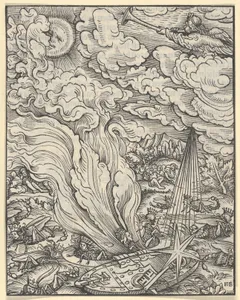
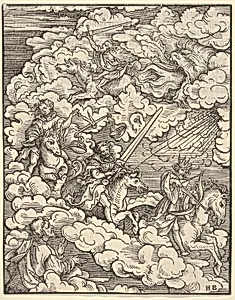
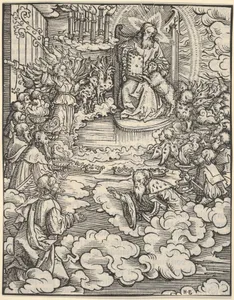
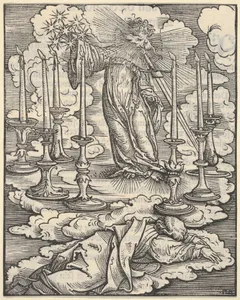
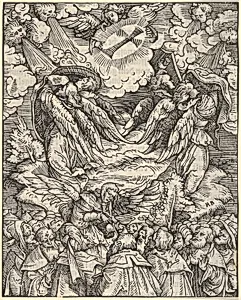
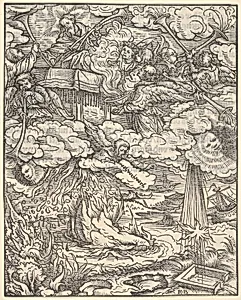
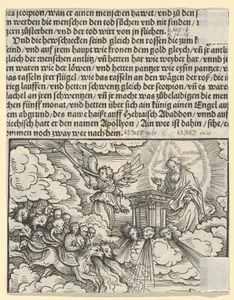
Burgkmair's oeuvre spans nearly 834 woodcuts, many as book illustrations, alongside paintings and portraits. He designed almost half of the 135 prints in Emperor Maximilian I's grandiose *Triumphs* (1508–1519), plus illustrations for *Weisskunig* and *Theuerdank*. Notable series include *People of Africa and India* (1508), advancing early ethnography, and *The Apocalypse* (1523–24), published by Augsburg printer Silvan Otmar. Paintings like the *Altarpiece of John the Evangelist* (1518, Alte Pinakothek, Munich) and portraits of Emperor Frederick III and Eleanor of Portugal showcase his portrait mastery, while his single etching, *Venus and Mercury* (c. 1520), highlights technical versatility.
Burgkmair's legacy endures in major collections in Munich, Vienna, and beyond, where his woodcuts revolutionized printmaking by prioritizing color and tone, paving the way for modern graphic arts. A devout Lutheran, he captured Augsburg's patrician elite and imperial splendor, bridging medieval woodcut traditions with Renaissance innovation until his death in 1531.