
Ctrl K
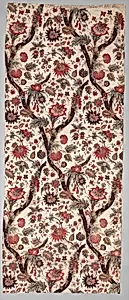
**Hartmann et Fils** was a prominent French textile manufactory based in Munster, Alsace, renowned for its high-quality printed cotton fabrics (indiennes) that blended industrial innovation with artistic design. Founded in 1818 by André Hartmann (1746–1837) together with his sons Frédéric and Henry, the firm built upon André’s earlier ventures in the region, which dated back to the late 18th century when he established and expanded cotton-printing operations employing over a thousand workers by 1800.
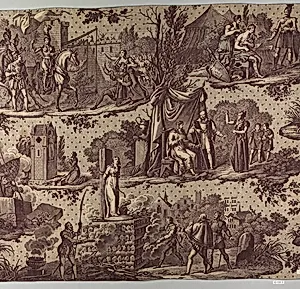
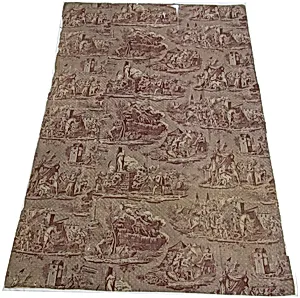
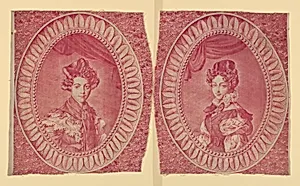
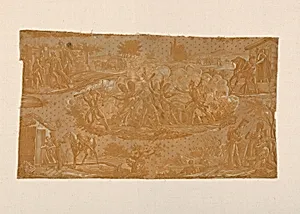
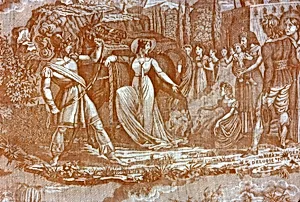
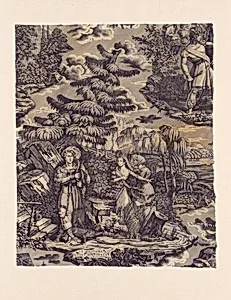
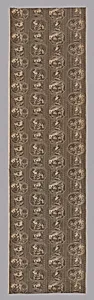
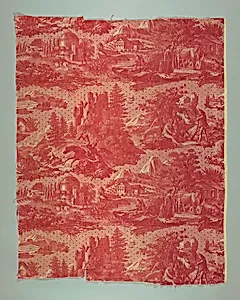
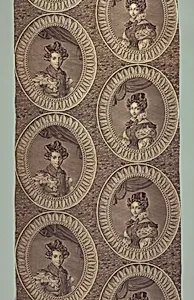
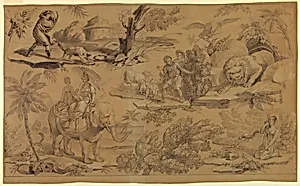
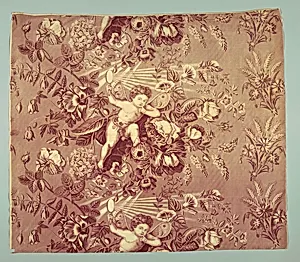
The manufactory operated in the tradition of Alsatian textile production, specializing in furnishing fabrics and decorative panels featuring intricate patterns, historical narratives, and floral motifs. Designers such as Jean François Grosjean and Charles Abraham Chasselat contributed cartoons and scenes, including depictions from the life of Joan of Arc (around 1817) and other Napoleonic-era subjects. These printed cottons were prized across Europe for their technical precision and aesthetic appeal, often produced using advanced engraving and dyeing techniques that reflected the era’s industrial advancements.
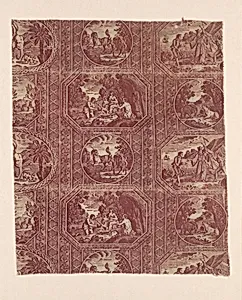
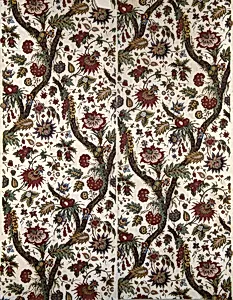
Major surviving works include a 1799 floral print and a ca. 1810–15 panel now in the Metropolitan Museum of Art, alongside other pieces held in institutions like the Art Institute of Chicago. The Hartmann family extended their influence beyond manufacturing as patrons of the arts and local benefactors, supporting infrastructure, education, and cultural initiatives in Munster while maintaining international commercial reach through depots in France and abroad.
The legacy of Hartmann et Fils endures through its role in elevating Alsatian textile arts during the Napoleonic and Restoration periods, with dozens of examples preserved in museum collections worldwide. The family’s industrial dynasty shaped the economic and cultural landscape of the Munster valley for generations, leaving a lasting imprint on French decorative arts and regional heritage.
![Sketches for scenes 1 and 2 of the cartoon for cotton printing: The History of Henry IV [L'Histoire de Henri IV]](https://images.artheonmuseum.org/smith/thumb/sketches-for-scenes-1-and-2-of-the-cartoon-for-smith-888521-0.webp)
![Preliminary study for cartoon for printed cotton: The History of Henry the IV [L'Histoire de Henri IV]](https://images.artheonmuseum.org/smith/thumb/preliminary-study-for-cartoon-for-printed-cotton-smith-888509-0.webp)
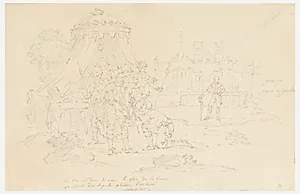
![Sketch for Scene 3 of cartoon for cotton printing:The History of Heny IV [L'Histoire de Henri IV]](https://images.artheonmuseum.org/smith/thumb/sketch-for-scene-3-of-cartoon-for-cotton-smith-888520-0.webp)
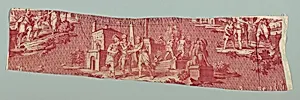
![Cartoon for Printed Textile: The History of Henri IV [L'Histoire de Henri IV]](https://images.artheonmuseum.org/smith/thumb/cartoon-for-printed-textile-the-history-of-henri-smith-888508-1.webp)
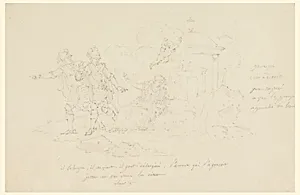
![Sketches for scene 1 and 2 of the cartoon for cotton printing: The History of Henry IV [L'Histoire de Henri IV]](https://images.artheonmuseum.org/smith/thumb/sketches-for-scene-1-and-2-of-the-cartoon-for-smith-888521-1.webp)
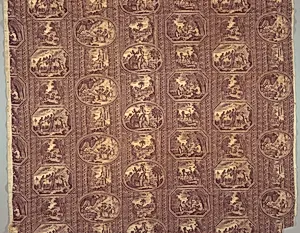
![Cartoon for Printed Cotton: The Four Elements [Les Quatre Elements]](https://images.artheonmuseum.org/smith/thumb/cartoon-for-printed-cotton-the-four-elements-les-smith-888513-0.webp)