Ctrl K
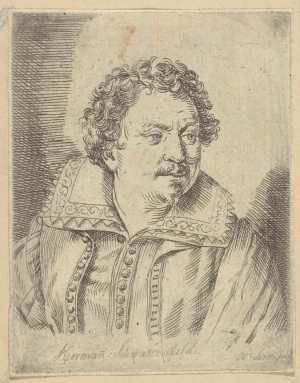
1603–1655
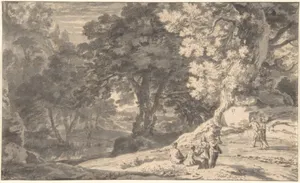
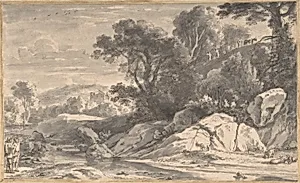
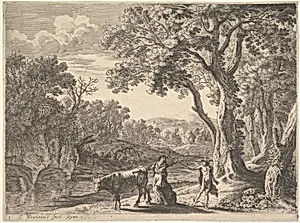
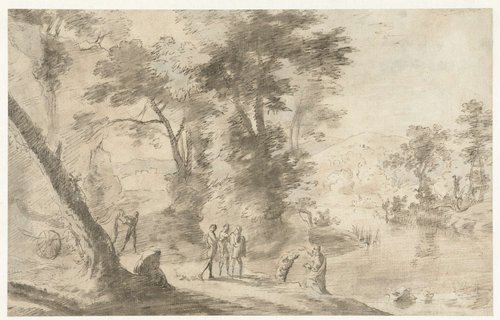
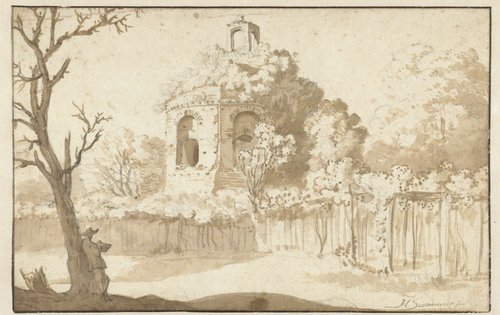
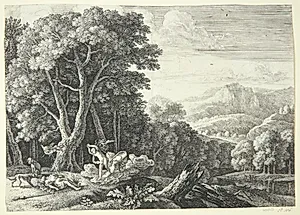
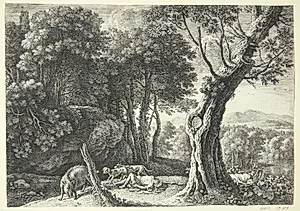
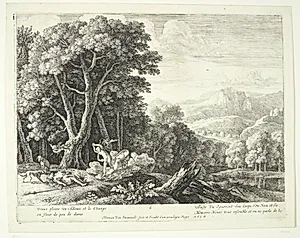
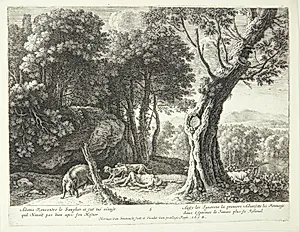
Herman van Swanevelt (1603–1655) was a leading Dutch Baroque painter, draughtsman, and etcher, celebrated for his luminous Italianate landscapes that bridged the classical ideals of Rome with the emerging naturalism of the Dutch Golden Age. Born in Woerden, near Utrecht, to a family of artisans whose lineage traced back to the renowned Lucas van Leyden, Swanevelt's early life and training remain sparsely documented, with no confirmed teacher identified despite stylistic suggestions of influence from Utrecht landscapists like Abraham Bloemaert. His earliest signed works, two views of Paris, date to 1623, marking his arrival in the French capital before he journeyed to Rome around 1629.
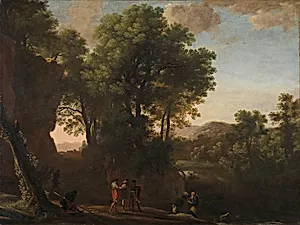
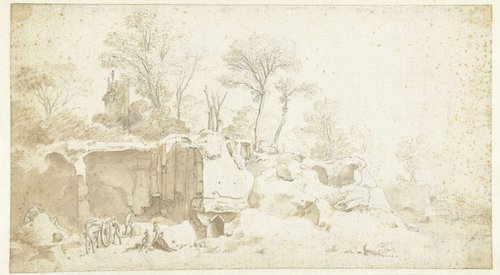
In Rome, Swanevelt immersed himself in the vibrant expatriate Dutch community, joining the Bentvueghels (Schildersbent)—a bohemian painters' guild where he earned the nickname "Heremiet" (Hermit)—and the Accademia di San Luca in 1634. Working independently, he crafted idyllic, sun-drenched landscapes featuring ancient ruins, contre-jour effects, and hazy atmospheres, evolving a refined style that linked earlier Italianates like Cornelis van Poelenburch and Bartholomeus Breenbergh to the next generation. Notable commissions included frescoes for the Palazzo Pamphilj and contributions to Philip IV of Spain's Buen Retiro Palace alongside Claude Lorrain and Nicolas Poussin. Key works from this period encompass *Roman Ruins with the Arch of Constantine* (1634, National Museum of Western Art, Tokyo) and *View of the Campo Vaccino* (c. 1631).
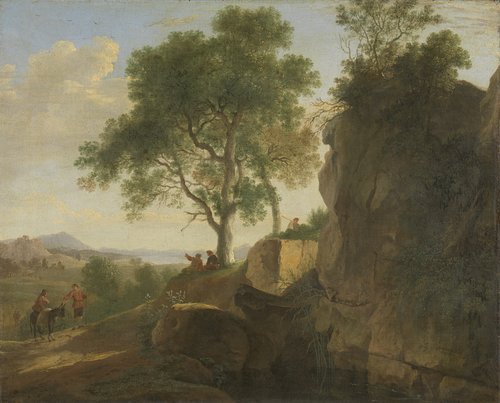
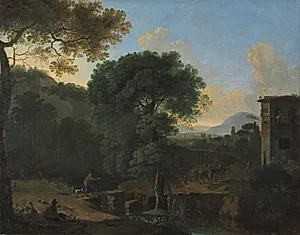
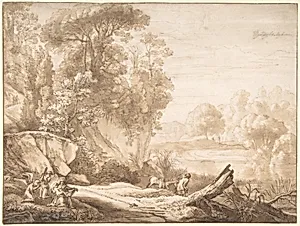
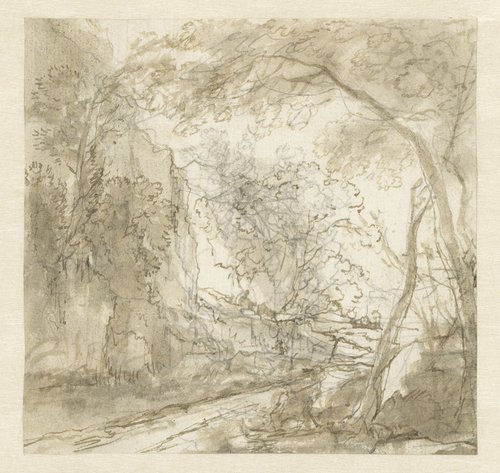
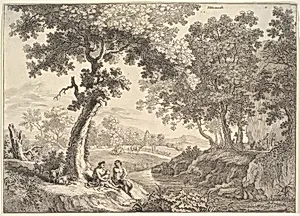
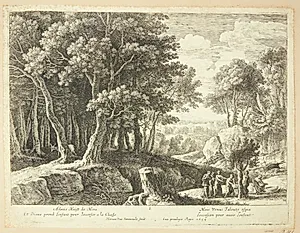
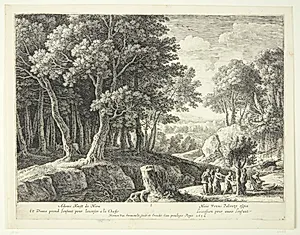
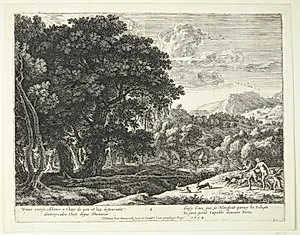
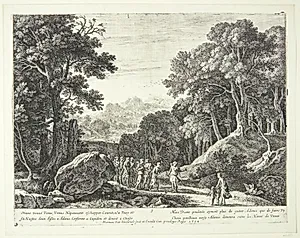
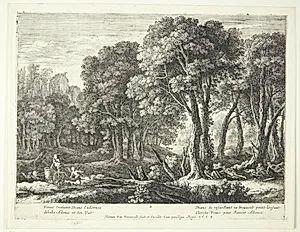
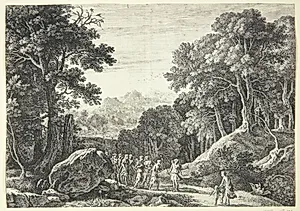
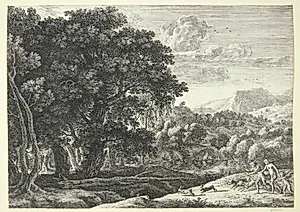
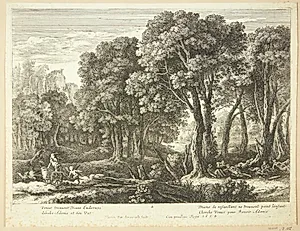
Returning to Paris in 1641 via Florence and Venice, Swanevelt settled there permanently (save brief visits to Woerden in 1648–1649), marrying the sister of fellow artist Jacques Rousseau and gaining French nationality. Appointed *peintre ordinaire du roi* to Louis XIV in 1644 and elected to the Académie Royale de Peinture et de Sculpture in 1651, he enjoyed patronage from Cardinal Richelieu and the crown, producing etched series (over 117 plates) and canvases like *The Arch of Constantine, Rome* (1645, Dulwich Picture Gallery), *Italian Landscape with Bridge* (c. 1645–1648, Dulwich), *Landscape with Tall Rocks* (1643, Rijksmuseum), and *Thunderstorm* (1649, NGV Melbourne).
Swanevelt's legacy endures as a pivotal figure in Italianate landscape painting, influencing artists like Jan Both, Nicolaes Berchem, and Jan Baptist Weenix through his monumental compositions and innovative light effects, which paralleled and sometimes anticipated Claude Lorrain's mastery. His works, blending northern precision with southern grandeur, remain staples in collections worldwide, exemplifying the cosmopolitan spirit of 17th-century Dutch art.