Ctrl K
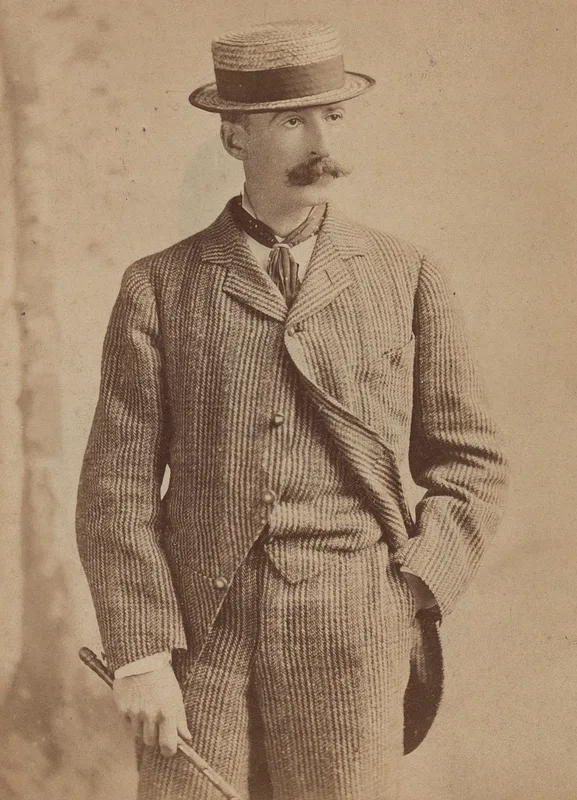
1836–1910
Movements
Occupations
Winslow Homer (1836-1910) was one of America's greatest painters and a preeminent figure in 19th-century American art. Largely self-taught, Homer began his career as a commercial illustrator and Civil War correspondent for Harper's Weekly before becoming renowned for his powerful marine subjects and landscape paintings. His mastery of both oil and watercolor, combined with his uncompromising realism and independence from European artistic conventions, established him as a defining voice of American art. Homer's works capture the essential relationship between humanity and nature, from his early Civil War illustrations and idyllic rural scenes to his late monumental seascapes painted in isolation at Prouts Neck, Maine.
Born February 24, 1836, in Boston, Massachusetts, into an old New England family. Moved to Cambridge at age six, where he enjoyed a happy rural childhood that would later inform his artistic vision.
At age 19, his father arranged an apprenticeship with John H. Bufford, a prominent commercial lithographer in Boston. Homer later described these two years (1854-1856) as merely a 'treadmill existence.'
After completing his apprenticeship in 1857, Homer opened his own studio in Boston and established a successful freelance career as a commercial illustrator, maintaining fierce independence throughout his career.
In 1859, Homer moved to New York, which remained his winter home until the 1880s. He briefly studied at the National Academy of Design and with Frederic Rondel, though he remained largely self-taught.
Homer began studying oil painting in spring 1861, just as the Civil War was beginning, marking his transition from illustrator to fine artist.
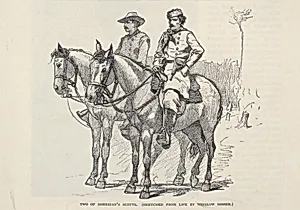
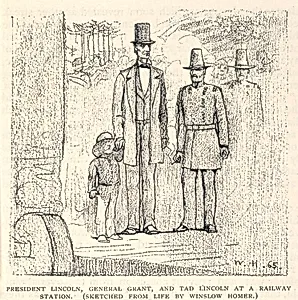
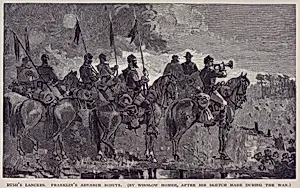
In October 1861, Harper's Weekly sent Homer to the front in Virginia as an artist-correspondent. He was one of about 30 artist-reporters embedded with Union troops, producing around 6,000 images during the war.
Instead of focusing solely on dramatic battlefield scenes, Homer depicted soldiers' everyday lives - celebrating Thanksgiving, playing football, living in barracks, and eating meals. He also illustrated less represented scenes of women as nurses and African-American teamsters.
His Civil War illustrations for Harper's Weekly are considered singular and outstanding examples of wartime reporting. Working with new reproduction technologies, Homer employed pictorial strategies to reassure readers his illustrations were eyewitness observations 'drawn on the spot.'
Homer's painting practice grew directly from his illustration experience. 'Sharpshooter on Picket Duty' (1862) became his first significant oil painting, exhibited at the National Academy of Design in 1863.
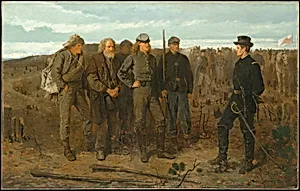
Between 1863-1866, he exhibited war-related paintings annually at the National Academy, including 'Home, Sweet Home' (1863) and 'Prisoners from the Front' (1866). The critical acclaim led to his election as full Academician in 1865.
Late in 1866, Homer began a ten-month sojourn in Paris and the French countryside, probably motivated by the chance to see two of his Civil War paintings at the Exposition Universelle.
In Paris, Homer discovered the Realist canvases of Gustave Courbet and Jean-François Millet, as well as the rising fascination with Japonism. However, he maintained independence from European styles, developing an approach closer to Manet than Monet.
Though his interest in depicting natural light paralleled the early Impressionists, Homer had already evolved as a plein-air painter in America with a distinctly personal style devoted to American subjects.
During this period, Homer painted idyllic rural scenes including the iconic 'Snap the Whip' (1872), depicting children playing in front of a schoolhouse. The painting was exhibited at the 1876 Centennial Exposition.
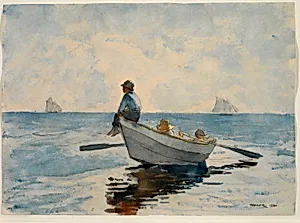
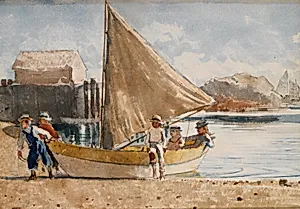
In 1873, Homer began working extensively in watercolor, which allowed him to make rapid, fresh observations of nature. In this demanding medium, he explored new artistic problems that invigorated his oil paintings.
From the late 1870s, Homer devoted his summers exclusively to painting from nature in watercolor. Greater concern for atmospheric effects and reflected light added complexity while achieving greater pictorial unity.
An 1873 visit to Gloucester, Massachusetts, inspired 'Breezing Up (A Fair Wind)' (1873-76), an optimistic image of men and boys at sea. Over three years, Homer refined the composition, giving control of the rudder to a boy and adding an anchor symbolizing hope. It became one of his most iconic American paintings.
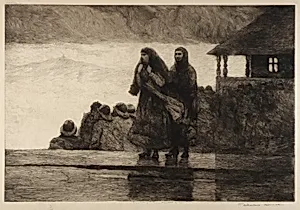
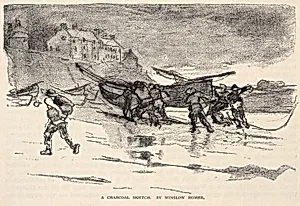
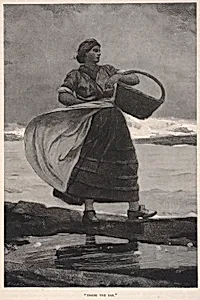
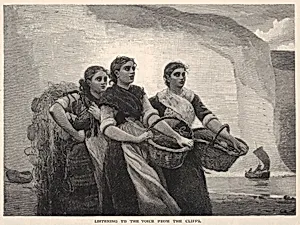
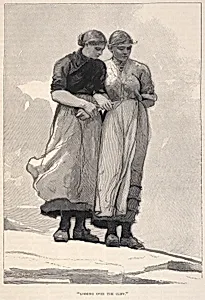
In 1881-82, Homer lived on the east coast of England in Cullercoats, where he was profoundly influenced by the lives of those whose livelihood depended upon the sea. He painted powerful watercolors of storms and shipwrecks that proved incredibly popular when exhibited in Boston and New York.
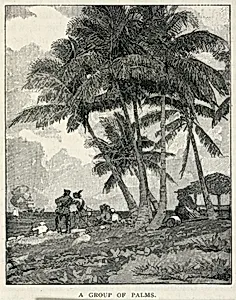
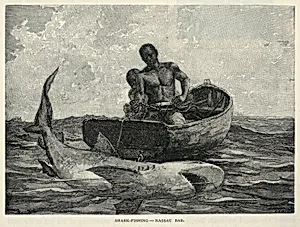
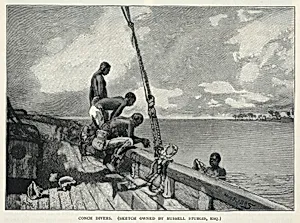
During Caribbean trips, Homer used watercolor to capture brilliant tropical light, sparkling blue water, dramatic weather changes, and verdant foliage. The medium proved ideal for representing these dynamic subjects.
Homer's watercolors varied from highly detailed works to broadly impressionistic pieces. He applied paint to dry surfaces creating sparkling effects, and preserved white paper or used opaque white gouache to capture the brightest light points.
In 1884, Homer moved to Prouts Neck, Maine, spending the next three decades there while traveling to warmer climates during harsh winters. He enjoyed the isolation, finding inspiration in privacy and silence to paint the great themes of his career.
His Prouts Neck period was exceptionally prolific. Fifteen paintings from this time were exhibited at the 1893 Chicago Exhibition, where he won a gold medal.
During the mid-1880s, Homer painted monumental sea scenes including 'Undertow' (1886), depicting the dramatic rescue of two female bathers by lifeguards, and 'Eight Bells' (1886). Other notable works include 'Banks Fisherman,' 'Rum Cay,' and 'The Fox Hunt' (1893).
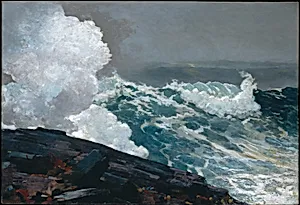
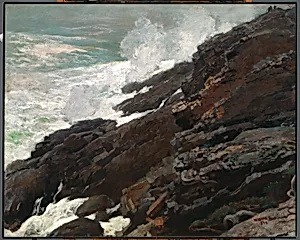
In ambitious 1880s works, men challenged the ocean's power with strength and cunning. By 1890, Homer abandoned narrative to concentrate on the beauty, force, and drama of the sea itself, capturing the look, feel, and even sound of masses of water in dynamic compositions.
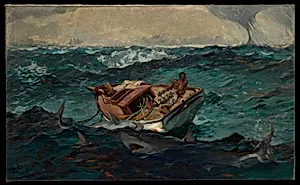
Homer painted 'The Gulf Stream' (1899, reworked by 1906), showing a Black sailor adrift surrounded by sharks and an impending maelstrom. Developed over twenty years, it became one of his most complicated and consequential works - an allegory of human endurance and commentary on racial politics and American imperialism.
Homer died September 29, 1910, at age 74 in his Prouts Neck studio. His painting 'Shooting the Rapids, Saguenay River' remained unfinished. He was interred in Mount Auburn Cemetery, Cambridge, Massachusetts.
Artheon Research Team
Last updated: 2025-11-28
Biography length: ~1,150 words
Wikidata/Wikimedia Commons