
Realism
1840s-1880s
Realism sought to depict subjects truthfully, without artificiality, focusing on ordinary people and everyday scenes rather than idealized or romanticized subjects.
Historical Context
Realism emerged in France after the 1848 Revolution, as artists rejected Romanticism and academic art. They sought to depict contemporary life truthfully, often focusing on working-class subjects and social issues.
Key Characteristics
- •Accurate depiction of contemporary life
- •Focus on ordinary people and working class
- •Rejection of idealization and romanticism
- •Emphasis on social issues and everyday scenes
- •Naturalistic representation
Notable Realism Artists

Hogarth, William
1697–1764

Fantin-Latour, Henri
1836–1904

Millet, Jean-François
1814–1875

Eakins, Thomas
1844–1916

Courbet, Gustave
1819–1877

Remington, Frederic
1861–1909

Bonheur, Rosa
1822–1899

Stevens, Alfred
1823–1906

Marcke de Lummen, Emile van
1827–1890
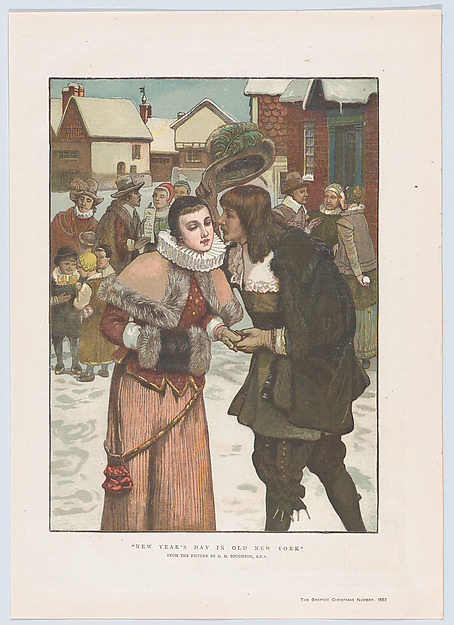
Boughton, George Henry
1833–1905

Falguière, Jean Alexandre Joseph
1831–1900
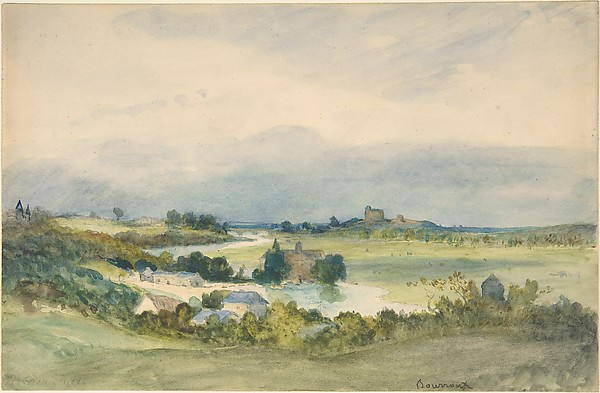
Chintreuil, Antoine
1814–1873
Realism Artworks
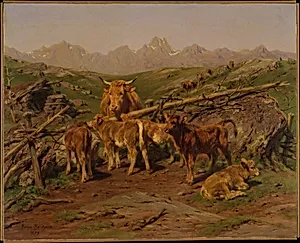
Weaning the Calves
Rosa Bonheur
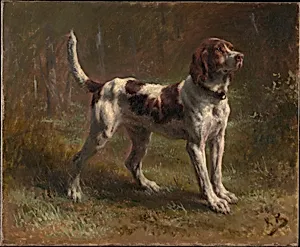
A Limier Briquet Hound
Rosa Bonheur

The Horse Fair
Rosa Bonheur

River and Rocks
Gustave Courbet
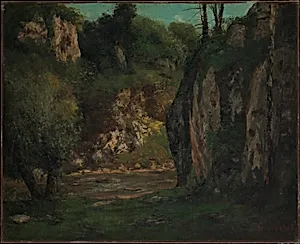
The Hidden Brook
Gustave Courbet
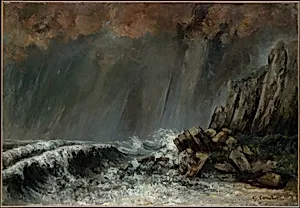
Marine: The Waterspout
Gustave Courbet
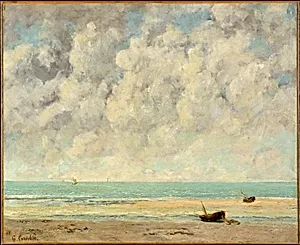
The Calm Sea
Gustave Courbet
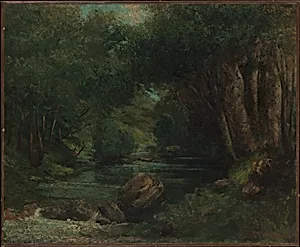
A Brook in the Forest
Gustave Courbet
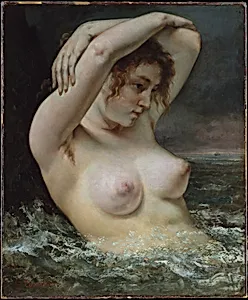
The Woman in the Waves
Gustave Courbet
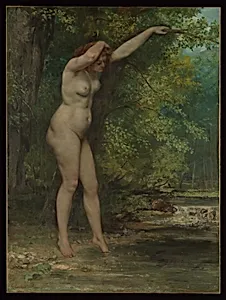
The Young Bather
Gustave Courbet

Woman with a Parrot
Gustave Courbet
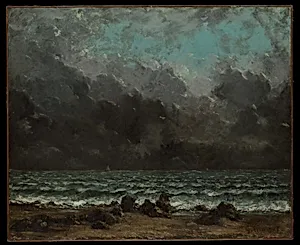
The Sea
Gustave Courbet
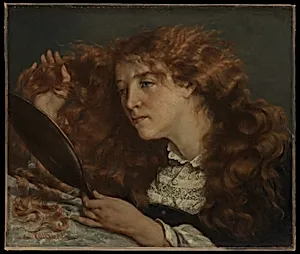
Jo, La Belle Irlandaise
Gustave Courbet

The Fishing Boat
Gustave Courbet
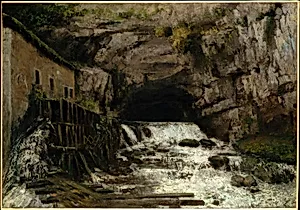
The Source of the Loue
Gustave Courbet
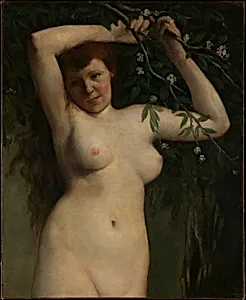
Nude with Flowering Branch
Gustave Courbet
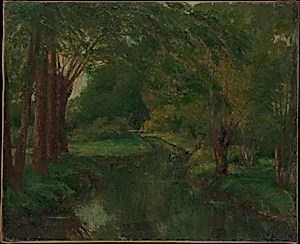
A Brook in a Clearing (possibly "Brook, Valley of Fontcouverte; Study")
Gustave Courbet
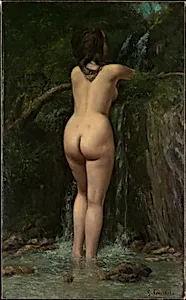
The Source
Gustave Courbet

Monsieur Suisse
Gustave Courbet
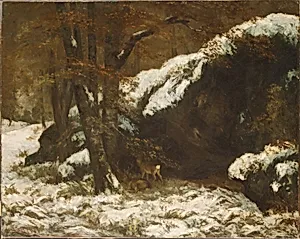
The Deer
Gustave Courbet
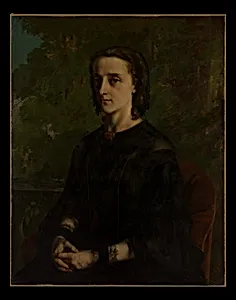
Madame Frederic Breyer (Fanny Hélène Van Bruyssel, 1830–1894)
Gustave Courbet
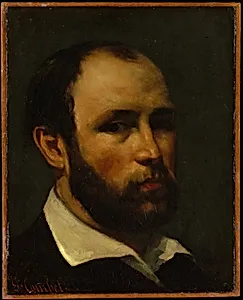
Portrait of a Man
Gustave Courbet
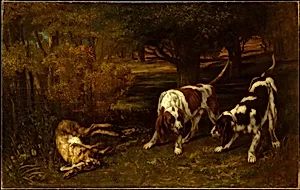
Hunting Dogs with Dead Hare
Gustave Courbet
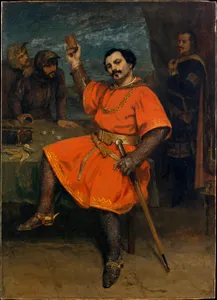
Louis Gueymard (1822–1880) as Robert le Diable
Gustave Courbet