Ctrl K
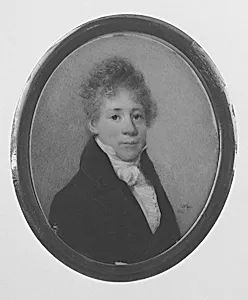
1749–1825
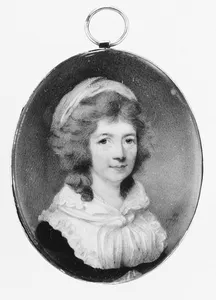
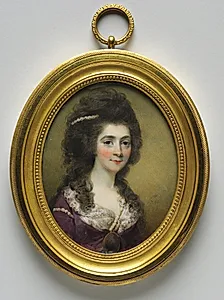
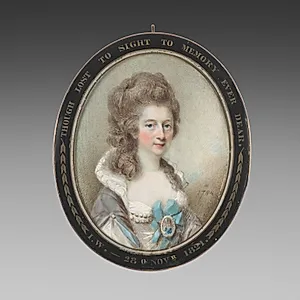
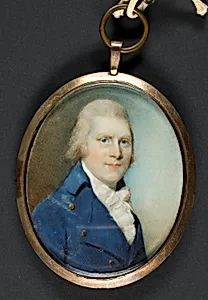
Horace Hone (1754–1825) was an English painter renowned for his miniature portraits. Born on 11 February 1754 in Frith Street, London, he was the eldest son of the prominent miniaturist Nathaniel Hone and Mary Hone (née Earle). His father provided his initial artistic training, and Hone later entered the Royal Academy Schools in 1770. He first exhibited at the Royal Academy in 1772 and was elected an Associate in 1779. His brother, John Camillus Hone, also pursued a career as an artist.
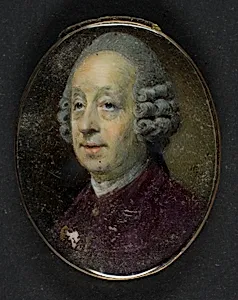
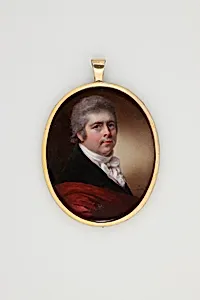
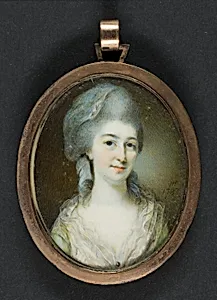
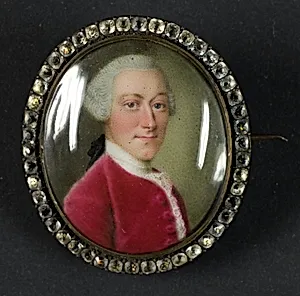
Hone specialized in delicate watercolour miniatures, occasionally working in enamel and producing engravings. He gained recognition as a society portraitist, capturing the likenesses of notable figures. From 1782 to 1804, he lived and worked primarily in Dublin, invited there by the Countess Temple during her husband’s tenure as viceroy. During this period, he painted many prominent Irish individuals, including the 1st Earl of Charlemont, Lord Edward Fitzgerald, the 2nd Duke of Leinster, and the 4th Duke of Rutland, as well as the actress Mrs. Siddons in 1784. In 1795, he was appointed miniature painter to the Prince of Wales. He maintained connections with fellow miniaturists, such as Sampson Towgood Roch, while residing on Capel Street.
After the Act of Union diminished his Dublin practice, Hone relocated to Bath in 1804 and later established a studio in Dover Street, London. He continued exhibiting at the Royal Academy until 1822. In his later years, he faced mental health challenges and financial difficulties, successfully applying for a Royal Academy pension in 1820. Hone died on 25 May 1825 in London from complications related to gout and was buried at St George’s Chapel on Bayswater Road. His works, including portraits of figures like Anne, Countess of Clare and Frederica, Duchess of York, are held in major collections, reflecting his lasting contribution to British miniature painting.
Hone’s career bridged the vibrant artistic circles of London and Dublin, leaving a legacy as a skilled chronicler of 18th- and early 19th-century society through his intimate and precise miniatures. His family ties to the artistic Hone dynasty further underscore his place within British art history.