Ctrl K
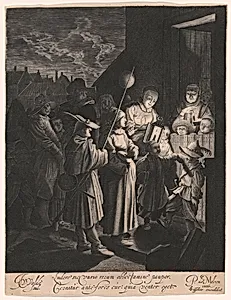
1593–1641
Jan van de Velde II (1593–1641) was a Dutch Golden Age printmaker and engraver whose work represents one of the high points of early seventeenth-century Dutch graphic art. Son of the calligrapher Jan van de Velde I, he was born in Delft and trained as an engraver, likely under or in close contact with the Haarlem printmaking tradition that was producing some of the most ambitious graphic work in Europe. He became deeply associated with Haarlem, where he spent much of his career.
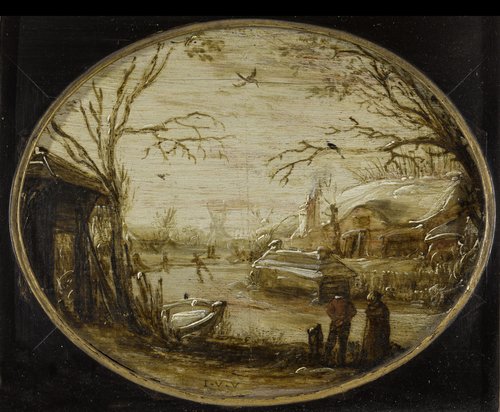
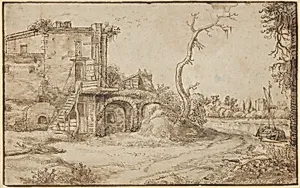
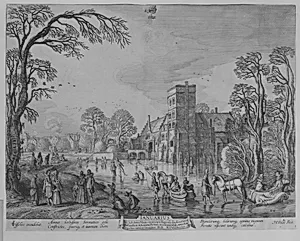
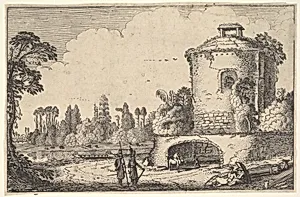
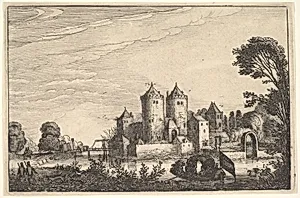
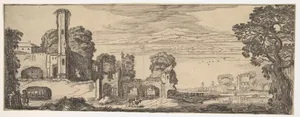
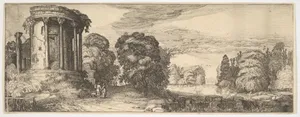
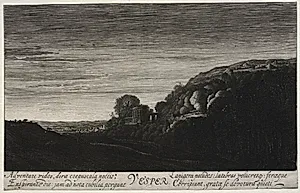
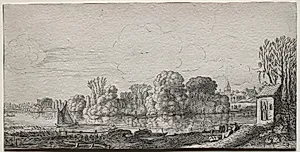
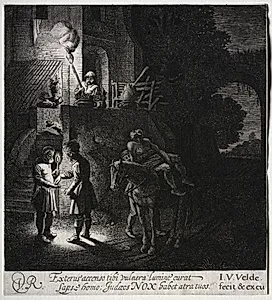
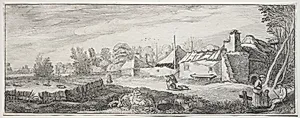
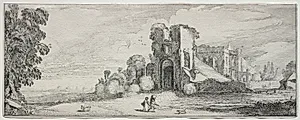
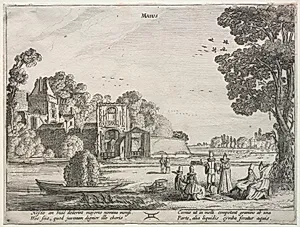
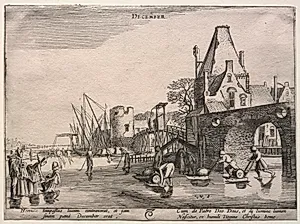
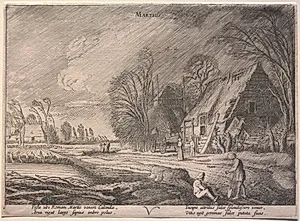
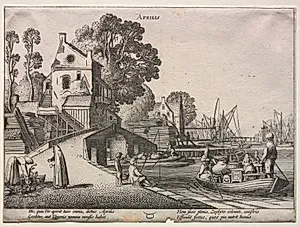
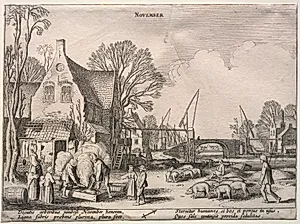
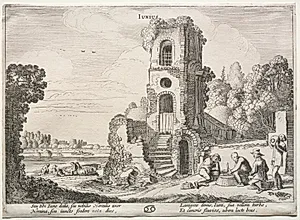
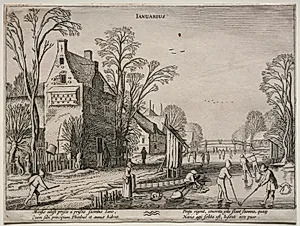
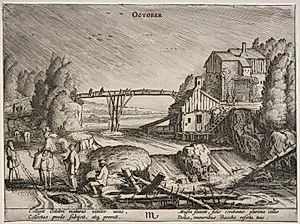
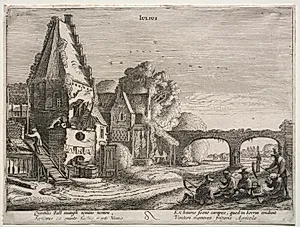
Van de Velde's prints are distinguished by their technical virtuosity, their luminous treatment of light and atmosphere, and their range of subject matter. He produced landscape prints of great subtlety, capturing the flat Dutch countryside with its broad skies and shifting weather with a sensitivity that anticipates the later achievements of Dutch landscape painting. He also engraved still lifes, genre scenes, and series of months and seasons, contributing to the encyclopedic ambition that characterized much Dutch printmaking of the period. Many of his prints were made after his own compositions rather than after paintings by other artists, establishing him as a designer of genuine invention.
He worked with leading publishers in Haarlem and Amsterdam and his prints circulated widely, influencing artists across the Netherlands and beyond. His collaboration with painters such as Willem Claesz. Heda — whose austere breakfast still lifes he translated into print — helped disseminate the distinctive visual culture of the Dutch Republic to international audiences.
Van de Velde II died relatively young, but his output was substantial. His prints are held in major collections of works on paper worldwide and are prized by specialists as exemplary achievements of the Dutch Golden Age graphic tradition.