Ctrl K
1904–1995
Isadore Goldberg (b. 1904), an American artist, gained recognition through his contributions to the Index of American Design, a New Deal-era initiative under the Works Progress Administration's Federal Art Project. Active primarily in the late 1930s and early 1940s, Goldberg produced meticulous renderings of everyday American objects, capturing the essence of folk craftsmanship during a time when documenting national material culture was a priority. His early life and formal training remain not well documented, with no records of specific art schools, teachers, or mentors identified in available sources.
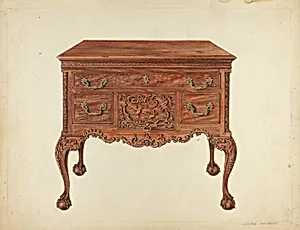
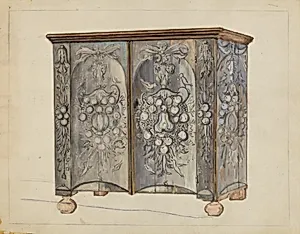
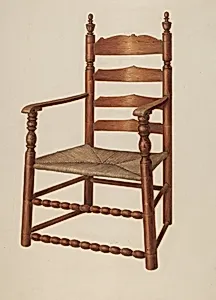
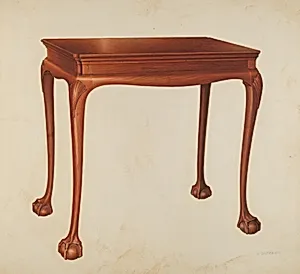
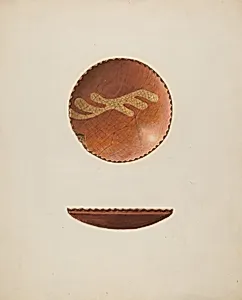
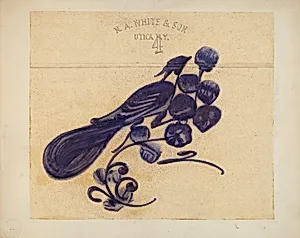
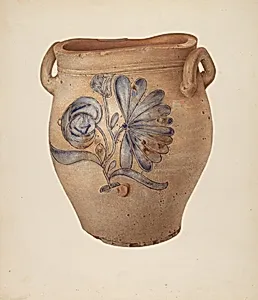
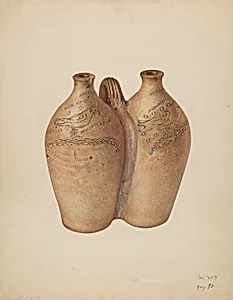
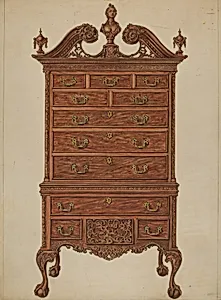
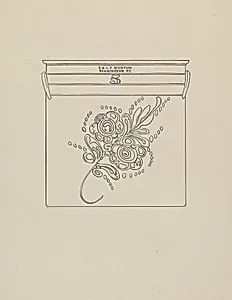
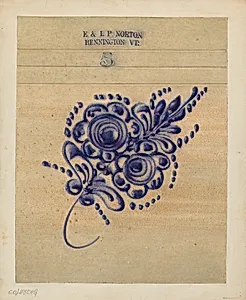
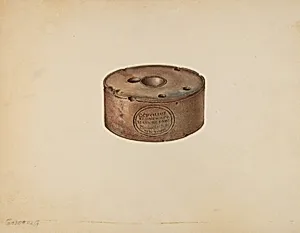
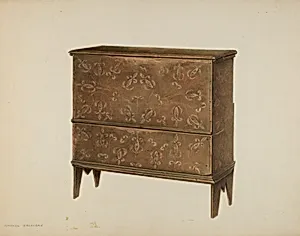
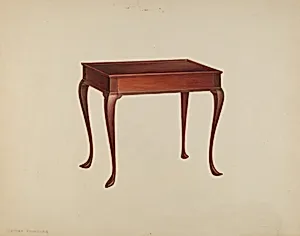
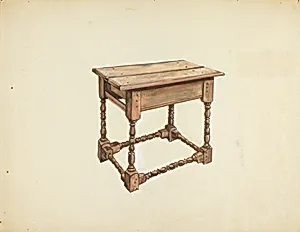
Goldberg's artistic style was characterized by precise realism, employing watercolor, graphite, colored pencil, pen and ink, and occasionally gouache on paperboard to highlight form, texture, pattern, and function in colonial and vernacular furnishings. He worked within the documentary tradition of the Index of American Design, which sought to celebrate regional crafts amid the Great Depression. Collaborating occasionally with artists like John Tarantino and Ernest Busenbark, Goldberg rendered subjects with technical accuracy, evoking the tactile qualities of wood grains, metal patinas, and ceramic glazes.
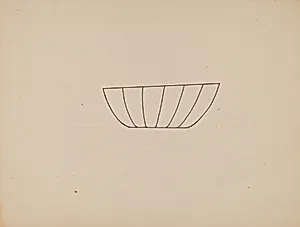
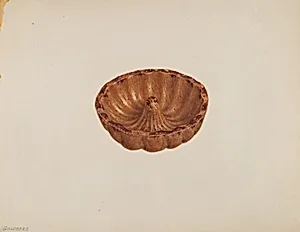
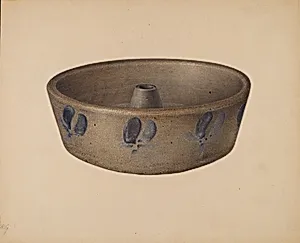
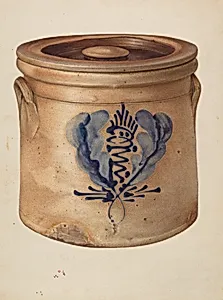
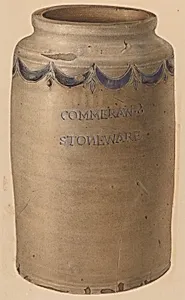
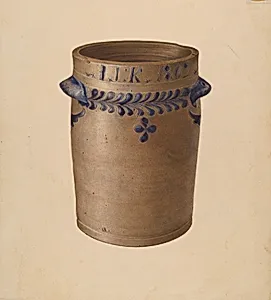
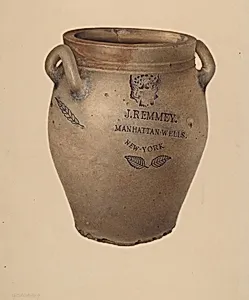
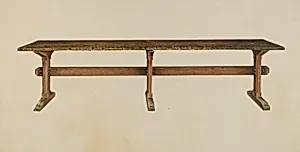
Among his major works preserved in the National Gallery of Art's collection of over 40 pieces are *Highboy* (1935/1942 and c. 1940), *Lowboy* (c. 1938), *Trestle Table* (c. 1939), *Tea Table* (c. 1939), *Armchair* (1941), *Crock with Cover* (c. 1940), and *“Turk’s Head” Mold* (c. 1940). These drawings meticulously depict high chests, side tables, jars, inkwells, and molds, often focusing on New England or Mid-Atlantic antiques.
Goldberg's legacy endures through the Index portfolio, now a vital resource for scholars of American decorative arts. His illustrations preserve vanishing traditions of craftsmanship, bridging art and history by making the utilitarian beautiful and accessible. Though lesser-known outside institutional collections, his oeuvre underscores the WPA's role in sustaining artists while fostering cultural nationalism.