Ctrl K
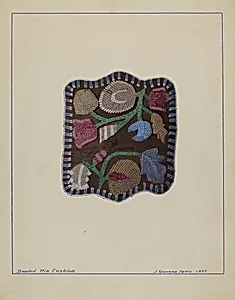
John Howard Iams (1897–1964) was an American artist and self-described artist-historian whose passion for the regional past of southwestern Pennsylvania shaped one of the most distinctive careers to emerge from the Federal Art Project era. Born in Amwell Township, Washington County, Pennsylvania, Iams grew up in the North Ten Mile region near the border of Greene County, a landscape steeped in colonial and frontier history. He honed his skills by studying in New York and at what is now Carnegie Mellon University in Pittsburgh before returning to document the world he had grown up in.
In the 1930s, Iams embarked on an intensive research and illustration project with his brother Lash, traveling throughout the region to record remnants of its colonial past in drawings and paintings. The most ambitious result of this work was a series of forty illustrations documenting the sites, events, and people of the Whiskey Rebellion — the 1794 uprising against federal excise taxes that convulsed the western Pennsylvania frontier — a project on which Iams labored for five years. These illustrations combined historical research with observational drawing to produce a vivid visual chronicle of a pivotal moment in early American history.
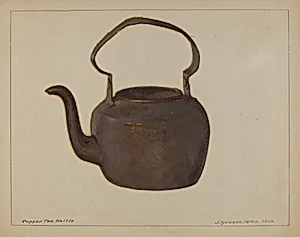
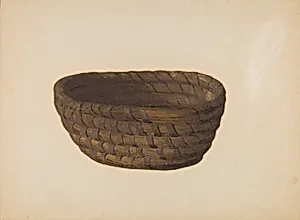
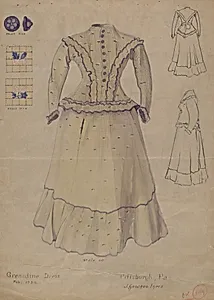
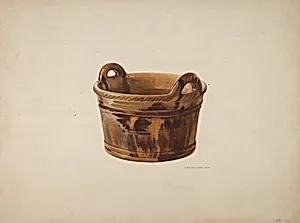
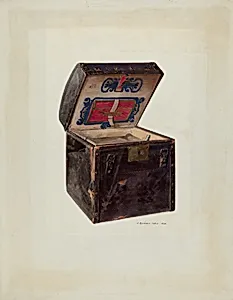
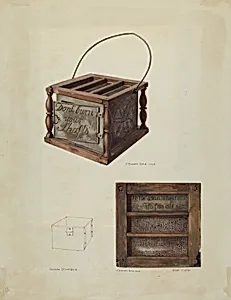
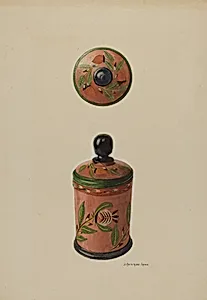
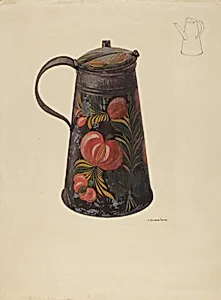
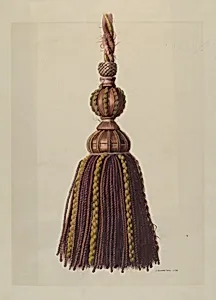
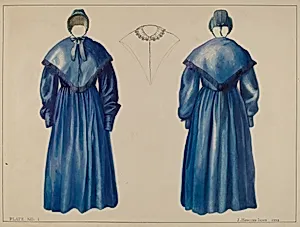
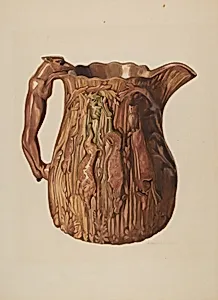
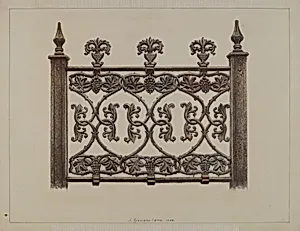
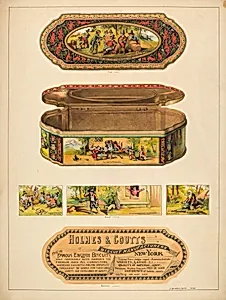
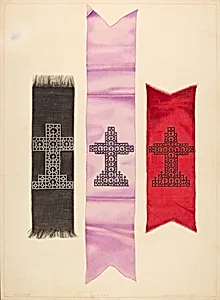
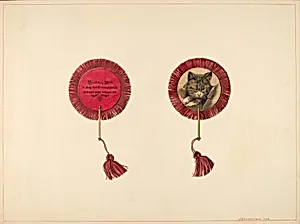
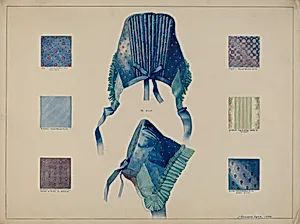
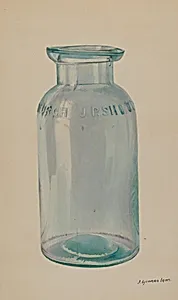
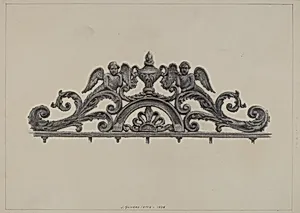
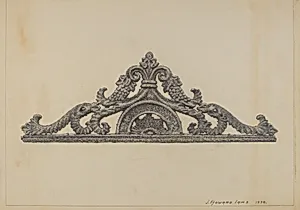
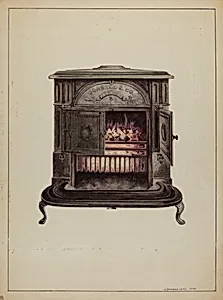
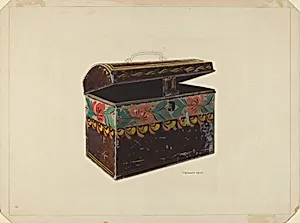
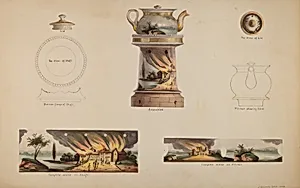
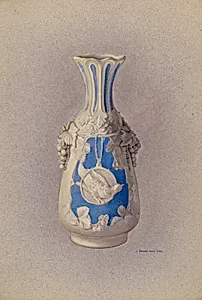
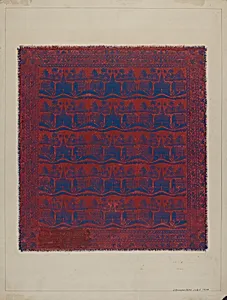
Iams also contributed to the Index of American Design, the WPA's national survey of American decorative arts, producing detailed watercolor and graphite renderings of Pennsylvania German objects between 1938 and 1939. Works such as a Pa. German Saffron Box, Foot Warmer, and Coffee Can exemplify the meticulous attention to material form that the Index required. His contributions are preserved in the collection of the National Gallery of Art.
Iams worked across landscape, genre, figure, and still life, and was active in both Pennsylvania and Ohio throughout his career. His dual identity as artist and historian gave his work an unusual depth of purpose, linking close observation of objects and places to a sustained effort to preserve and interpret the cultural memory of his home region.