Ctrl K
1551–1640
**Jacopo da Empoli (Jacopo Chimenti)** was an Italian painter born on 30 April 1551 in Florence and who died there on 30 September 1640. He became known by the name of his father’s birthplace, Empoli, and worked primarily in his native city as a leading figure in the Florentine Reformist or Counter-Mannerist movement.
He apprenticed under Maso da San Friano and drew inspiration from earlier Mannerist masters such as Andrea del Sarto, Fra Bartolomeo, and Jacopo Pontormo. His style favored clarity, balanced compositions, and a more restrained approach than the exaggerated forms of earlier Mannerism, aligning him with contemporaries like Santi di Tito. He collaborated on projects with Alessandro Tiarini and maintained close ties to the artistic traditions of Florence. His younger brother, Domenico Chimenti, also pursued a career as a painter.
Jacopo’s output spanned religious subjects, history paintings, and, especially after the 1620s, a notable series of still lifes. Among his documented works are the *Madonna in Glory with Saint Luke and Saint Ives* (1579, Louvre), *Sacrifice of Isaac* (1590s, Uffizi), *Susanna and the Elders* (1600, Kunsthistorisches Museum), *Sant’Eligio* (1614, Uffizi), and *Judgement of Midas* (1624, Pistoia). He also created the *Michelangelo presents his model of San Lorenzo to Leo X* (1617–1619, Casa Buonarroti) and several still lifes featuring game, pantry items, and pottery, including dated examples from 1624 and 1626.
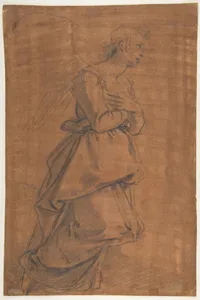
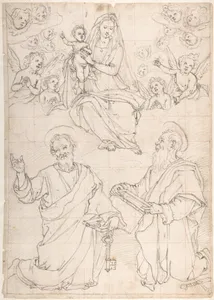
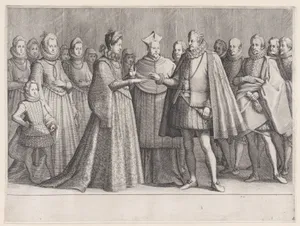
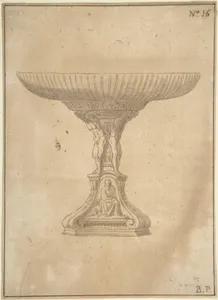
A respected teacher, Jacopo trained numerous pupils, including Felice Ficherelli, Giovanni Battista Vanni, and others who carried forward elements of his measured, reformist approach. His legacy lies in bridging late Mannerism and the emerging Baroque sensibilities in Florence, particularly through his crisp draftsmanship and pioneering still-life production in a city where such subjects were less common. Four of his works are represented in the museum’s collection, underscoring his enduring place in Florentine art history.