Ctrl K
1855
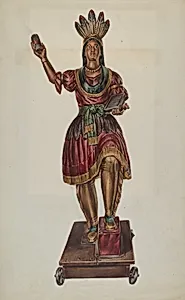
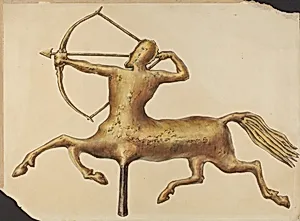
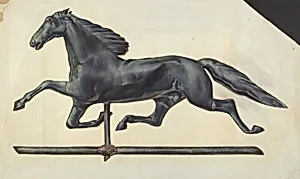
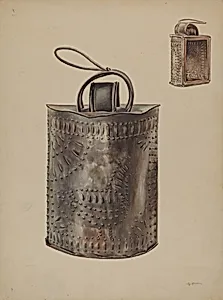
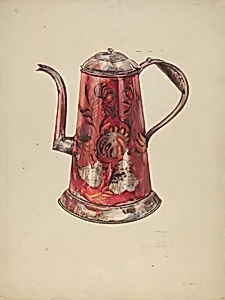
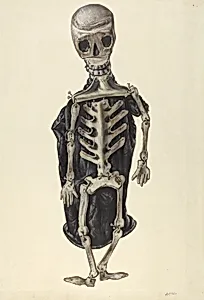
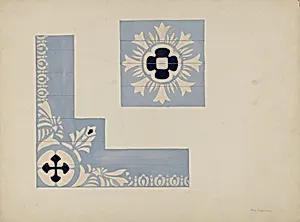
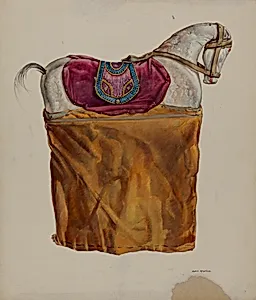
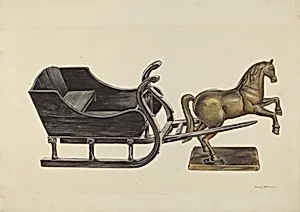
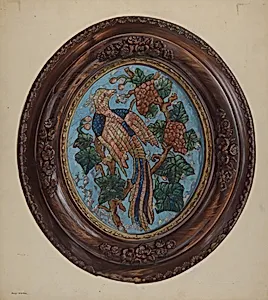
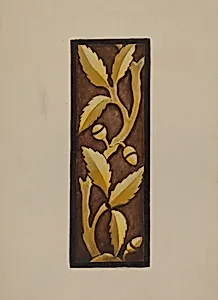
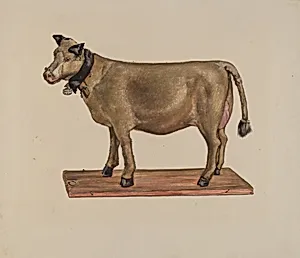
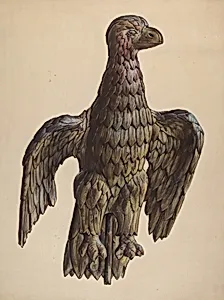
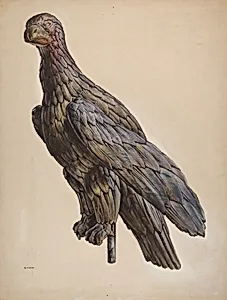
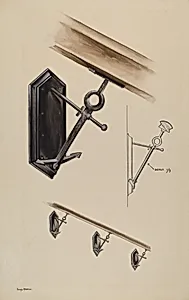
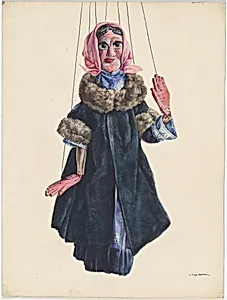
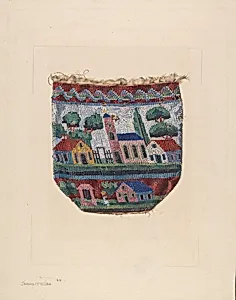
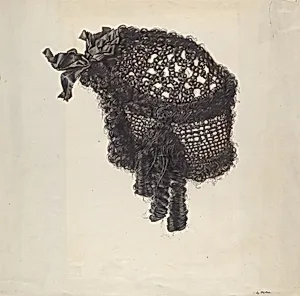
James McLellan was an American artist active during the late 1930s, best known for his contributions to the Index of American Design (IAD), a New Deal-era Federal Art Project under the Works Progress Administration (WPA). Launched in 1935, the IAD commissioned artists across the United States to create precise watercolor renderings of everyday folk art and decorative objects, preserving a visual record of America's vernacular material culture before it vanished. McLellan's works, executed primarily in watercolor, gouache, graphite, pen and ink, and colored pencil on paper or paperboard, capture the intricate details of carved figures, weathervanes, lamps, and textiles with meticulous realism.
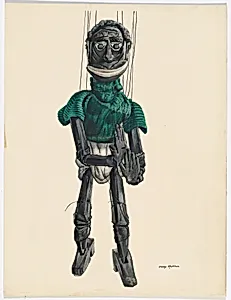
Little is known about McLellan's early life or formal training, as biographical details remain scarce. His documented activity centers on the IAD from approximately 1935 to 1939, during which he produced dozens of studies that reflect the project's emphasis on regional craftsmanship. Working in a documentary style aligned with the IAD tradition, McLellan rendered subjects with technical precision, highlighting textures, colors, and forms to evoke the handmade charm of American folk art—from whimsical marionettes to functional household items. The National Gallery of Art holds 27 of his IAD plates, forming a significant portion of his surviving oeuvre.
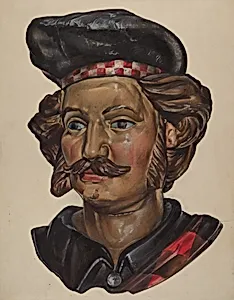
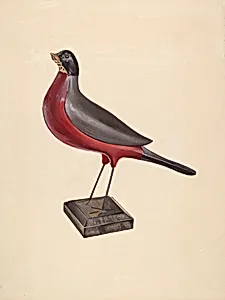
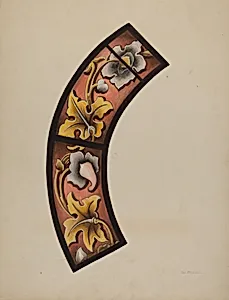
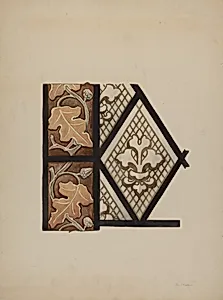
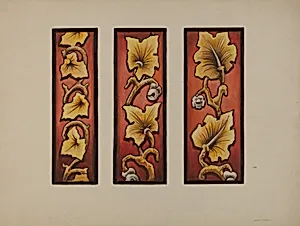
Among his standout works are *Cigar Store Indian* (c. 1939), a vibrant depiction of the iconic tobacco figure; *Centaur Weather Vane* (c. 1938), showcasing dynamic sheet metal sculpture; *Judge Oscar O. Death* (c. 1938), a carved wooden portrait; and *Painted Glass Window* (c. 1937), illustrating colorful decorative panels. Others include *Carved Wood Robin* (c. 1937), *Wooden Scotchman* (c. 1937), and *Storm Lamp* (c. 1938), each a testament to his skill in translating three-dimensional folk objects into two-dimensional art.
McLellan's legacy endures through the IAD's enduring influence on American art history. His renderings helped democratize appreciation for folk traditions, influencing later scholarship and museum displays. By archiving ephemeral crafts like cigar store figures and hand-painted glass, he bridged everyday Americana with fine art, ensuring these artifacts' stories persist in collections like the National Gallery of Art.