Ctrl K
1779–1859
Occupations
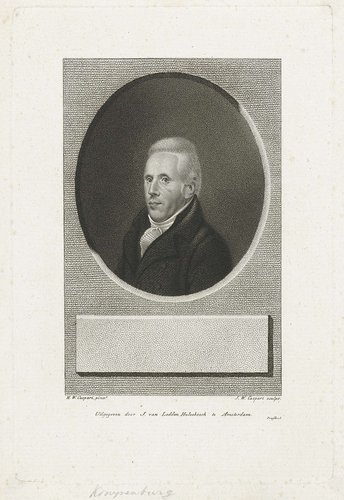
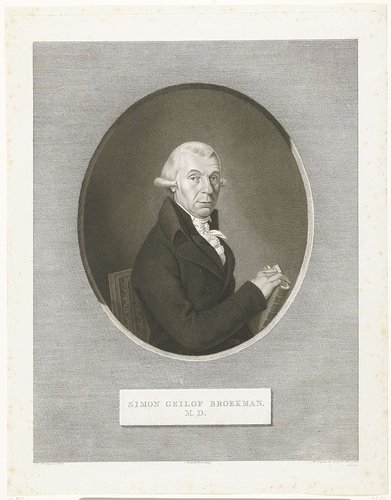
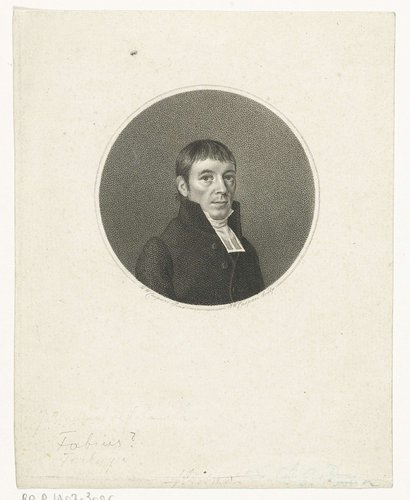
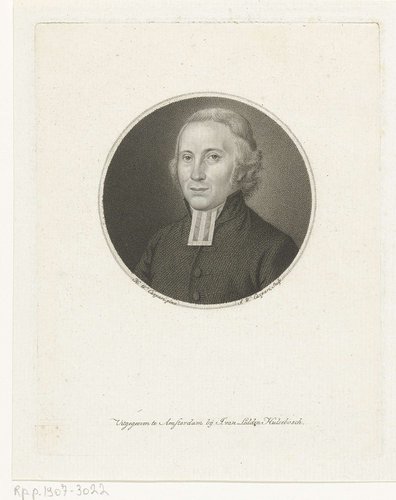
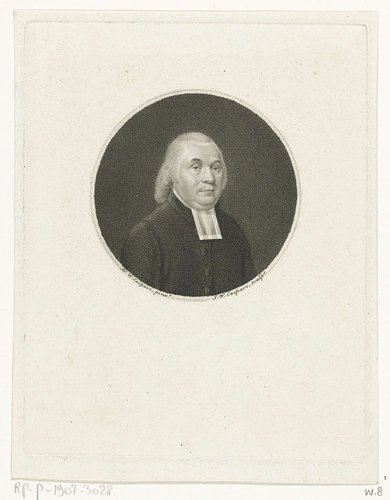
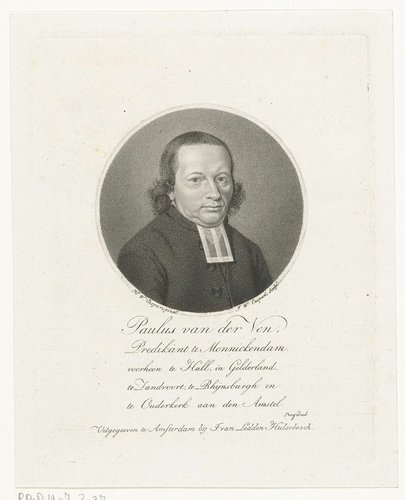
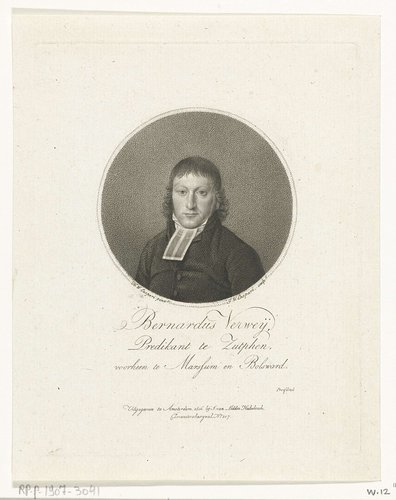
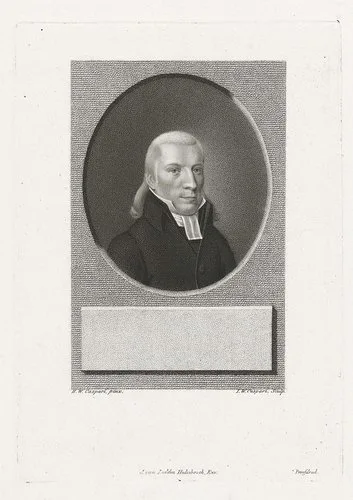
Jan Willem Caspari (1779–1822) was a Dutch painter, engraver, and draftsman working in Amsterdam during the early nineteenth century, a period of political upheaval and artistic transition in the Netherlands. Though historical records contain some confusion regarding his dates—with some sources listing 1859 as a death year—the weight of evidence suggests he died in 1822 at the relatively young age of forty-three. Coming from an artistic family (his brother Hendrik Willem Caspari was also a painter, draftsman, and engraver), Jan Willem contributed to the continued Dutch tradition of printmaking and drawing during the post-Golden Age period.
Jan Willem Caspari was born on November 25, 1779, in Amsterdam, into a family with artistic connections. His brother, Hendrik Willem Caspari (1770–1829), was a painter, draftsman, and engraver of German descent (born in Wesel am Rhein), and the two brothers likely shared training and professional connections within Amsterdam's artistic community.
Caspari worked during a tumultuous period in Dutch history. The Netherlands had experienced French occupation during the Revolutionary and Napoleonic periods (1795–1813), followed by the establishment of the United Kingdom of the Netherlands in 1815. These political changes affected artistic patronage, markets, and cultural identity. Dutch artists of this generation navigated between older Dutch artistic traditions and new influences from French art and contemporary European movements.
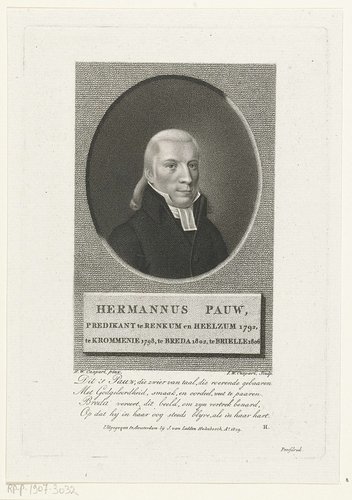
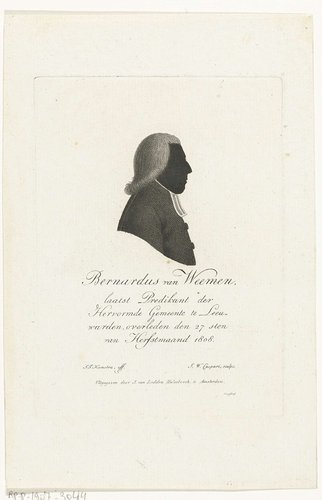
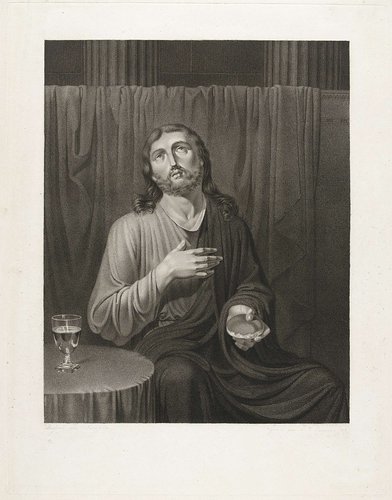
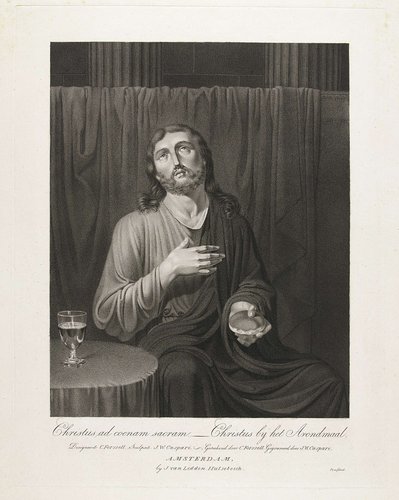
As a painter, engraver, and draftsman, Caspari would have worked in multiple media serving different purposes and markets. Painting provided opportunities for commissioned works and exhibition pieces. Engraving allowed for the creation of reproducible images—portraits, views, illustrations—that reached broader audiences and generated income through sales of prints. Drawing served as fundamental practice, preparation for works in other media, and an art form in its own right for collectors of works on paper.
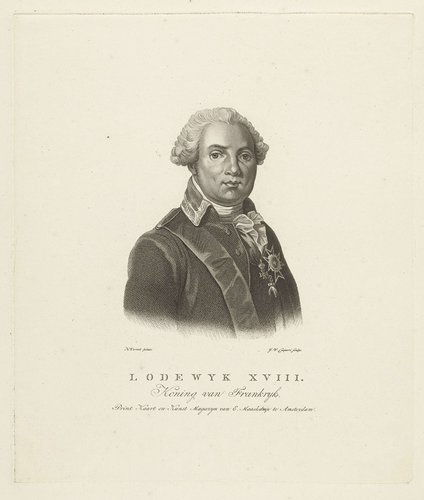
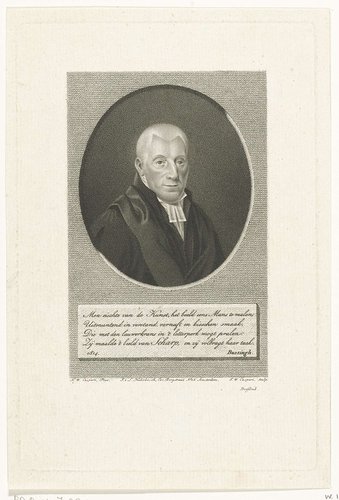
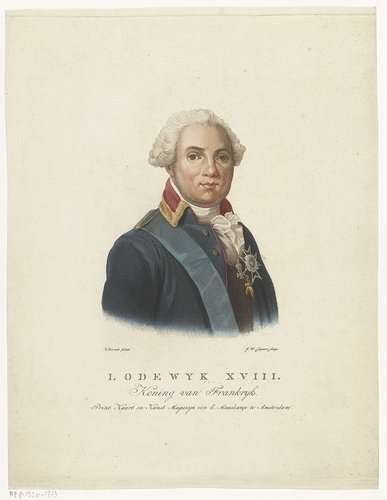
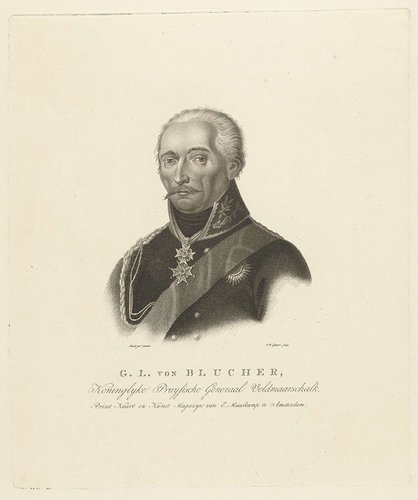
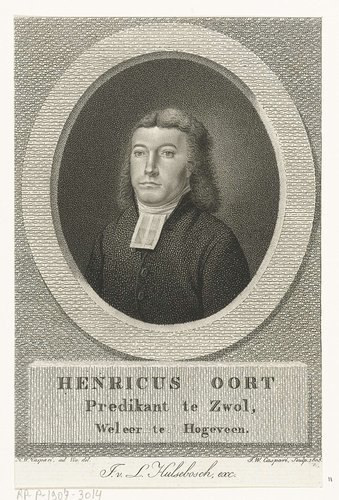
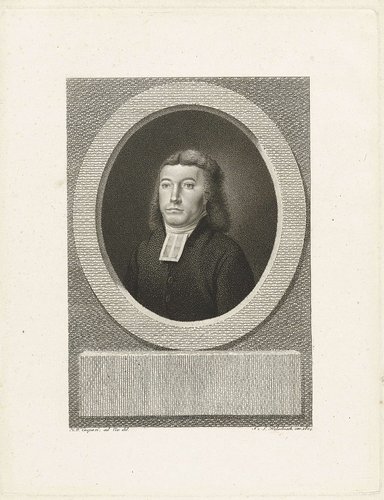
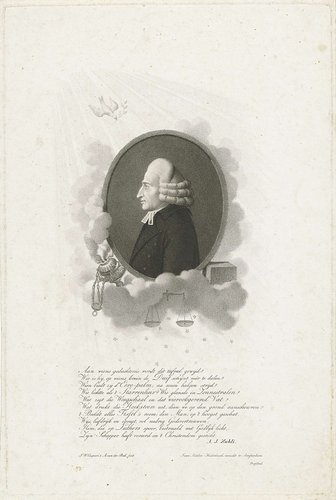
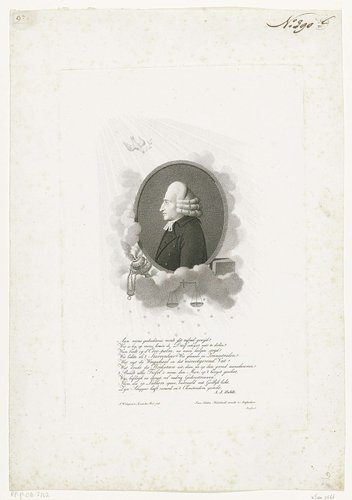
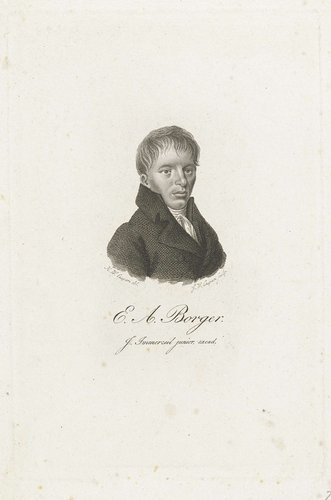
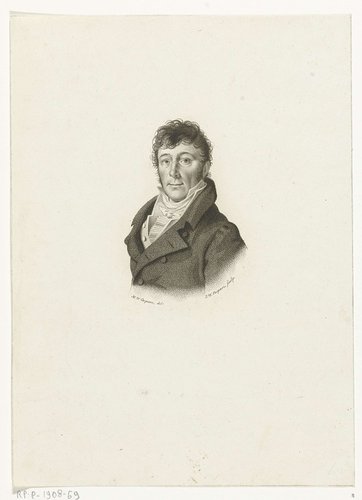
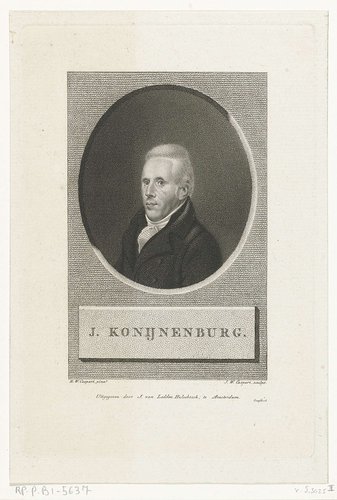
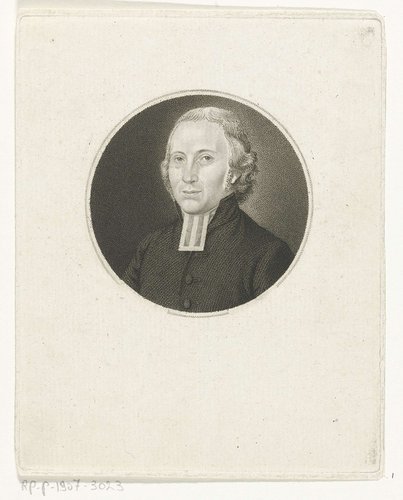
Documentation indicates that Caspari created engravings after works by other artists, including Jan Kamphuijsen (1760–1841), demonstrating his work as a reproductive engraver. Reproductive engraving was a crucial profession in the pre-photographic era, allowing paintings and drawings to be disseminated beyond the single original. Successful reproductive engravers needed both technical skill in handling the burin and copper plate, and the aesthetic judgment to translate works from one medium to another effectively.
The confusion in historical records regarding Caspari's death date (some sources citing 1822, others 1859) reflects the challenges of historical research when dealing with artists who, while professionally active, did not achieve the level of fame that ensured careful biographical documentation. The earlier date of 1822 appears more reliable based on archival evidence, though the discrepancy has persisted in some reference works. His death at age forty-two or forty-three cut short what appears to have been a productive career.
Artheon Research Team
Last updated: 2025-11-09
Biography length: ~532 words
Wikidata (CC0)