Ctrl K
1690–1762
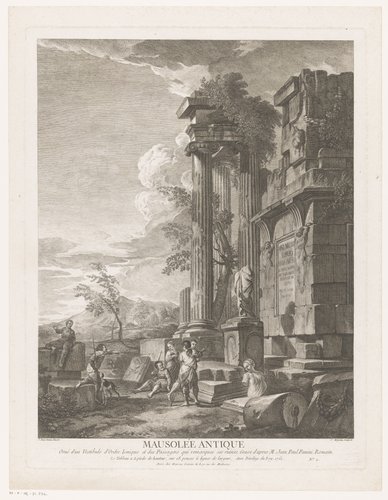
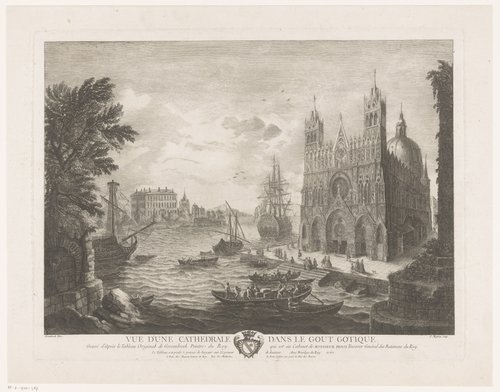
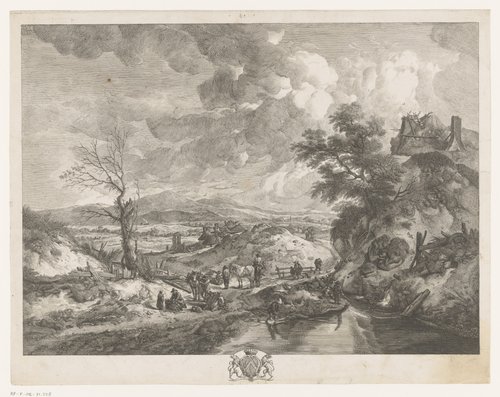
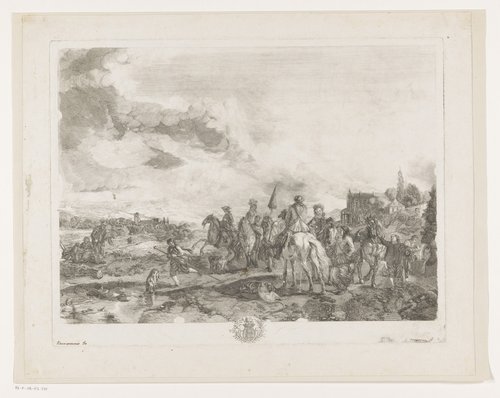
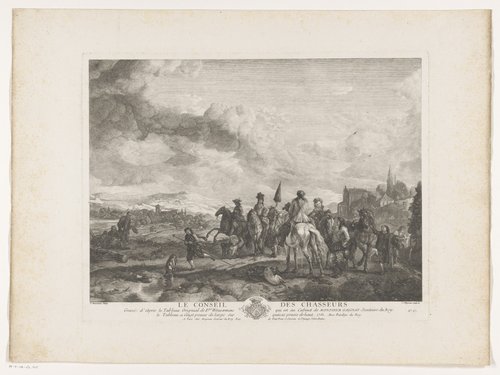
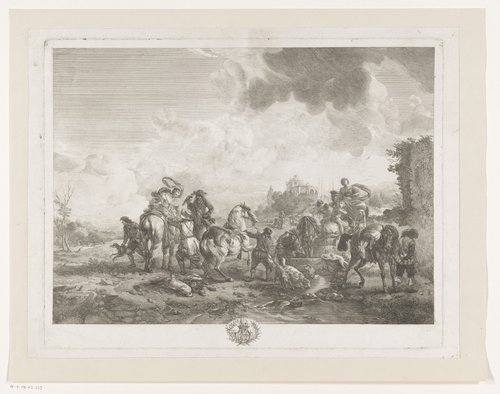
**Jean Moyreau (1690–1762)** was a French engraver renowned for his reproductive prints that faithfully translated the dynamic compositions of Dutch and French masters into the medium of copperplate. Born in Orléans, he spent his career in Paris during the height of the Rococo period, focusing on the precise art of etching and engraving to capture atmospheric effects, textures, and lively scenes.
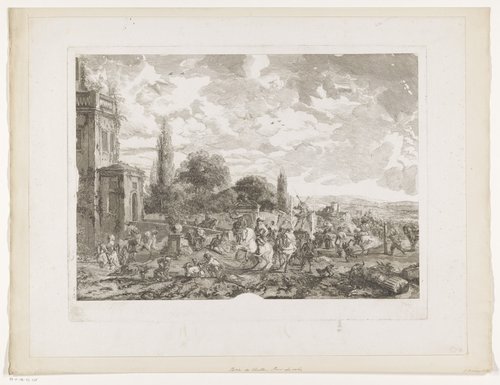
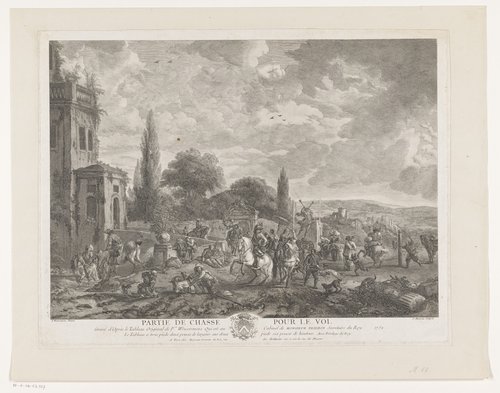
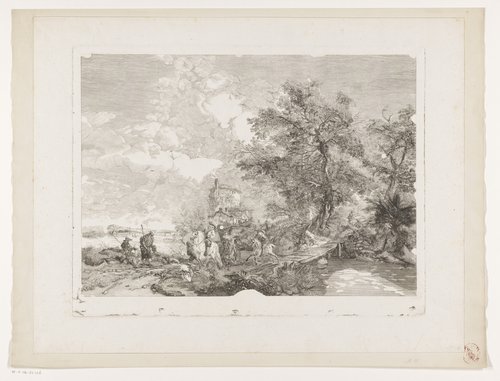
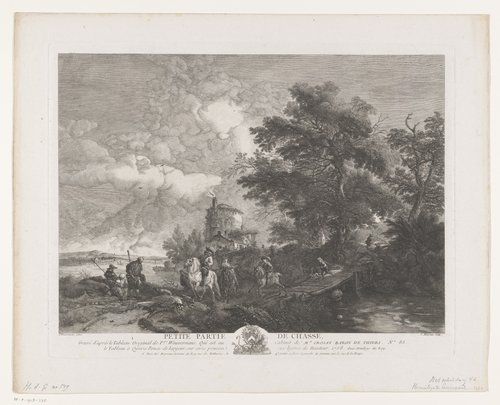
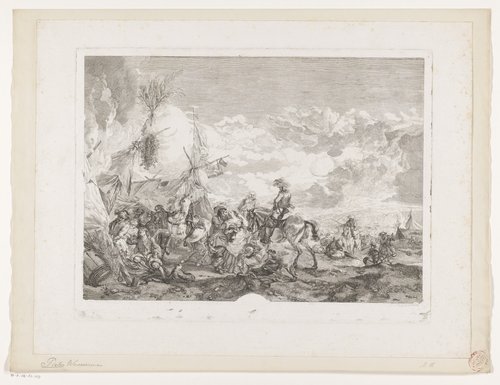
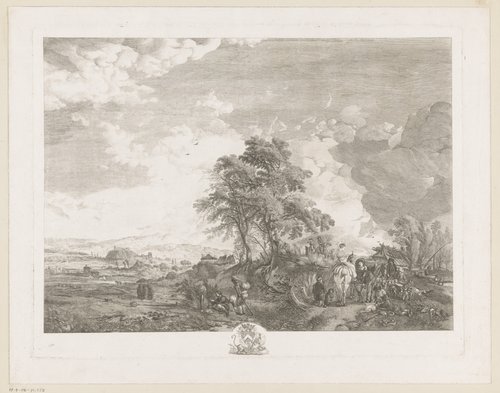
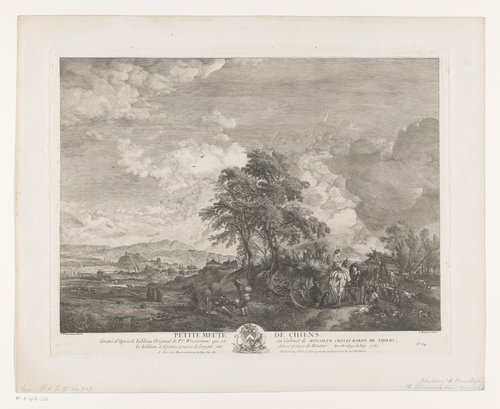
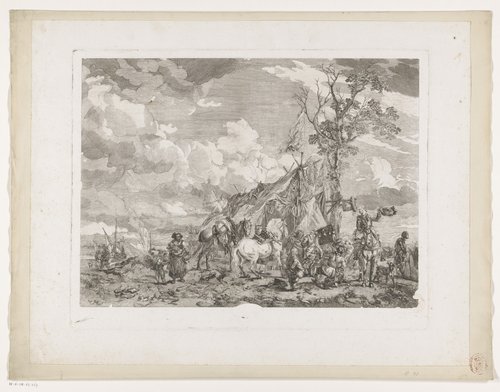
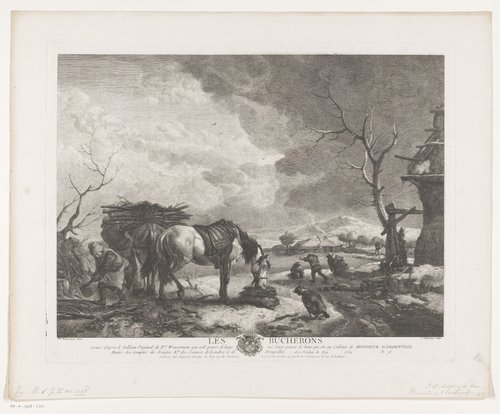
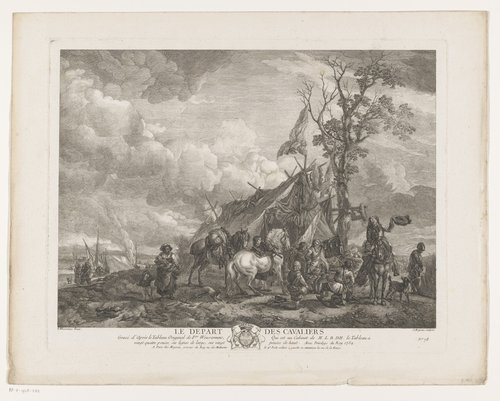
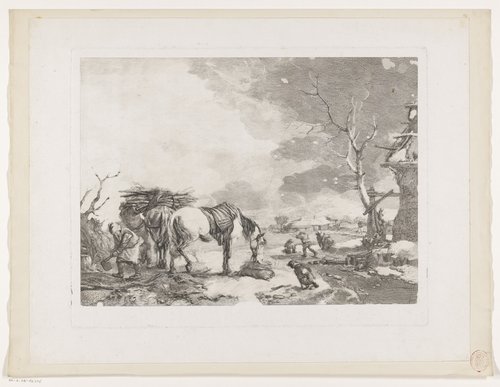
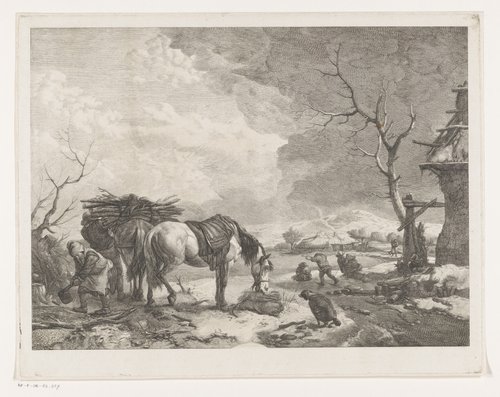
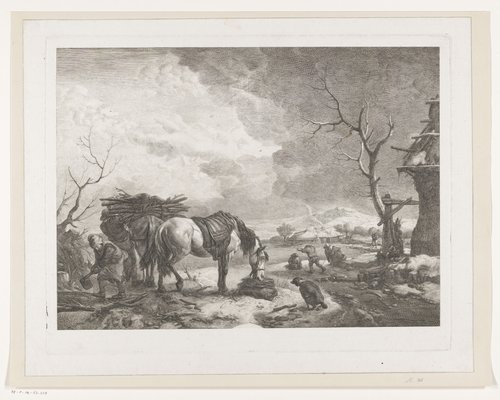
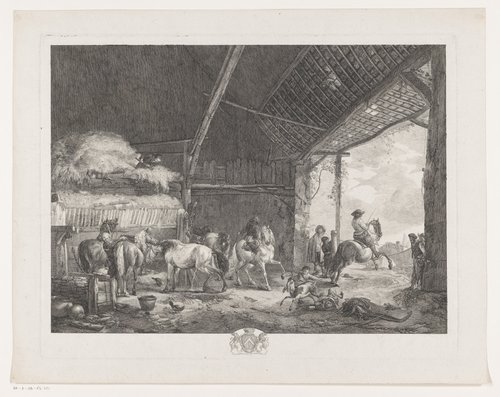
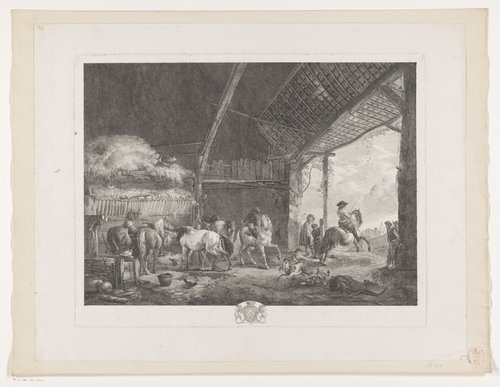
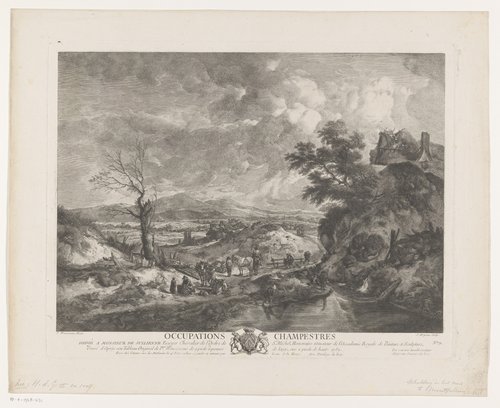
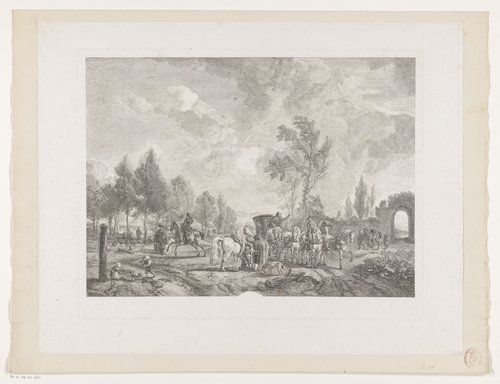
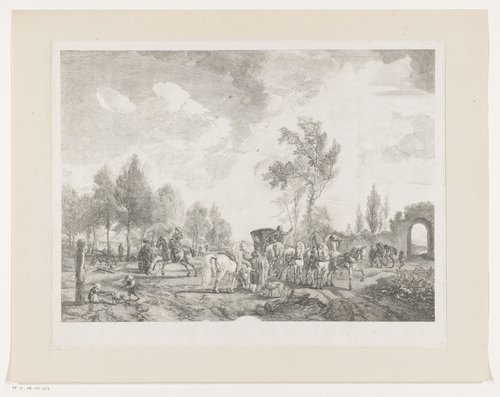
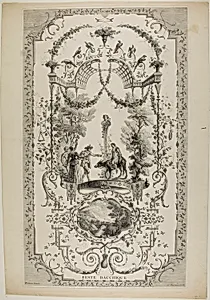
Moyreau’s most significant achievement was his extensive series of eighty-nine plates after the Dutch Golden Age painter Philips Wouwerman, depicting equestrian scenes, hunting parties, cavalry camps, and rural life. He also produced notable engravings after Jean-Antoine Watteau, including works such as *Feste Bacchique* and *La Collation* (c. 1729), as well as portraits like that of composer Jean-Féry Rebel. His technique combined etching for tonal subtlety with engraving for crisp detail, allowing him to preserve the energy and depth of the originals in monochrome prints.
Though details of his early training remain undocumented, Moyreau established himself as a specialist in reproductive engraving, a vital practice that disseminated important paintings to wider audiences through affordable prints. His focused dedication to Wouwerman’s oeuvre set him apart from more versatile contemporaries.
Moyreau’s legacy endures in major museum collections, including the National Gallery of Art and the Art Institute of Chicago, where his prints continue to be studied for their technical mastery and historical value. With over 130 known works, he played a key role in bridging 17th-century Dutch painting and 18th-century French print culture, ensuring that vibrant scenes of movement and nature remained accessible and appreciated long after the originals.