Ctrl K
1716–1774
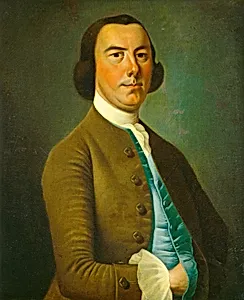
Jeremiah Theus (1716–1774) was a Swiss-born American portrait painter who became the leading artist in colonial Charleston, South Carolina. Born on April 5, 1716, in Chur, Switzerland, as the eldest child of Simeon and Anna Walser Theüs, he immigrated with his family in 1735 at age nineteen. The family settled in Orangeburgh Township under colonial land grants encouraging Protestant settlement. Theus soon moved to Charleston, where he established himself as a professional artist by 1740.
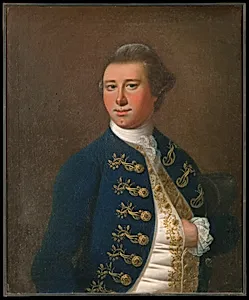
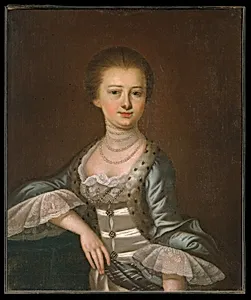
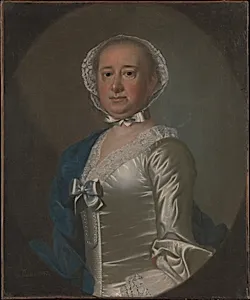
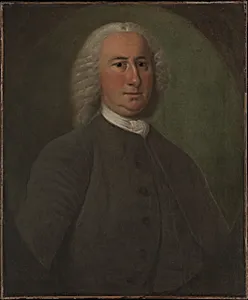
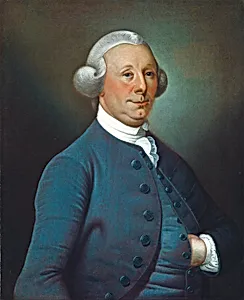
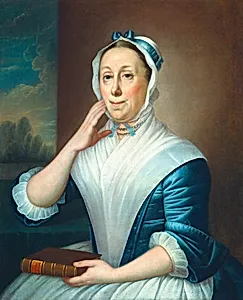
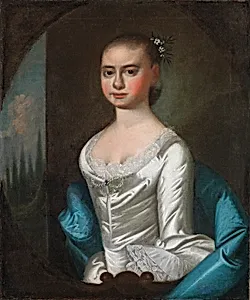
His early training remains unknown, though he likely received some instruction in Switzerland before arriving in the colonies. Theus worked in the limner tradition common among early American painters, producing precise, detailed portraits that emphasized decorative clothing and accessories. He modeled his compositions after fashionable English examples, drawing inspiration from mezzotint reproductions of aristocratic portraits. In 1740 he advertised his services for portraits, landscapes, crests, and coats of arms, and he later opened an evening drawing school in his home at the corner of Broad and Meeting Streets. By 1744 he was confident enough in his skills to offer instruction, and he enjoyed almost no competition in the region for over three decades.
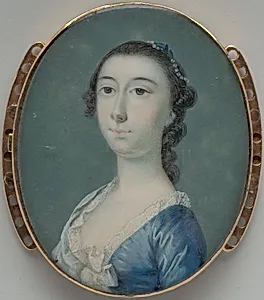
Theus painted approximately 150 portraits of Charleston’s prominent plantation owners, merchants, and their families. Among his documented works are the 1757 portrait of Gabriel Manigault at the Metropolitan Museum of Art and companion likenesses of William and Mary Mazyck from the 1770s. His vibrant Baroque-influenced style captured the wealth and status of his sitters with lively color and careful attention to fabric and jewelry.
Theus died in Charleston on May 17, 1774. His paintings remain concentrated in South Carolina collections, with significant holdings at the Gibbes Museum of Art (twenty-two works) and additional examples at the National Gallery of Art, Smithsonian American Art Museum, and other major institutions. As Charleston’s premier colonial-era artist, he left a lasting record of eighteenth-century Southern society and helped establish professional portraiture in the American South.