
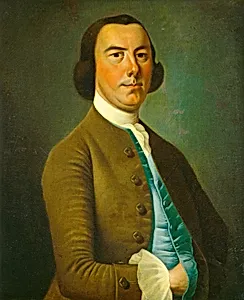
Mr. Motte
c. 1760
Medium
oil on canvas
Dimensions
overall: 76.2 x 63.5 cm (30 x 25 in.) framed: 93.4 x 80.7 x 7 cm (36 3/4 x 31 3/4 x 2 3/4 in.)
Classification
Painting
Department
CAB
Museum
National Gallery of Art, Washington, D.C.
Credit
Andrew W. Mellon Collection
Accession Number
1947.17.12
Rights
Public Domain
Art Historical Context
**Mr. Motte** is a striking oil-on-canvas portrait by Jeremiah Theus, painted around 1760. Theus, a Swiss-born who settled in Charleston, South Carolina in the 1730s, became one colonial America's leading portraitists, capturing the likenesses of the Southern elite. This half-length painting, measuring 30 x 25 inches, exemplifies the era's tradition of formal portraiture, where oil on canvas allowed for luminous skin tones, intricate fabric textures, and subtle depth through glazing techniques—hallmarks of English-influenced Rococo style adapted to the New World. Created during the vibrant pre-Revolutionary period in the British colonies, the work likely depicts a prosperous Charleston merchant or planter, as suggested by the dignified title "Mr. Motte." Such portraits served as status symbols, adorning homes to signal wealth and social standing amid growing colonial prosperity fueled by rice and indigo trade. Theus's skill in rendering poised figures and detailed attire reflects his training in European conventions, bridging Old World elegance with American identity. Housed in the National Gallery of Art's Andrew W. Mellon Collection, **Mr. Motte** offers a window into 18th-century Southern life, preserving the refined gaze of a man on the cusp of revolutionary change. It's a testament to Theus's enduring legacy, with over 200 known works that humanize the architects of early American society.
About the Artist
Jeremiah Theus · 1716–1774
Jeremiah Theus (1716–1774) was a Swiss-born American portrait painter who became the leading artist in colonial Charleston, South Carolina. Born on April 5, 1716, in Chur, Switzerland, as the eldest child of Simeon and Anna Walser Theüs, he immigrated with his family in 1735 at age nineteen. The family settled in Orangeburgh Township under colonial land grants encouraging Protestant settlement. Th...