Ctrl K
1819–1891
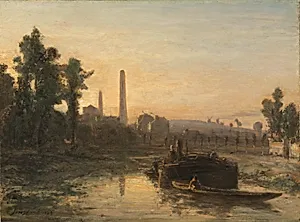
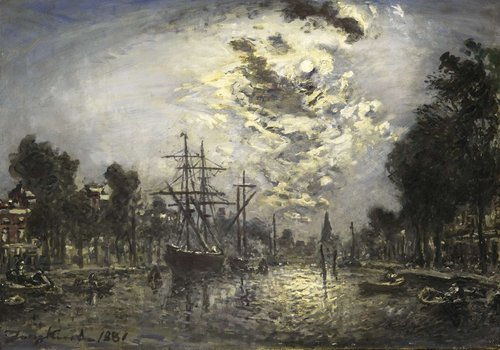
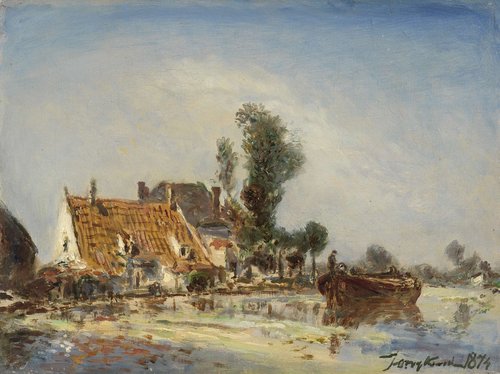
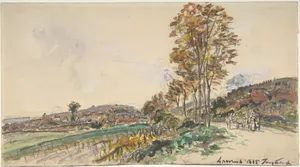
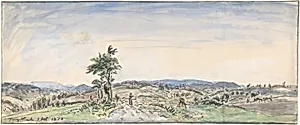
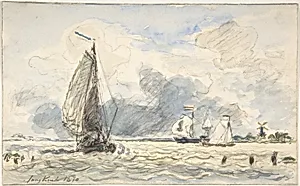
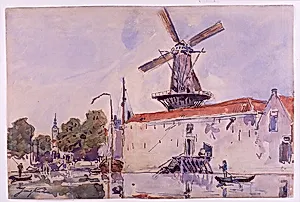
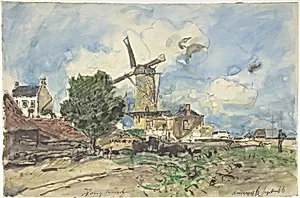
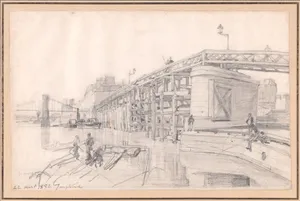
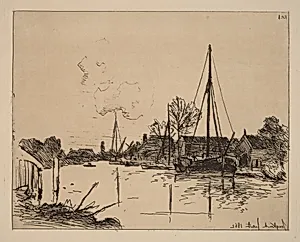
Johan Barthold Jongkind (1819–1891) was born on June 3 in the rural village of Lattrop, in the Netherlands' Overijssel province, and emerged as a pivotal figure bridging Dutch landscape traditions with the dawn of Impressionism. He began his formal training at The Hague's art academy under the esteemed landscape painter Andreas Schelfhout, whose influence rooted Jongkind in the meticulous depiction of nature. In 1846, drawn to Paris's vibrant art scene, he continued his studies in Montparnasse under Eugène Isabey, a marine specialist, and François-Édouard Picot, honing skills in capturing atmospheric effects and light. These mentors shaped his lifelong focus on marine and river scenes, often sketched en plein air in watercolor before elaboration in oil.
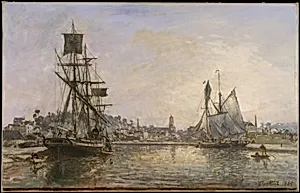
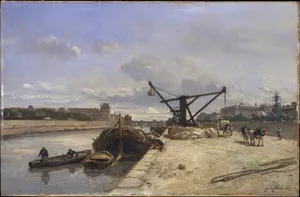
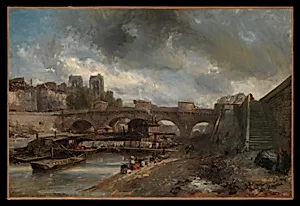
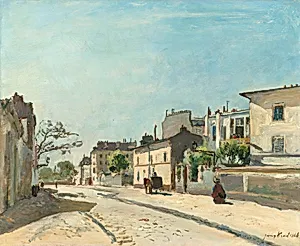
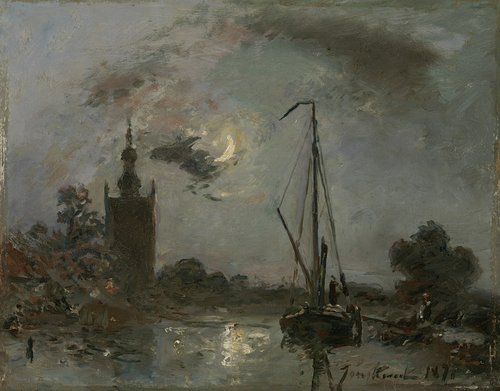
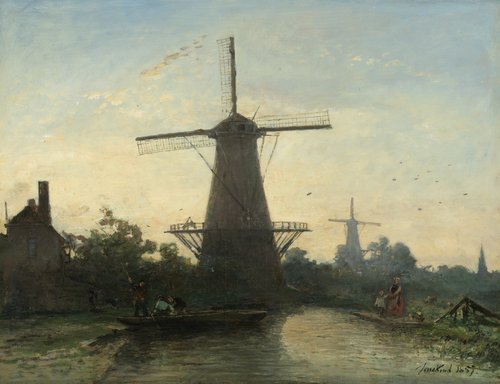
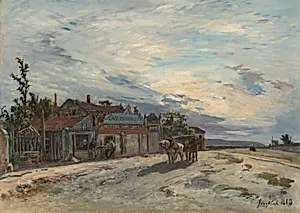
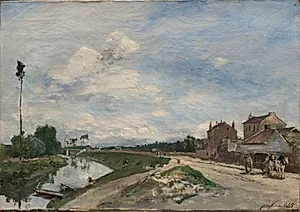
Jongkind's style evolved into loose, vigorous brushwork with low horizons that let expansive skies dominate, echoing 17th-century Dutch masters like Jacob van Ruisdael while pioneering Impressionist spontaneity through bold contrasts and fleeting light. He debuted successfully at the Paris Salon in 1848, earning praise from Charles Baudelaire, and later showed at the inaugural Salon des Refusés in 1863. Friendships with Eugène Boudin and encounters with Claude Monet and Frédéric Bazille at Honfleur's Saint-Siméon inn proved formative; Monet later credited Jongkind with the "definitive education" of his eye. Iconic works include *The Pont Neuf* (1849–1850, Metropolitan Museum of Art), a luminous Parisian bridge view; *The Seine and Notre-Dame de Paris* (1864, Musée d'Orsay), evoking the river's shimmer; *Overschie in the Moonlight* (1871, Rijksmuseum); and *In Holland, Boats by the Mill* (1868, Musée d'Orsay).
Though invited to the 1874 Impressionist exhibition, Jongkind declined, shuttling between the Netherlands and France amid bouts of depression and alcoholism. In 1878, he settled with companion Joséphine Fesser at La Côte-Saint-André near Grenoble, producing luminous ports like *La Ciotat* (1880) until his death in nearby Saint-Égrève. His legacy endures as a forerunner of Impressionism, inspiring Monet's light-drenched visions and filling museums worldwide—from the Rijksmuseum to the National Gallery, London—with over 900 oils, 4,000 watercolors, and etchings that celebrate ephemeral atmosphere.