Ctrl K
1716–1761
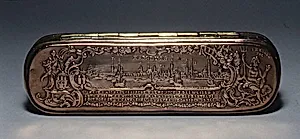
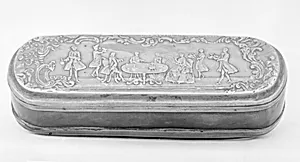
**Johann Heinrich Giese (1716–1761)** was a skilled German engraver and metalworker based in Iserlohn, a town renowned for its brass and copper production in the 18th century. Specializing in decorative tobacco and snuff boxes, Giese became one of the leading figures in this craft during the mid-1700s. His work combined practical utility with intricate stamped designs, often commemorating historical events or everyday scenes.
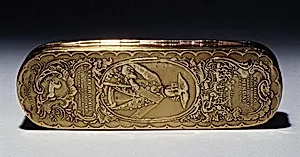
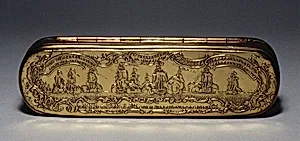
Giese is credited with inventing a rolling stamp technique that allowed for efficient, high-quality decoration on metal surfaces. In 1755, Frederick the Great granted him a royal monopoly for producing these boxes, underscoring his technical innovation and commercial success. Active from around 1756, he created oblong brass and copper boxes featuring detailed engravings of battles, tea-drinking scenes, and other motifs. Notable examples include a commemorative snuffbox marking the Battle of Minden (1759) and others depicting events like the Battle of Rossbach.
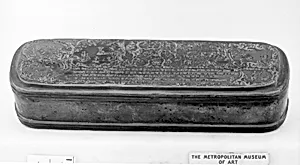
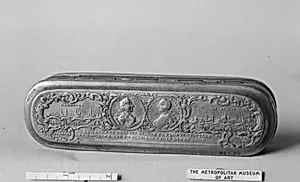
Several of his pieces are preserved in major collections, including multiple tobacco boxes at The Metropolitan Museum of Art (dated circa 1760–65) and works at the Museum of Fine Arts, Houston. These objects exemplify the vibrant tradition of Iserlohn metalwork, blending functionality with narrative artistry popular among the period’s tobacco enthusiasts.
Giese’s legacy endures through these finely crafted boxes, which highlight the intersection of engraving, metalworking, and historical commemoration in 18th-century Germany. With six known artworks in the collection, his output reflects both artistic ingenuity and the era’s demand for personalized luxury items. His contributions helped elevate Iserlohn’s reputation as a center for such decorative arts.