Ctrl K
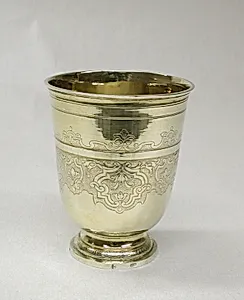
1710–1752
Johann Jakob Bruglocher II (1710–1752) was a skilled German silversmith based in Augsburg, a renowned center for metalwork during the eighteenth century. Active throughout his adult life in this prosperous Bavarian city, he specialized in creating refined silver objects that reflected the elegant tastes of the period. His work exemplifies the high standards of Augsburg craftsmanship, where artisans produced luxury items for both domestic use and ecclesiastical settings.
Bruglocher II worked within the established traditions of Augsburg silversmithing, producing pieces marked by precise engraving, balanced proportions, and subtle decorative details typical of mid-eighteenth-century German silver. While specific details of his training remain undocumented, he belonged to a lineage of metalworkers in the city, with a namesake successor, Johann Jakob III Bruglocher, continuing similar work. His output focused on functional yet ornate silverware, demonstrating technical mastery in shaping and finishing precious metals.
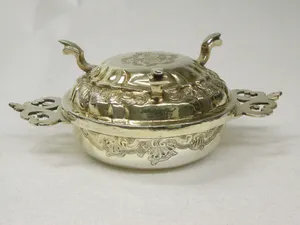
Among his notable surviving pieces is an elegant écuelle (a small covered bowl or porringer) dated circa 1743–45, now in the collection of the Metropolitan Museum of Art. Another example is a silver book cover from the mid-eighteenth century, also held by the Met, showcasing his ability to adapt silversmithing techniques to different formats. Additional works attributed to him include smaller vessels and engraved items from the 1720s onward, highlighting his consistent productivity over three decades.
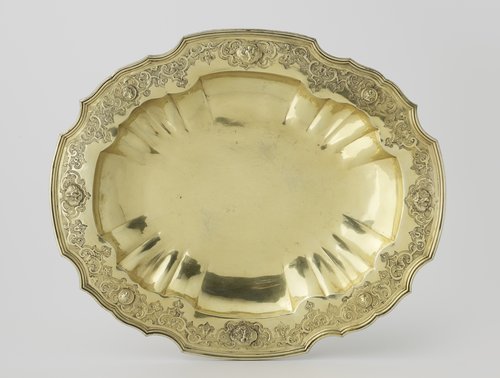
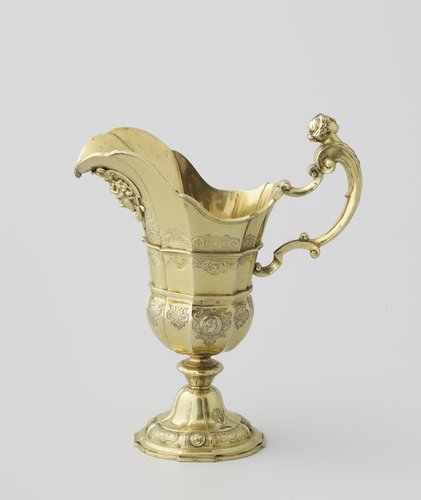
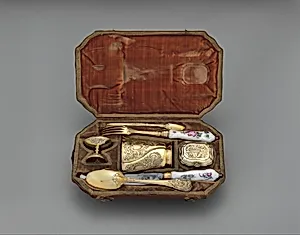
Bruglocher II’s legacy endures through the five artworks preserved in this virtual museum collection, which offer insight into the sophisticated silver trade of Augsburg. His contributions help illustrate how regional artisans supplied European courts and households with objects that combined utility and artistry, influencing later generations of metalworkers in Germany.
All 5 artworks loaded