Ctrl K
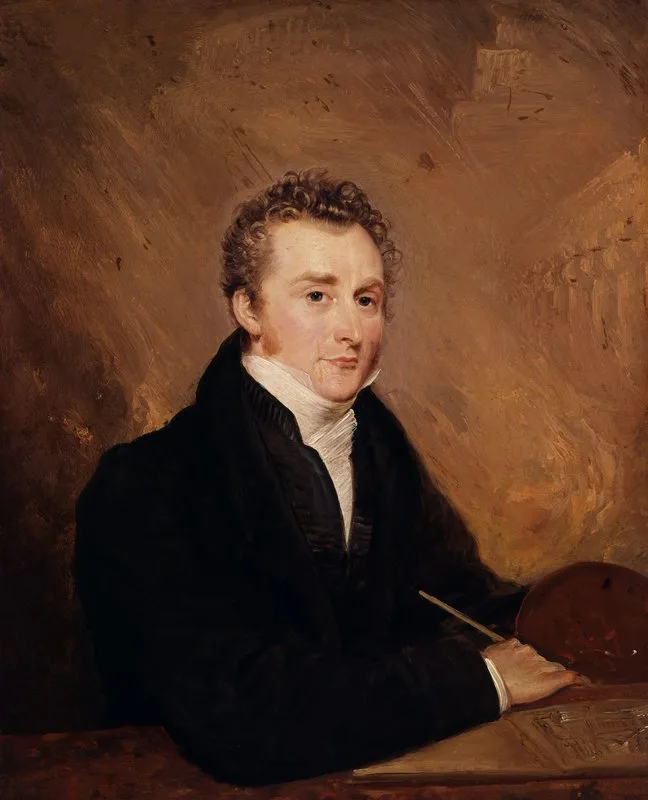
1789–1854
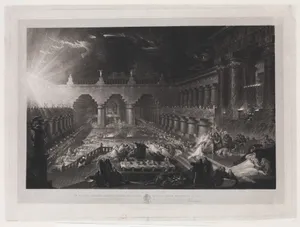
John Martin (1789–1854) was a British painter and mezzotint engraver whose apocalyptic biblical and historical paintings made him one of the most popular artists in early nineteenth-century Britain. Born in Haydon Bridge, Northumberland, he trained as a heraldic and coach painter before moving to London, where his monumental painting "Belshazzar's Feast" (1820) caused a sensation and established his reputation for scenes of cosmic catastrophe rendered on a vast scale.
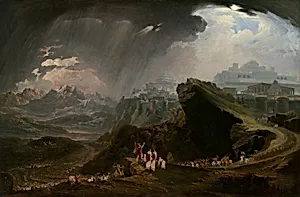
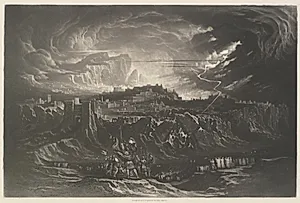
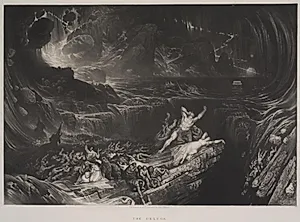
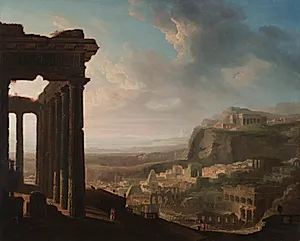
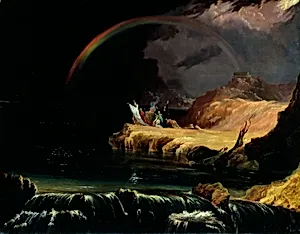
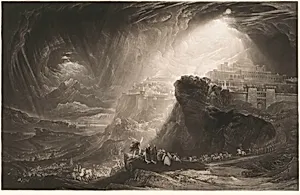
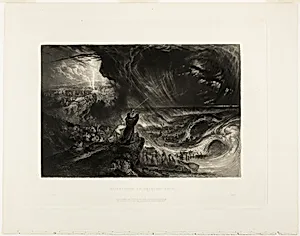
Martin specialized in paintings of sublime destruction and divine judgment — the fall of Babylon, the deluge, the destruction of Pompeii and Herculaneum, and scenes from Milton's Paradise Lost. His compositions feature tiny human figures dwarfed by enormous architectural fantasies, volcanic eruptions, and cataclysmic storms, creating a sense of overwhelming scale and terrifying beauty. The dramatic chiaroscuro, vertiginous perspectives, and sheer theatrical ambition of these works made them enormously popular with the public, who flocked to see them in dedicated exhibitions.
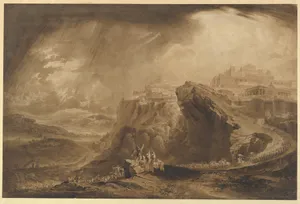
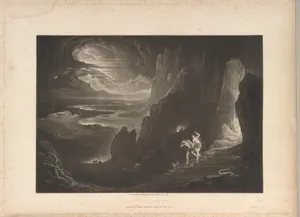
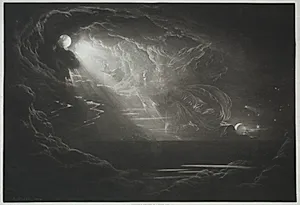
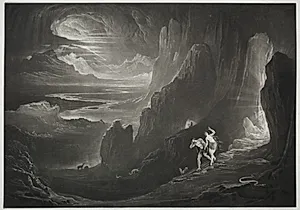
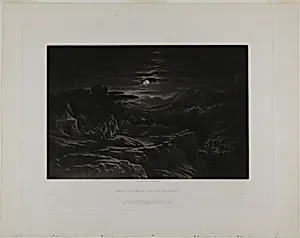
Martin's mezzotint engravings, particularly his illustrations for Milton's Paradise Lost (1827) and the Bible, achieved even wider circulation than his paintings and were distributed internationally. His dark, theatrical vision influenced popular visual culture well beyond the art world, shaping Victorian conceptions of the biblical sublime and anticipating the disaster spectacles of cinema.
Though dismissed by some critics as vulgar and sensationalist, Martin was enormously admired by writers including Charles Dickens and Charlotte Brontë. His late triptych "The Last Judgement" paintings (1851–53) were his final monumental statement. His work is held by the Tate, the Yale Center for British Art, and the Laing Art Gallery in Newcastle.