Ctrl K
1871–1951
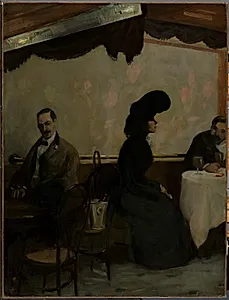
John French Sloan was born on August 2, 1871, in Lock Haven, Pennsylvania, and grew up in Philadelphia, where he taught himself to draw largely through self-study and reproductions before taking evening classes at the Pennsylvania Academy of the Fine Arts under Thomas Anshutz around 1892. That same year he met the painter Robert Henri, who became his closest friend and most influential mentor, encouraging Sloan to move from commercial illustration — at which he excelled, working for the Philadelphia Inquirer — toward serious painting. Together with William Glackens, George Luks, and Everett Shinn, Sloan and Henri formed the core of what became known as the Ashcan School, a movement committed to depicting the unvarnished realities of American urban life with directness and honesty.
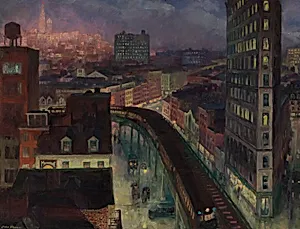
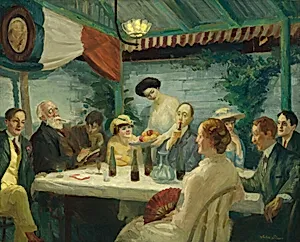
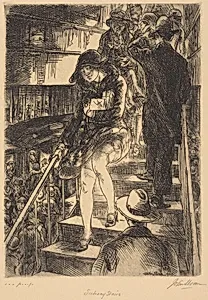
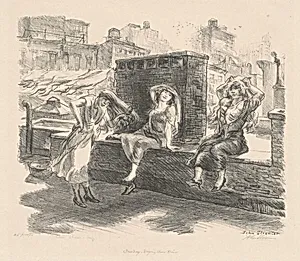
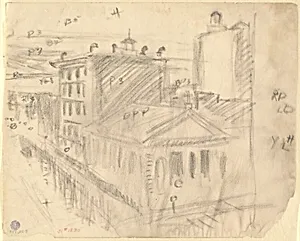
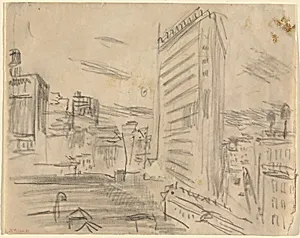
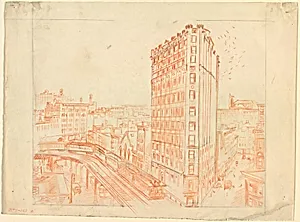
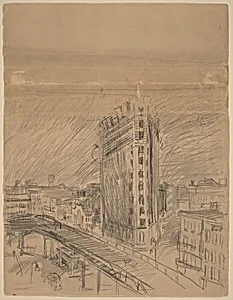
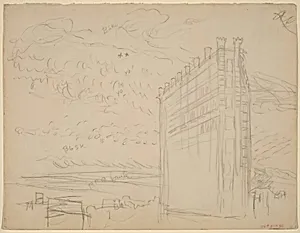
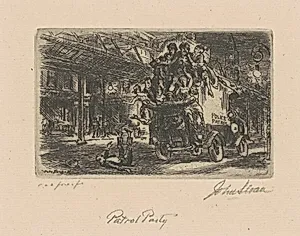
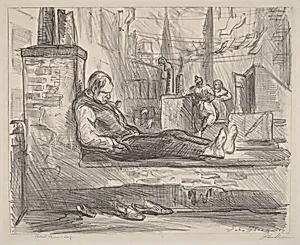
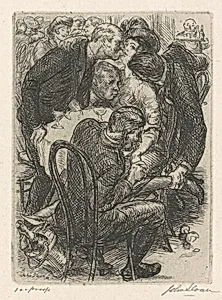
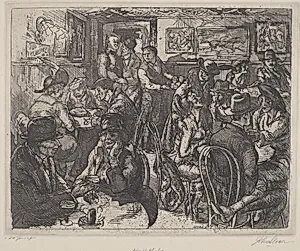
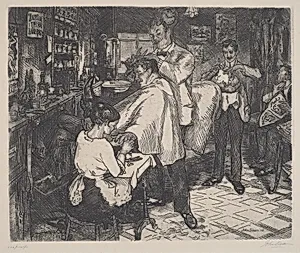
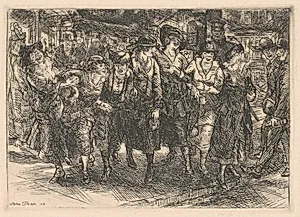
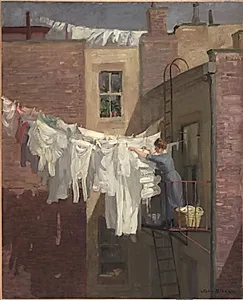
Sloan moved to New York in 1904, and the city became his primary subject. From his studio window and from long walks through the streets, he observed and recorded the everyday life of ordinary New Yorkers — women hanging laundry on rooftops, crowds at the elevated railway, figures glimpsed through tenement windows — with a warmth and specificity that set his work apart from academic painting. In 1908 he participated in the landmark exhibition at the Macbeth Galleries alongside Henri and six other painters, afterward collectively known as 'The Eight,' an event that challenged the dominance of the National Academy of Design. His paintings from this period — including Wake of the Ferry (1907), Hairdresser's Window (1907), and McSorley's Bar (1912) — remain landmarks of American realism.
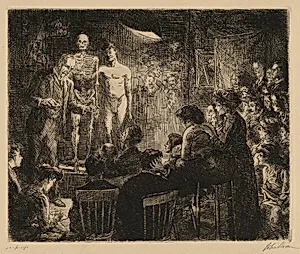
Sloan began teaching at the Art Students League in 1914, a post he held for eighteen years, and his students included Alexander Calder, Barnett Newman, and Reginald Marsh. He published his teaching philosophy in Gist of Art (1939). Sloan died on September 7, 1951, in Hanover, New Hampshire, at the age of eighty. Though he resisted the label 'Ashcan' throughout his life, feeling it reduced diverse artists to a single category, he is inseparable from the movement that brought American art into direct, unsentimentalized contact with the life of the modern city.