Ctrl K
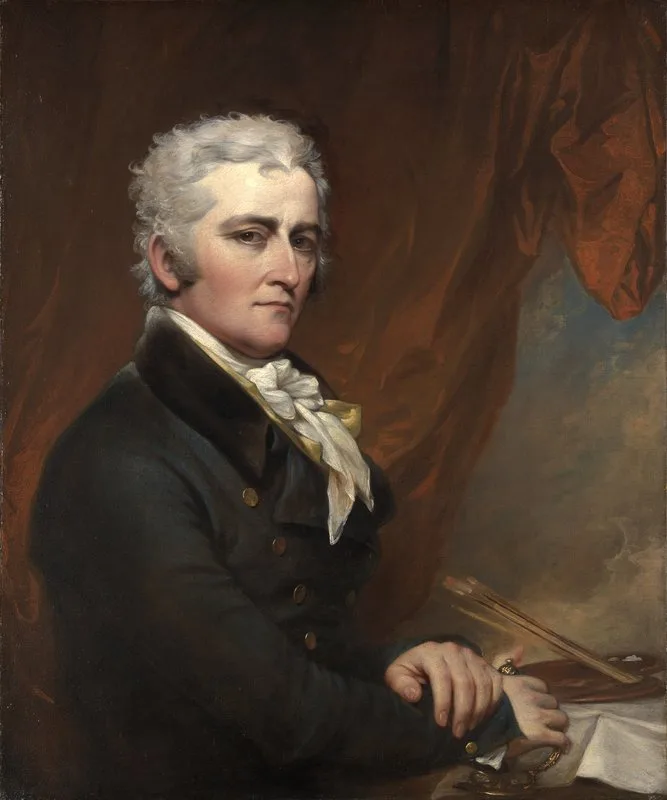
1756–1843
John Trumbull, born on June 6, 1756, in Lebanon, Connecticut, to prominent Puritan descendants, grew up in a politically influential family as the son of Jonathan Trumbull, Connecticut's governor from 1769 to 1784, and Faith Robinson Trumbull. His brothers included Joseph, the Continental Army's first commissary general, and Jonathan Jr., Speaker of the U.S. House of Representatives. A childhood accident left him blind in one eye, honing his meticulous attention to detail in painting. Entering Harvard at age 15, he graduated in 1773 before serving in the Revolutionary War as an aide-de-camp to George Washington and deputy adjutant-general to Horatio Gates, witnessing battles like Bunker Hill. After resigning amid a commission dispute and enduring imprisonment in London for suspected treason, Trumbull pursued art, studying under Benjamin West in London from 1780, where West encouraged his historical compositions.
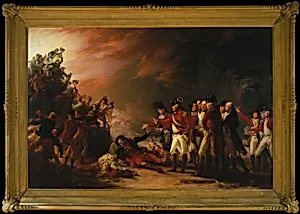
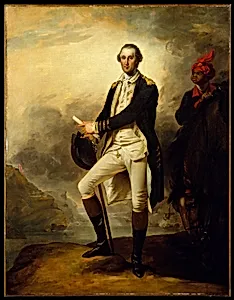
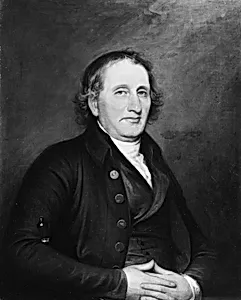
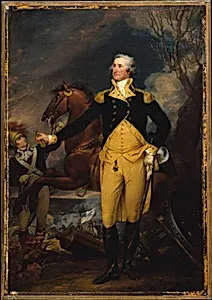
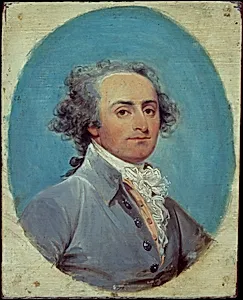
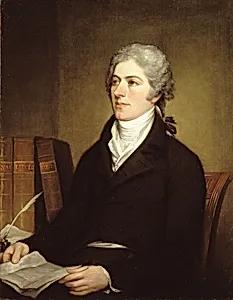
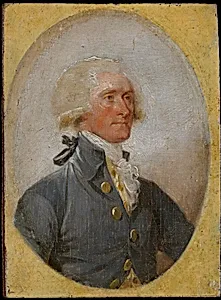
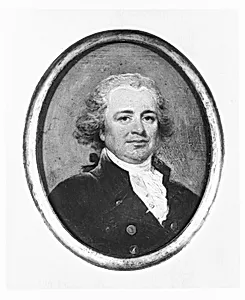
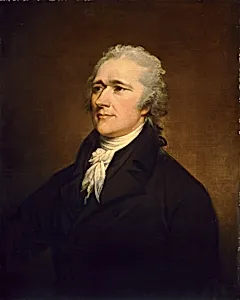
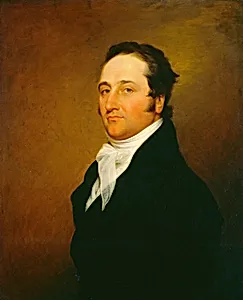
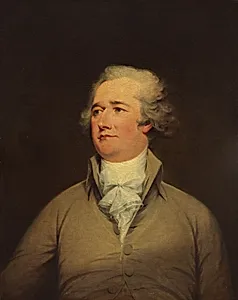
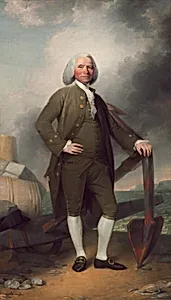
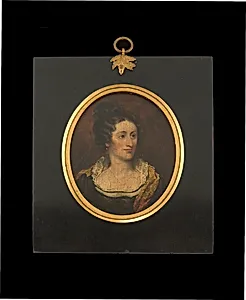
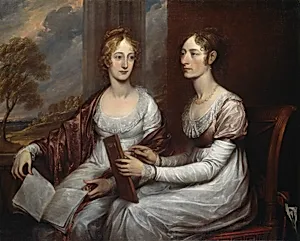
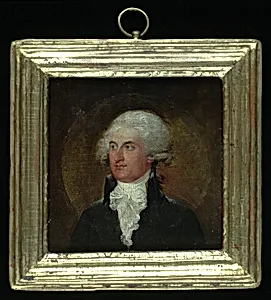
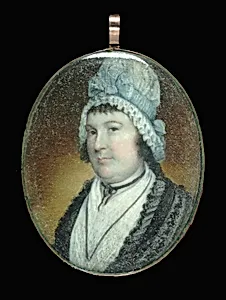
Trumbull worked in the neoclassical tradition of historical painting, influenced by West's grand manner, producing detailed scenes of Revolutionary events that elevated American history to epic status—earning him the title "Painter of the Revolution." His early masterpieces included *Battle of Bunker’s Hill* and *Death of General Montgomery in the Attack on Quebec* (both 1786, Yale University Art Gallery), alongside portraits like his 1780 memory sketch of Washington and over 250 miniatures of signers of the Declaration. In 1817, Congress commissioned four monumental canvases for the Capitol Rotunda: *Declaration of Independence* (1817–1819), *Surrender of General Burgoyne* (1821), *Surrender of Lord Cornwallis* (1820), and *General George Washington Resigning His Commission* (1824), adapting his smaller originals into lasting symbols of national triumph.
As president of the American Academy of the Fine Arts (1816–1836), Trumbull championed classical ideals but faced clashes with younger artists, contributing to the rise of the National Academy of Design. In 1831, he sold 28 paintings and 60 miniatures to Yale for an annuity, founding America's first institutional art gallery in a neoclassical structure he designed. Trumbull published his autobiography in 1841 and died in New York on November 10, 1843, at age 87. His works, including the Declaration on the $2 bill's reverse, endure as vital visual records of the Revolution, blending patriotism with artistic ambition.