Ctrl K
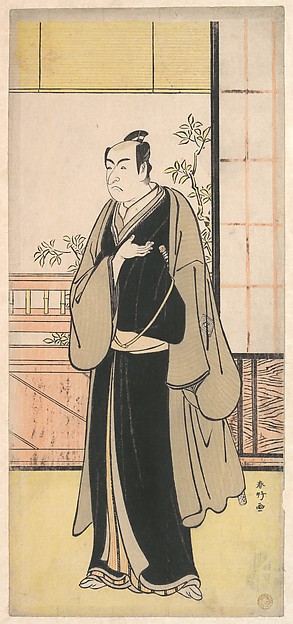
1743–1812
Occupations
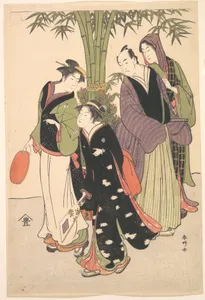
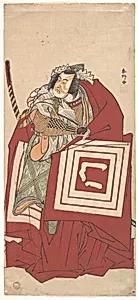
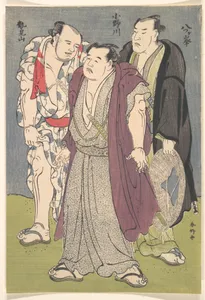
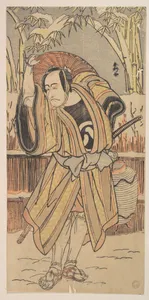
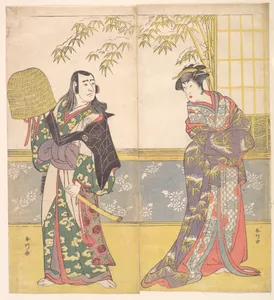
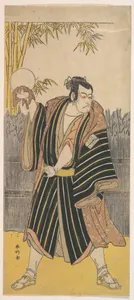
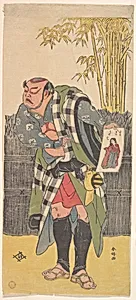
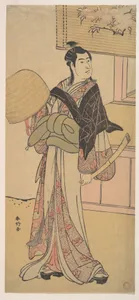
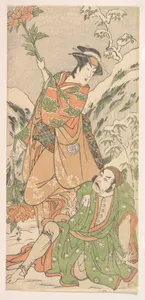
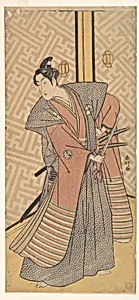
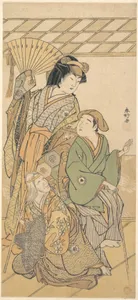
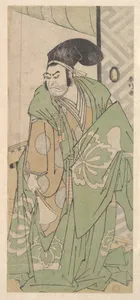
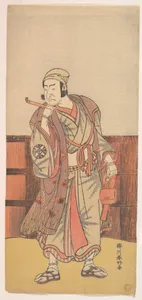
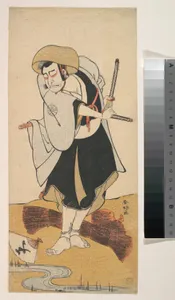
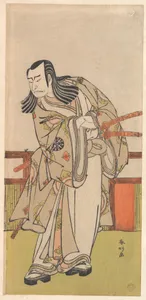
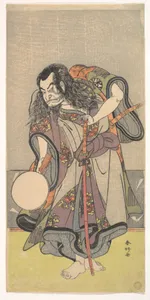
Katsukawa Shunkō I (1743–1812) was a Japanese ukiyo-e artist who pioneered the ōkubi-e (large-head) portrait format in kabuki actor prints and served as possibly the first student of Katsukawa Shunshō, the founder of the influential Katsukawa school. Born in 1743, Shunkō spent his entire life in Edo (modern Tokyo), working as both a painter and ukiyo-e printmaker specializing in yakusha-e (actor prints). His career exemplifies both the heights of artistic achievement and the personal tragedy that could befall Edo period artists. At approximately age 45, Shunkō became partially paralyzed, forcing him to cease designing prints. Remarkably, this right-handed artist adapted to his disability, continuing to produce paintings with his left hand for the remainder of his life. His pioneering work in the ōkubi-e format, his role as Shunshō's chief disciple, and his determined continuation of artistic practice despite severe disability make him a significant figure in ukiyo-e history.
Katsukawa Shunkō I was born in 1743 in Nihonbashi Hasegawachō in Edo, the thriving commercial and cultural capital of Tokugawa Japan. Little is known of his family background or early life before his artistic training.
He became a student of Katsukawa Shunshō—possibly the master's first student, suggesting an early and close relationship. This connection to Shunshō, who would revolutionize yakusha-e (actor prints) by introducing realistic individual portraiture, proved formative for Shunkō's artistic development.
His earliest known work consists of illustrations to the book 'Kaomise shibai banashi' (Talks about Debut Plays), dated 1766. This early work, created when Shunkō was about 23 years old, demonstrates his engagement with kabuki theater subjects from the beginning of his documented career.
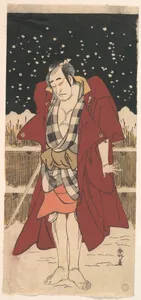
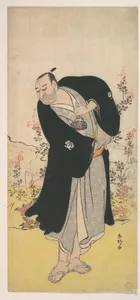
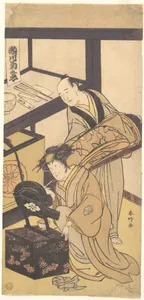
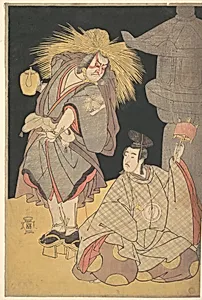
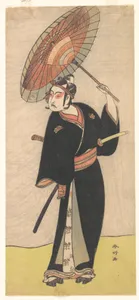
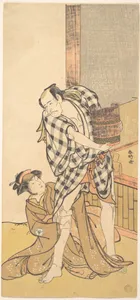
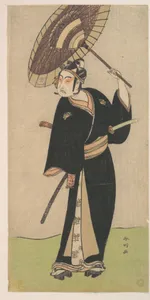
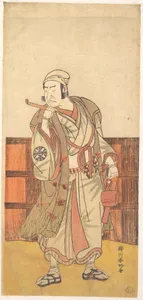
From about 1771, Shunkō began designing yakusha-e actor prints, which he signed with a distinctive small jar-shaped seal appearing next to his master Shunshō's larger seal. This practice earned him the nickname 'Kotsubo' (small jar), reflecting both his junior status and his close association with his master's work.
Shunkō is generally credited with designing the first large-head actor portraits (ōkubi-e), a revolutionary format that would transform kabuki portraiture. These dramatic close-ups eliminated background and supporting elements to focus entirely on actors' heads and upper shoulders, creating unprecedented intimacy and allowing detailed rendering of facial expressions, makeup, and characterization.
The ōkubi-e format represented a bold compositional innovation. Traditional actor prints showed full or three-quarter length figures in theatrical settings. By cropping to just the head, Shunkō created portraits of psychological intensity that captured the expressive power central to kabuki performance. This innovation would be adopted and further developed by later artists including his fellow student Shun'ei.
Throughout this period, Shunkō worked closely with his master Shunshō, often collaborating on projects and helping to establish the Katsukawa school as the preeminent source for kabuki imagery. His status as chief disciple reflected both his artistic abilities and his close relationship with Shunshō.
At approximately age 45 (around 1788), tragedy struck when the right-handed Shunkō became partially paralyzed. This devastating disability forced him to cease designing prints—work that required the fine motor control and sustained precision impossible with his condition.
However, Shunkō refused to abandon artistic practice entirely. Demonstrating remarkable determination, he taught himself to paint with his left hand, continuing to produce works despite his disability. This adaptation allowed him to remain creatively active and maintain his connection to the Katsukawa school and artistic community.
Painting, unlike printmaking, could accommodate his physical limitations. As a solitary activity under his complete control, it didn't require the collaboration with block carvers and printers essential to print production. His paintings from this period demonstrate his continued artistic vision and skill despite working with his non-dominant hand.
Despite his inability to produce prints, Shunkō remained within the Katsukawa school and continued to be considered Shunshō's chief disciple—a testament to his earlier achievements and continued respect within the artistic community.
Katsukawa Shunkō I died on December 1, 1812, at age 69. He had spent nearly half his life working around his disability, creating a body of painted work that complemented his earlier print innovations. His pioneering ōkubi-e format would influence kabuki portraiture for generations.
Artheon Research Team
Last updated: 2025-11-09
Biography length: ~951 words
Wikidata (CC0)