Ctrl K
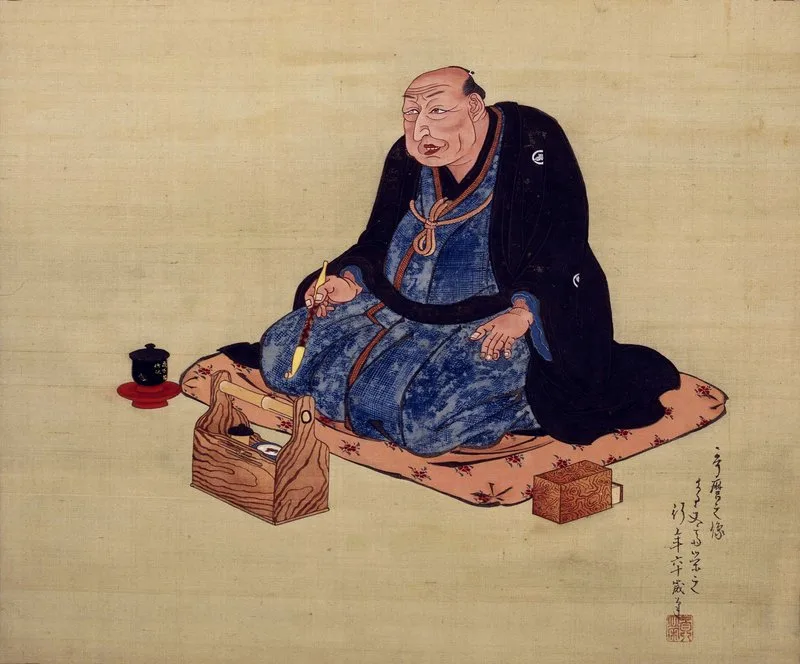
1753–1806
Movements
Occupations
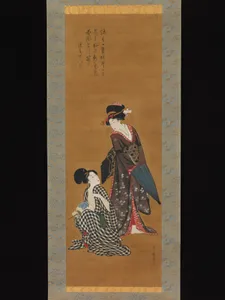
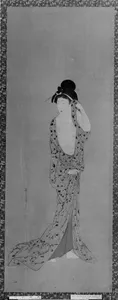
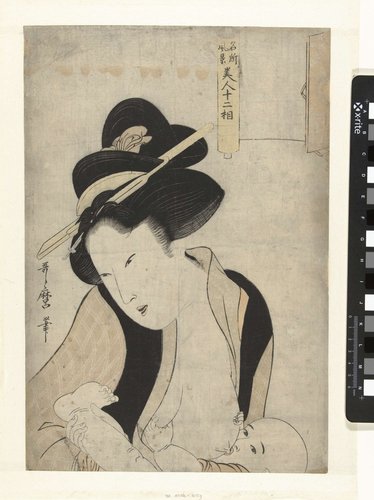
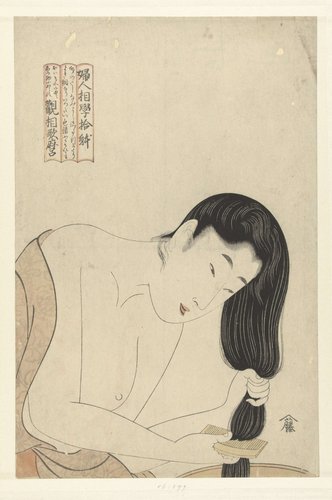
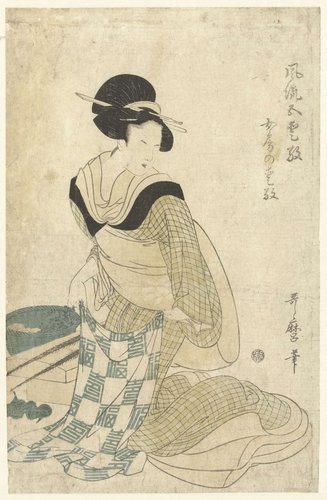
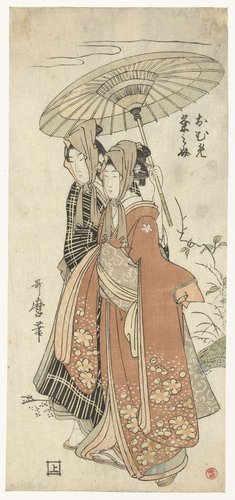
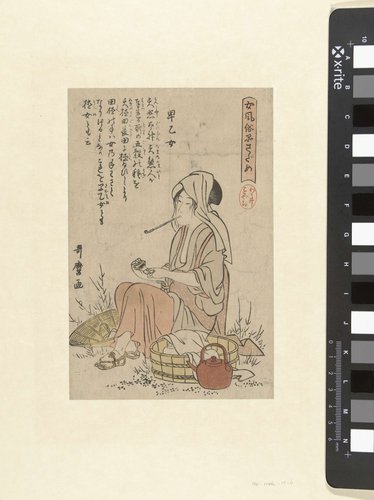
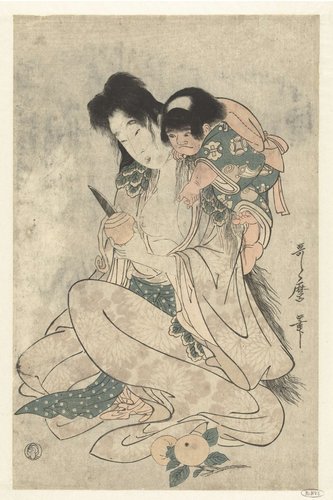
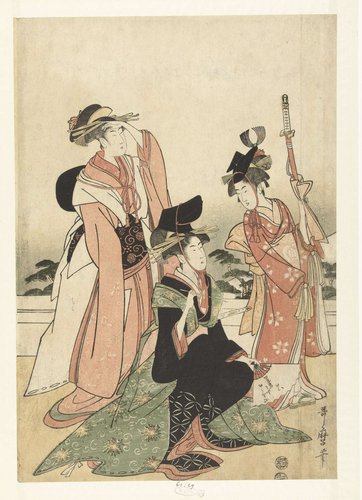
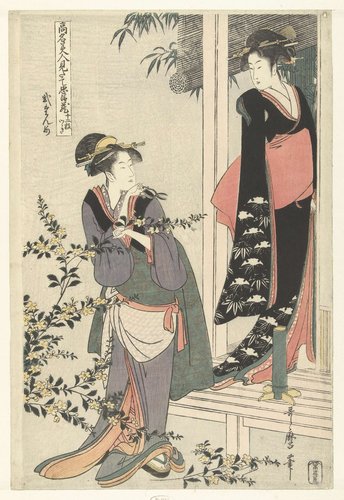
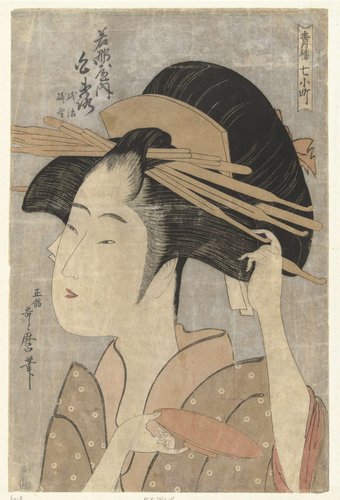
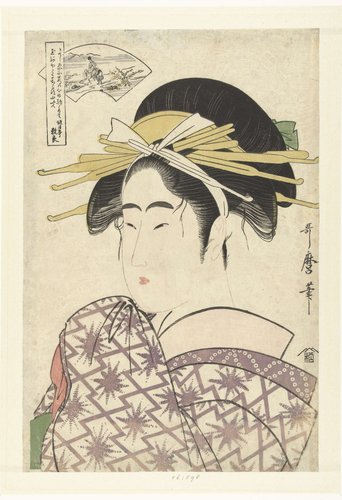
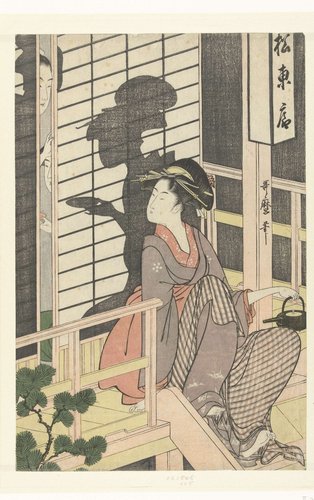
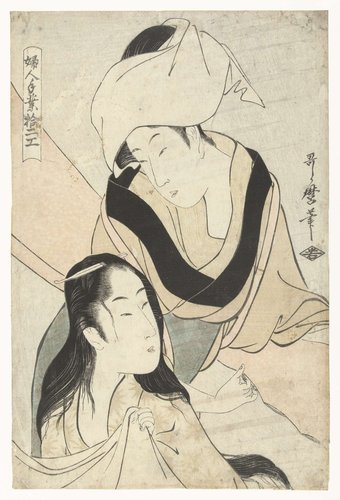
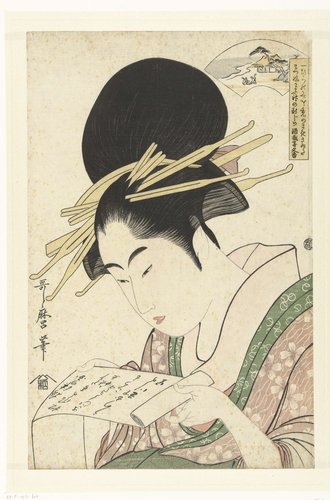
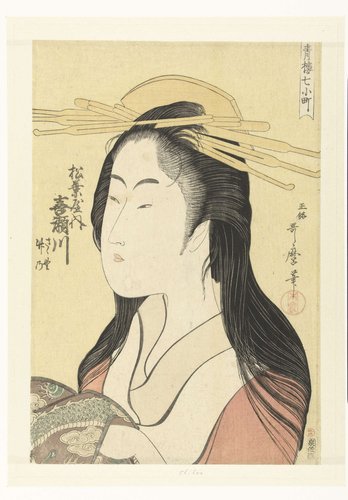
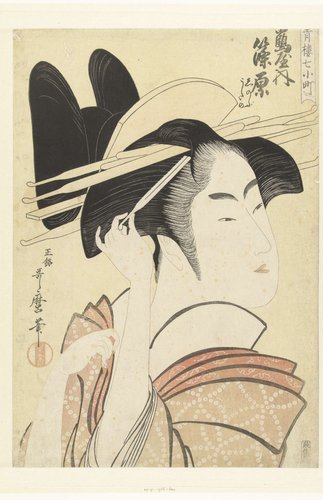
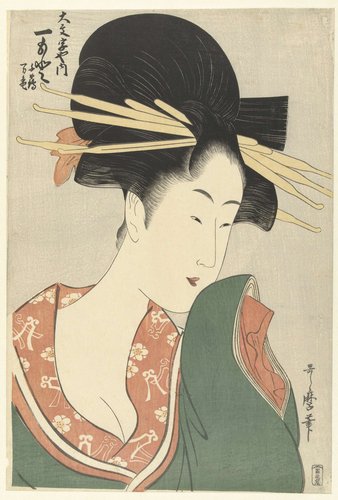
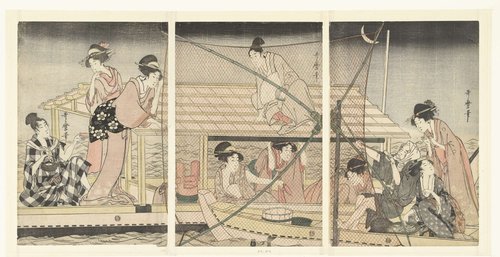
Kitagawa Utamaro (c. 1753-1806) was one of the most celebrated masters of ukiyo-e woodblock printing, revolutionizing the art of bijin-ga (pictures of beautiful women) during Japan's Edo period. Born Kitagawa Ichitaro, his early life remains shrouded in mystery, with conflicting accounts placing his birth in Kyoto, Osaka, Yoshiwara in Edo (modern Tokyo), or Kawagoe in Musashi Province. Under the tutelage of Toriyama Sekien, who may have been his father, Utamaro developed into a bright and devoted artist. Utamaro's genius lay in his pioneering approach to portraiture, particularly his development of okubi-e (large-headed pictures) around 1792-93, which dramatically shifted the ukiyo-e tradition from full-length group scenes to intimate half-length portraits focusing on the upper body and face. His subjects—primarily courtesans, geisha, and women from various social classes—were rendered with unprecedented psychological depth and individuality. Using innovative techniques such as kewari (hair strand carving as fine as one millimeter), kirazuri (mica powder for glittering effects), and gauffrage (embossing), he elevated ukiyo-e from popular ephemera to sophisticated works of art. His collaboration with the legendary publisher Tsutaya Juzaburo resulted in masterworks including the series 'Ten Studies in Female Physiognomy' and 'Twelve Hours in the Pleasure Quarters,' establishing him as one of the few ukiyo-e artists to achieve nationwide fame during his lifetime. Utamaro's career ended tragically when he was arrested and manacled for fifty days in 1804 for creating illegal prints depicting the 16th-century military ruler Toyotomi Hideyoshi. He died two years later on October 31, 1806, having produced over 2,000 prints. His influence extended far beyond Japan; when his works reached Europe following the 1858 Franco-Japanese trade agreement, they became central to the Japonisme movement, profoundly influencing French Impressionists including Manet, Monet, Degas, Cassatt, and Toulouse-Lautrec, who admired his revolutionary use of line, composition, color, and intimate subject matter.
Born Kitagawa Ichitaro around 1753, with his birthplace disputed among Kyoto, Osaka, Yoshiwara in Edo, or Kawagoe in Musashi Province
Came under the tutelage of Toriyama Sekien during childhood, who described him as bright and devoted to art
First published work may have been an illustration of eggplants in the haikai poetry anthology 'Chiyo no Haru' (1770)
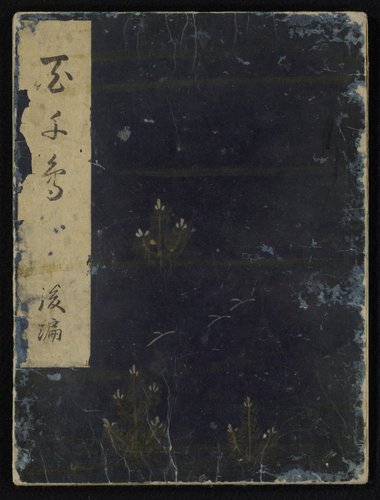
Early works appeared under the name Kitagawa Toyoaki, including the cover for the kabuki playbook 'Forty-eight Famous Love Scenes' (1775)
In 1783, Tsutaya Juzaburo took over the publishing house of Maruya Kohei and began publishing Utamaro's work, launching a revolutionary partnership
Lived in Tsutaya's home along with other artists and writers, forming a creative community that shaped Edo's cultural golden age
Around 1791, Utamaro abandoned designing prints for books to concentrate on half-length single portraits of women
In 1792-93, Tsutaya commissioned Utamaro to create okubi-e (big-headed pictures), a revolutionary format that zoomed in on the head and shoulders, previously used only for actor portraits
This period saw the creation of his most celebrated series including 'Ten Studies in Female Physiognomy' (Fujin Sogaku Jittai, c. 1792-93) and 'Ten Classes of Women's Physiognomy' (Fujo Ninso Juppin)
Tsutaya's death in 1797 marked the end of Utamaro's most creatively productive period
Achieved widespread fame throughout Japan by 1793, becoming one of the few ukiyo-e artists recognized nationwide during his lifetime
Produced major series including 'A Collection of Reigning Beauties,' 'Great Love Themes of Classical Poetry' (containing 'Revealed Love' and 'Pensive Love'), and 'Twelve Hours in the Pleasure Quarters'
Created a second series titled 'Fujin Sogaku Jittai' (c. 1801-04), distinct from his earlier physiognomy series
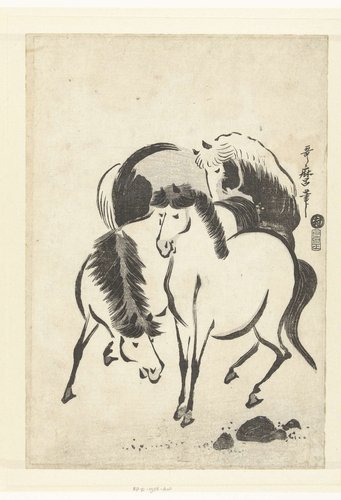
Produced over 2,000 known prints, also creating nature studies and illustrated books of insects
Experimented continuously with line, color, and printing techniques to reveal subtle differences in features, expressions, and backgrounds of subjects from diverse social classes
In 1804, arrested and manacled for fifty days for producing illegal prints depicting Toyotomi Hideyoshi, the 16th-century military ruler
The harsh punishment severely affected his health and artistic output
Died on October 31, 1806 (the 20th day of the 9th month of Bunka 3)
Given the Buddhist posthumous name Shoen Ryoko Shinshi
His student Koikawa Shuncho married Utamaro's widow and assumed the name Utamaro II, continuing to work under the name Kitagawa Tetsugo after 1820
Artheon Research Team
Last updated: 2025-11-28
Biography length: ~1,247 words
Wikidata/Wikimedia Commons