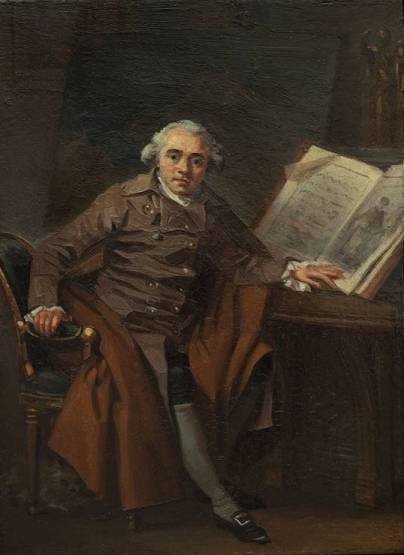
1739–1821
Occupations
Jean-Jacques Lagrenée II, born in Paris on September 18, 1739, was the younger brother of the esteemed painter Louis-Jean-François Lagrenée, known as Lagrenée l’aîné. He trained under his elder brother and studied at the École des Élèves Protégés, earning second place in the Prix de Rome competition in 1760. That year, he accompanied Louis to Saint Petersburg, where their brother served as court painter to Empress Elisabeth, before returning to France in 1762. Lagrenée briefly entered the Académie Royale's drawing school but soon pursued independent paths influenced by familial ties.
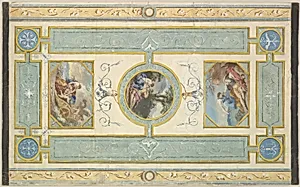
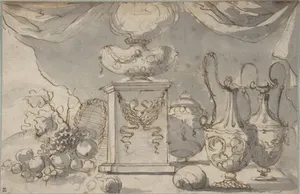
In 1765, Lagrenée traveled to Rome, residing there until 1769 and studying at the Académie de France, though not as an official pensionnaire. Immersed in classical antiquity, he intensively examined ancient Roman wall paintings and excelled as a ceiling decorator, creating admired arabesque compositions for the Palazzo Senatorio in 1768. Back in Paris, he was admitted to the Académie Royale in 1775 and received prestigious commissions, including religious paintings for the Cathédrale de Tours (Baptism of Christ), Cathédrale d’Anvers (two works), Château de Fontainebleau chapel (two scenes from Christ's life), and Paris Charterhouse (Presentation at the Temple). He also contributed to the Galerie d’Apollon with his "Winter" cartoon, exhibited at the Salon in 1775.
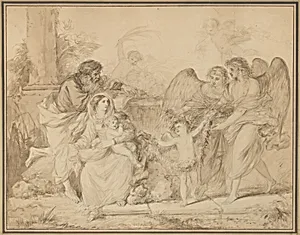
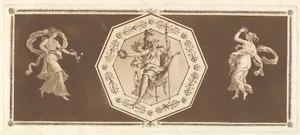
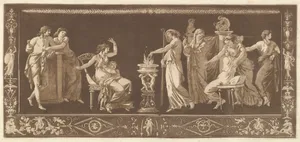
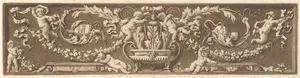
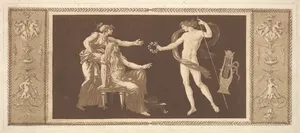
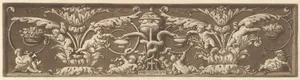
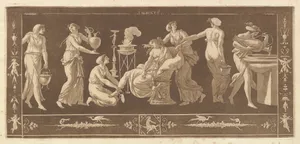
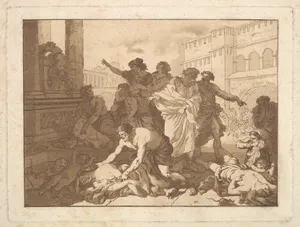
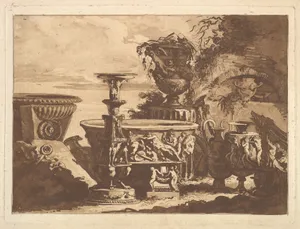
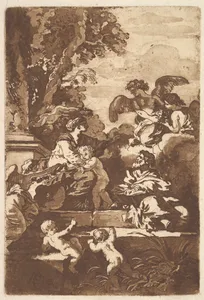
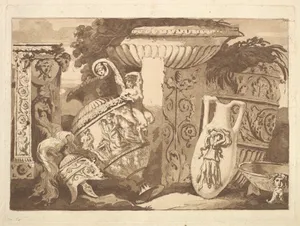
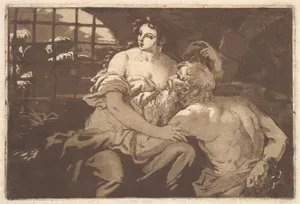
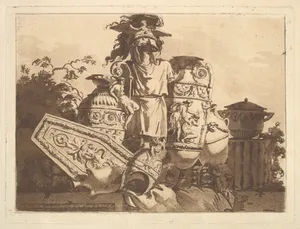
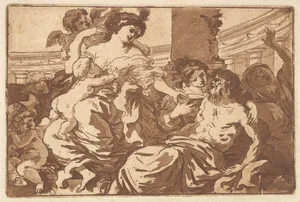
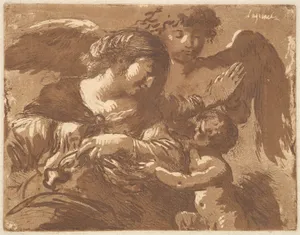
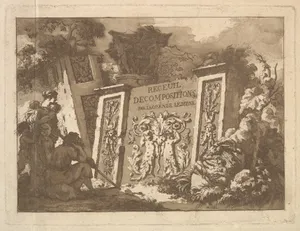
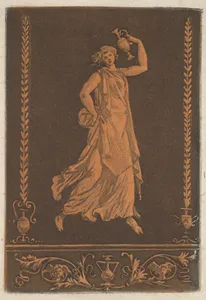
Lagrenée worked in the Neoclassical tradition, blending history, mythology, and portraiture with a fondness for classical motifs, frothy draperies, and warm, Correggio-inspired lighting. Notable works include *Helen Recognising Telemachus, Son of Odysseus*, *Rest on the Flight to Egypt* (Musée des Beaux-Arts, Rennes), *Diane and Endymion*, *Allegory Relative to the Establishment of the Museum in the Grande Galerie of the Louvre*, and ornamental friezes with antiquities (1780s, National Gallery of Art). From 1785 to 1800, he directed artistic production at the Sèvres porcelain factory, designing the Etruscan service for Marie-Antoinette’s Rambouillet dairy, and produced etchings after Pompeii models.
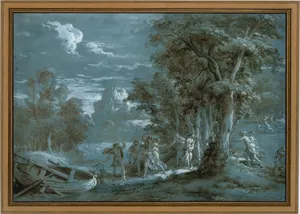
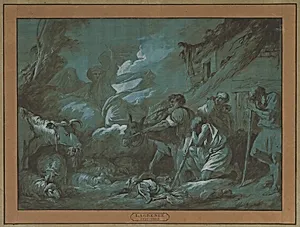
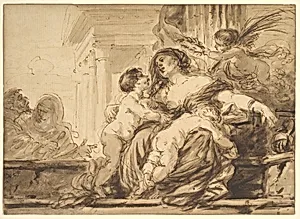
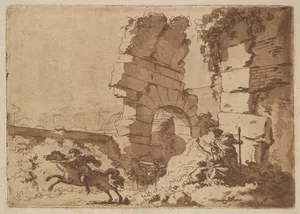
Exhibiting at Salons from 1771 to 1804, Lagrenée faded into obscurity after 1805. Though few paintings survive, his drawings grace institutions like the Louvre and Metropolitan Museum, preserving his legacy as a skilled decorator bridging Rococo elegance and Neoclassical rigor.
Wikidata/Wikimedia Commons