Ctrl K
1510–1576
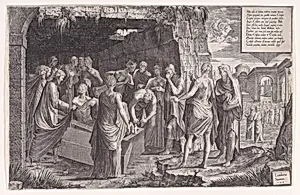
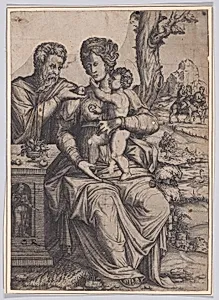
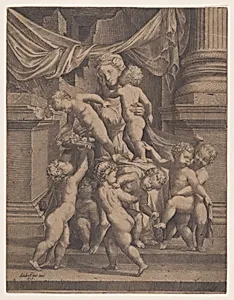
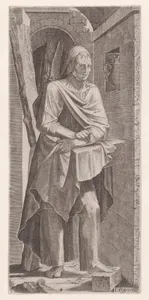
Lambert Suavius (c.1510–c.1574/76), whose Flemish family name was Zutman, was born in Liège, in the southern Netherlands. He was the son of an episcopal goldsmith, Henri Zutman, and from his father's craft environment he inherited a training in the precise handling of metal and an appreciation for fine detail work. He became closely associated with his brother-in-law Lambert Lombard, the leading artist in Liège and one of the principal conduits of Italian Renaissance ideas into the Netherlandish artistic world. Suavius registered as an independent master in 1539, the same year in which he acquired a glazier's stylus with a diamond point — a tool that supplemented the conventional engraver's burin and allowed him a wider range of tonal effects in his prints.
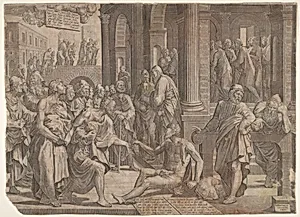
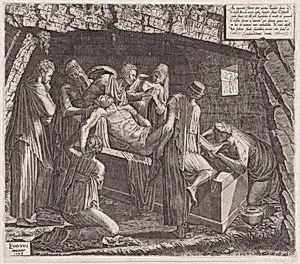
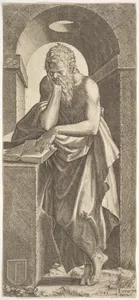
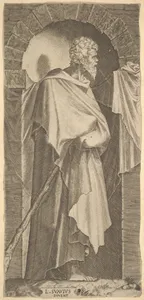
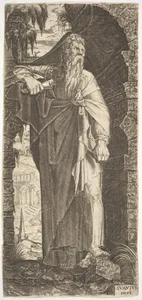
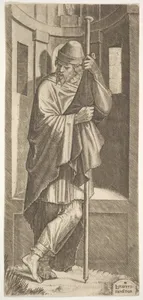
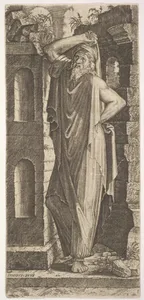
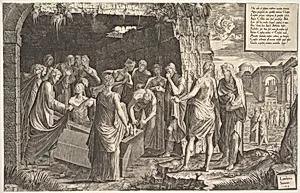
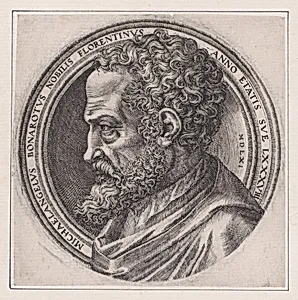
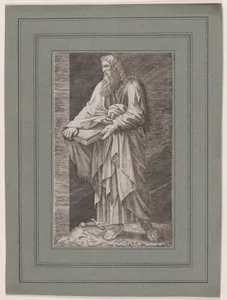
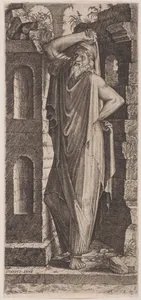
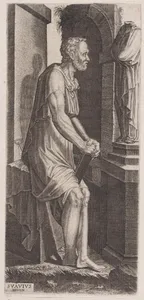
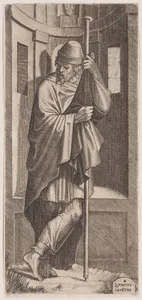
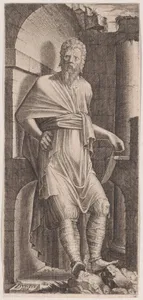
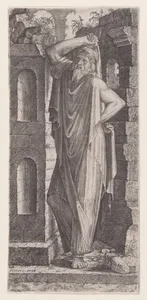
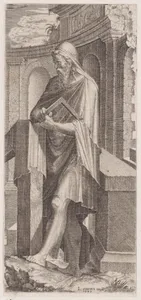
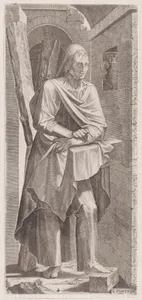
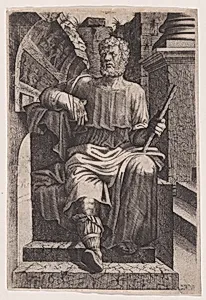
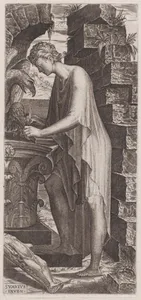
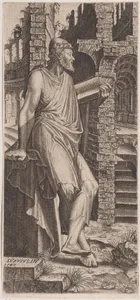
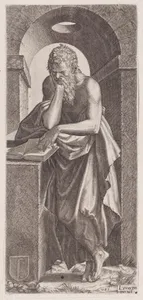
Suavius worked principally as an engraver and printmaker, producing images of religious subjects, mythological scenes, and portraits in a style that reflects the humanist intellectual culture of Liège as well as his careful study of Italian models. He travelled to Italy, probably in the 1550s, deepening his engagement with the Renaissance traditions that Lombard had introduced to him at home. The quality of his work attracted the attention of Giorgio Vasari, who praised Suavius in the Lives of the Artists — a remarkable recognition from the foremost art writer of the period for a Netherlandish printmaker working far from the Italian centres.
Suavius's prints display a technical refinement that matches the precision expected of a goldsmith's son. He was capable of achieving subtle gradations of tone through varied hatching systems, and his portrait engravings — including a celebrated portrait of Lambert Lombard — demonstrate an acute sensitivity to physiognomy and psychological presence. From the 1550s onward he worked in both Antwerp, the commercial capital of Northern European printmaking, and Frankfurt, eventually settling in the latter city.
Lambert Suavius died between 1574 and 1576, most likely in Frankfurt. While his name is less widely known today than those of the great Antwerp publishing dynasties he worked alongside, his prints circulated widely in his own lifetime and contributed to the rich exchange of artistic ideas between Italy and the Netherlands that defined the cultural climate of the mid-sixteenth century.