Ctrl K
1900–1973
Lawrence Flynn (1900–1973) was an American artist born in New Haven, Connecticut, where he attended the city's public schools. He pursued formal art training at the Art Students League in New York, studying anatomy under the renowned instructor George B. Bridgman, whose anatomical teachings profoundly influenced generations of artists. Flynn also honed his skills at the Yale School of Fine Arts, though details of specific mentors there remain sparse. After his studies, he worked in commercial art studios in both New York and New Haven, building a foundation in precise draftsmanship that would define his later career.
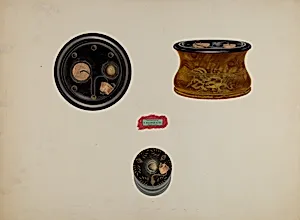
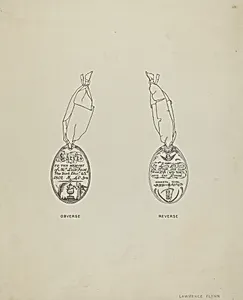
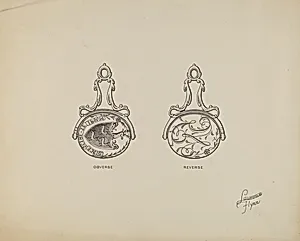
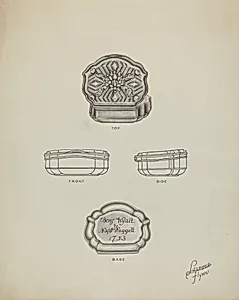
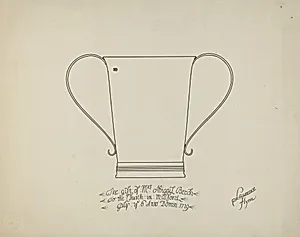
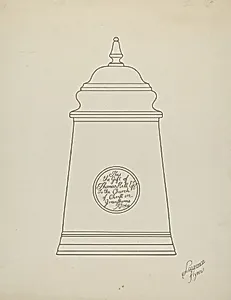
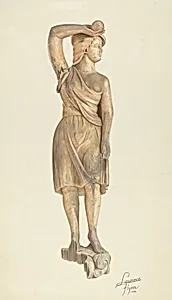
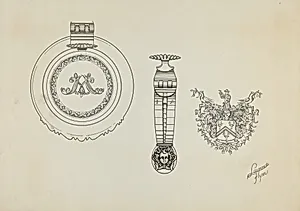
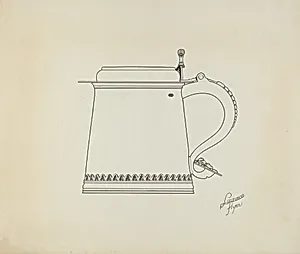
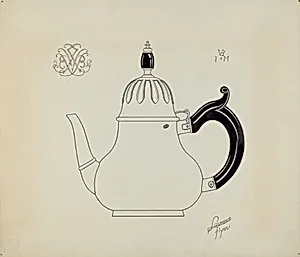
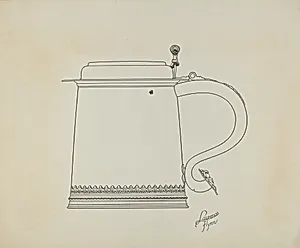
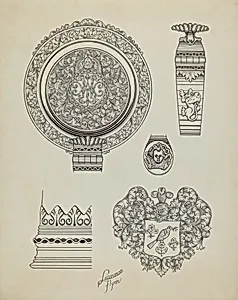
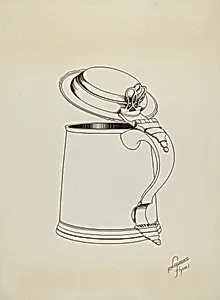
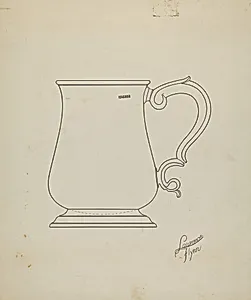
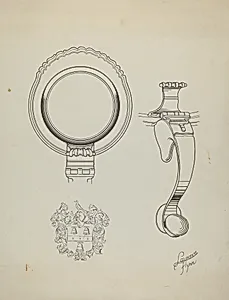
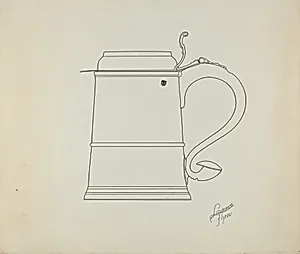
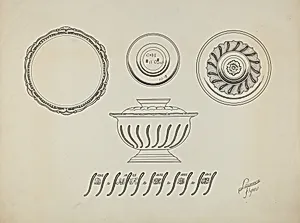
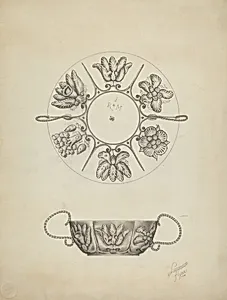
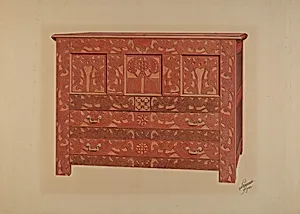
Flynn's most significant contributions came during the Great Depression through the Works Progress Administration's Federal Art Project. Between 1936 and 1941, he produced dozens of meticulously rendered plates for the Index of American Design, a monumental effort to document the nation's folk and decorative arts before they vanished. Working primarily in watercolor, gouache, colored pencil, graphite, and pen and ink on paperboard, Flynn captured the intricate details of everyday objects with photographic accuracy, aligning with the American Scene movement's emphasis on regional heritage. His focus on Connecticut crafts—stenciled furniture, silverware, and whimsical folk items—reflected a deep commitment to preserving regional traditions amid industrialization.
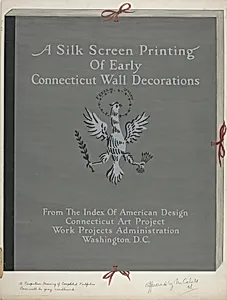
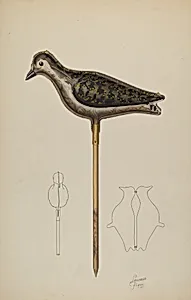
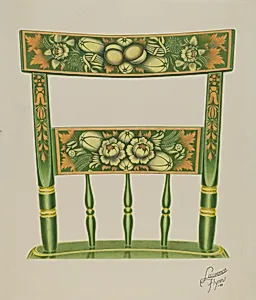
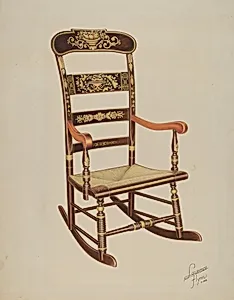
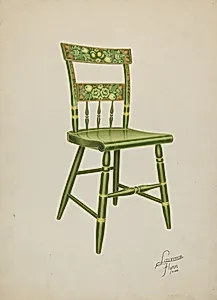
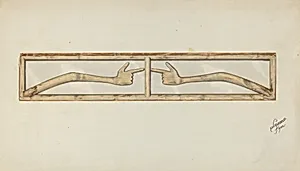
Among his standout works are the *Hitchcock Chair* (1936) and *Hitchcock Rocker* (c. 1936), vibrant depictions of iconic New England stenciled seating; the *Silver Tankard* (c. 1938–1939), a precise rendering of colonial silversmithing; *Carved Transom* (c. 1937); *Butter Mold—Burr Design* (c. 1937); and *Snipe Decoy* (1941). He also innovated with silk-screen techniques, as seen in *A Silk Screen Printing of Early Connecticut Wall Decorations* (c. 1941). The National Gallery of Art holds 58 of these pieces, showcasing his technical mastery.
Flynn's legacy endures through the Index of American Design, which provided an invaluable visual archive for scholars and revived interest in folk arts during a modernist era. His work not only safeguarded ephemeral crafts like Hitchcock chairs and Paul Revere-inspired silver but also bridged fine art and cultural documentation, influencing mid-20th-century American design studies. Though underrecognized today, Flynn's precise artistry reminds us of the quiet beauty in everyday American heritage.