Ctrl K
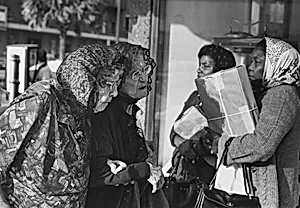
Leonard Freed (1929–2006) was born in Brooklyn, New York, to working-class Jewish parents of Eastern European descent. He initially aspired to be a painter, but discovered photography while travelling in the Netherlands and was swiftly captivated by its capacity for immediate, unmediated witness. Returning to the United States, he studied under Alexey Brodovitch at The New School in New York, absorbing lessons in composition and editorial vision from one of the most influential art directors of the twentieth century. This formal training shaped his instinct for the decisive image without blunting the raw urgency that distinguished his best work.
Freed's career as a documentary photographer was defined by his engagement with injustice and dislocation. In 1958 he photographed the Jewish community of Amsterdam; in 1961 he travelled to Berlin to document the newly constructed Wall, where a photograph of a solitary African American soldier standing before the barrier crystallised for him the paradox of a nation asking its Black citizens to defend freedoms they were themselves denied at home. That encounter drew him back to the United States to document the Civil Rights Movement between 1963 and 1965, a period of extraordinary social upheaval that he captured with compassion and moral precision. These images were published as Black in White America, which sold sixty thousand copies in its first printing and stands as one of the defining photographic documents of the era.
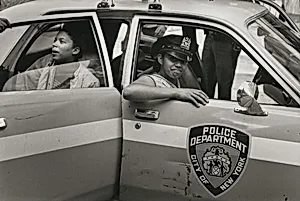
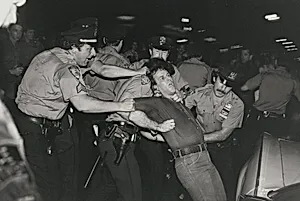
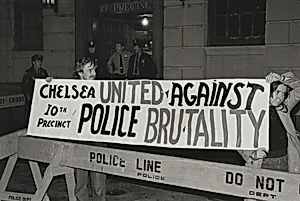
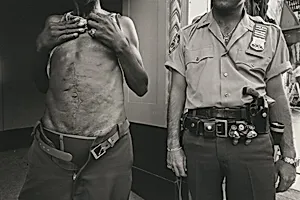
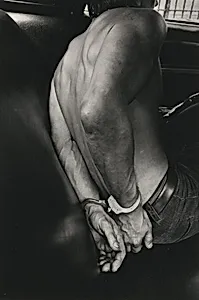
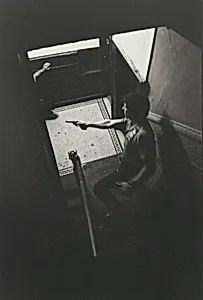
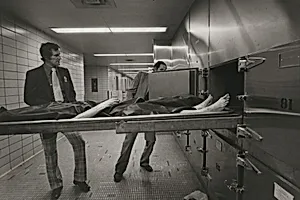
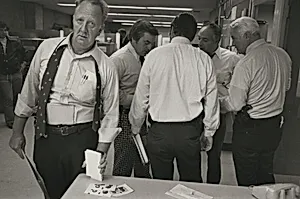
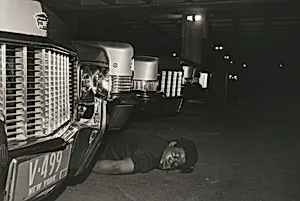
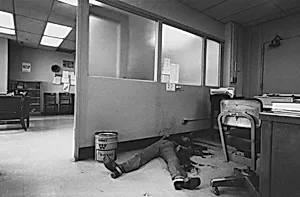
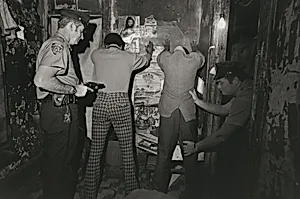
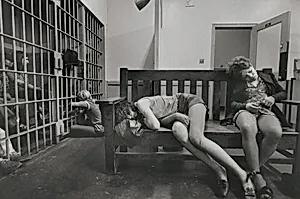
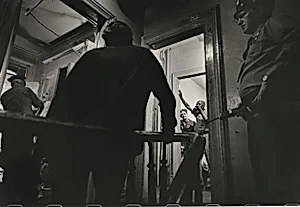
Freed joined Magnum Photos in 1972, the cooperative agency founded by Henri Cartier-Bresson, Robert Capa, and others, which provided the institutional framework for his subsequent decades of international work. His subjects ranged widely — the Yom Kippur War, the New York City police department, the aftermath of the Franco dictatorship in Spain, Asian immigration in England, and North Sea oil development — yet his approach remained consistent: patient, empathetic, and alert to the human particulars embedded in large social forces.
Freed died in Garrison, New York, in November 2006. His legacy rests not only on the breadth of his documentary record but on the quality of seeing he brought to every assignment: a photographer who understood that the most powerful images are those in which historical circumstance and individual humanity are held in equal focus.