Ctrl K
1561–1641
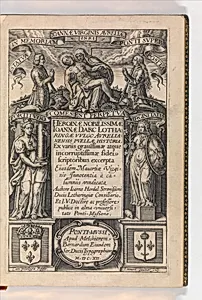
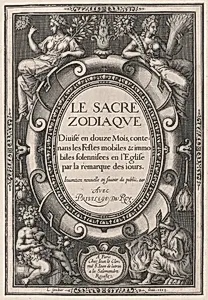
Léonard Gaultier, a prolific French engraver born in Mainz around 1561, established himself as a prominent printmaker and publisher in Paris, where he died in 1641. Operating from addresses like "A l'Arche de Noé" on rue du Monceau-Saint-Gervais by 1585, he produced book illustrations, frontispieces, title pages, broadsides, almanacs, and standalone prints, often collaborating with publishers such as Jean Leclerc IV and Jean Messager. His early life and training remain sparsely documented, with no confirmed teachers or formal schooling identified, though he quickly rose to prominence in the Parisian print trade during the reigns of Henry III, Henry IV, and Louis XIII.
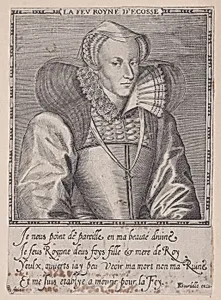
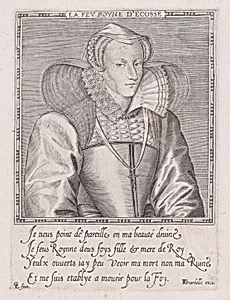
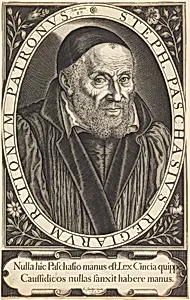
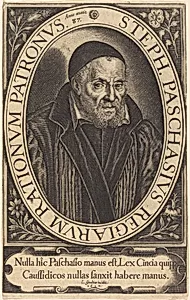
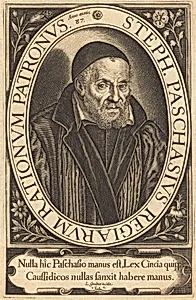
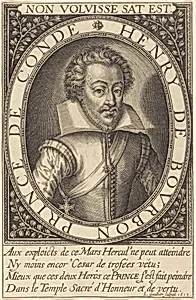
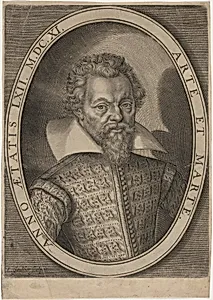
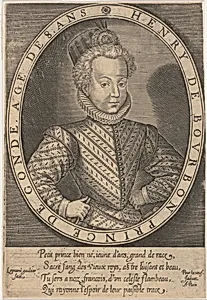
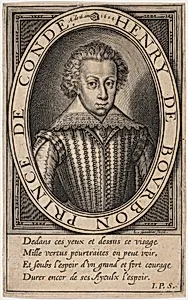
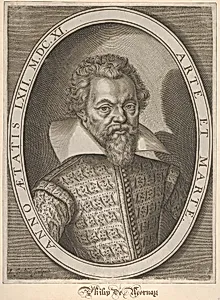
Gaultier's style, executed solely with the burin in meticulous cross-hatching, echoed the precise yet stiff formality of Flemish engravers like the Wierix family and Crispijn van de Passe the younger, bridging Mannerist intricacy with emerging Baroque clarity. His laborious technique yielded prints of remarkable detail, many derived from his own designs or those of contemporaries like Antoine Caron, Jean Cousin, and Martin Fréminet. Portraits dominated his oeuvre, capturing luminaries such as Henry IV of France, Étienne Pasquier (1617), Philippe de Mornay (1611), and Henry II de Bourbon, Prince de Condé (1604). He also crafted historical scenes like the Assassination of Henry IV, the Coronation of Marie de' Medici (1610), and the satirical Procession of the League, alongside religious series depicting prophets, apostles, evangelists, and Old and New Testament subjects.
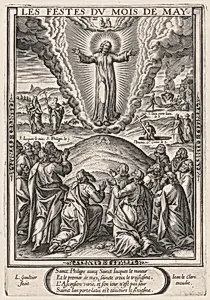
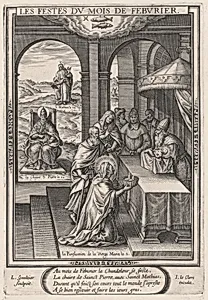
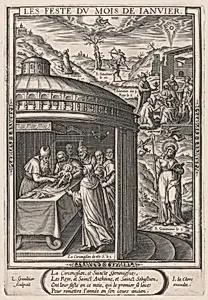
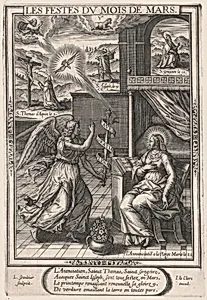
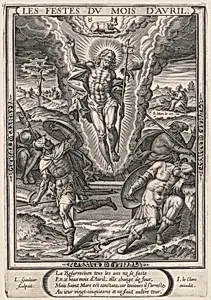
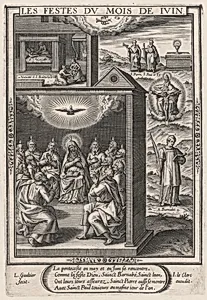
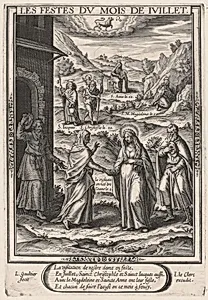
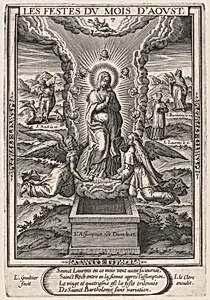
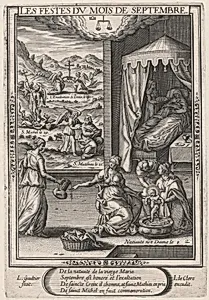
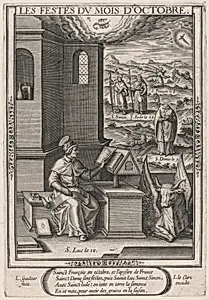
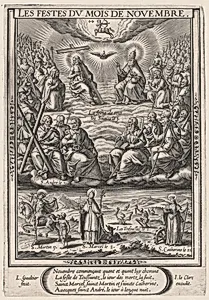
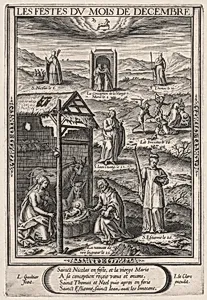
Among his ambitious projects were thirty-two plates illustrating the History of Cupid and Psyche after Raphael, a nine-figure Family of Henry IV, the Cyclops Forging Thunderbolts after Cousin (1581), A Sacrifice after Fréminet, and The Last Judgment adapted from Martin Rota's version of Michelangelo. Seasonal suites like Les Festes du Mois (e.g., February: Purification of the Virgin, 1603) and views such as Paris (1607) further showcased his versatility.
Gaultier's extraordinary output—over 800 prints cataloged by the Abbé de Marolles—cemented his legacy as one of the era's most industrious engravers, disseminating images of royalty, scholars, and scripture across Europe. His works, preserved in collections like the National Gallery of Art (114 pieces) and British Museum, illuminate the religious fervor, political upheavals, and cultural shifts of late 16th- and early 17th-century France, influencing stained glass and broader print culture.