Ctrl K
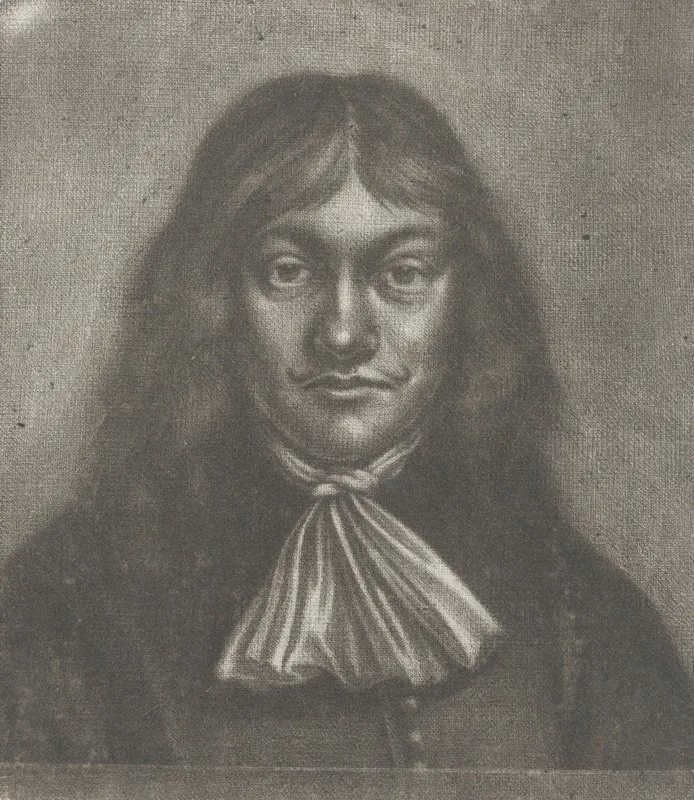
1630–1690
Occupations
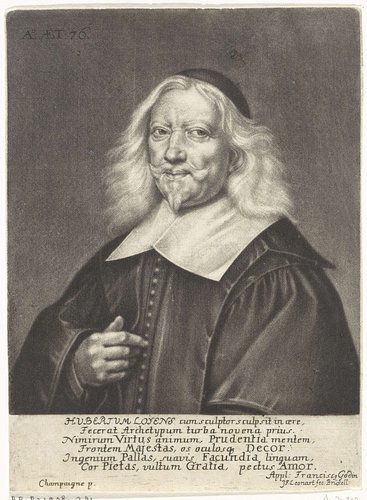
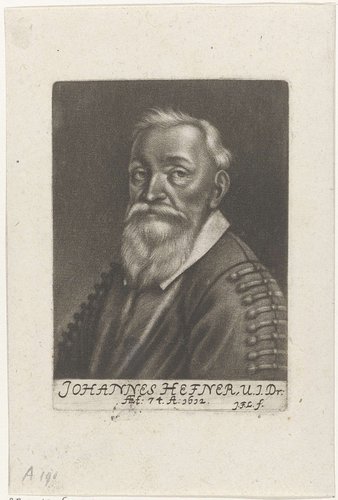
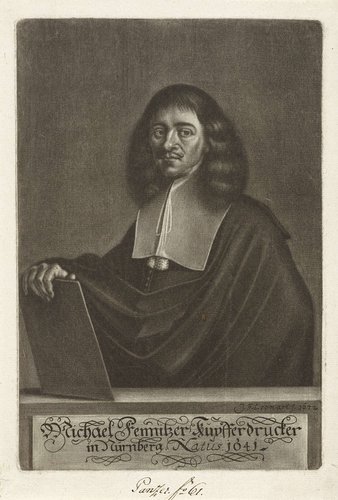
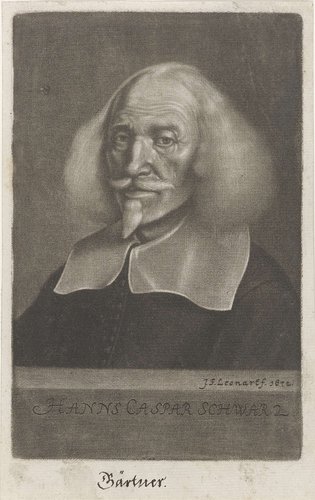
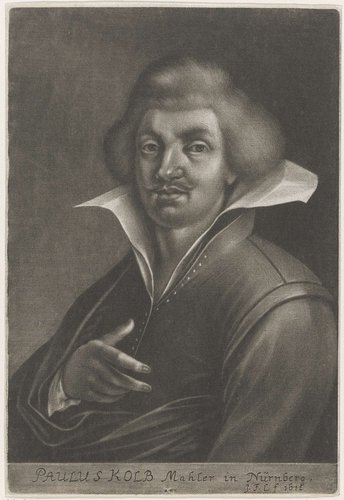
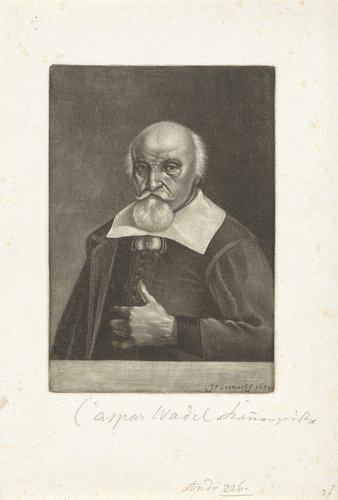
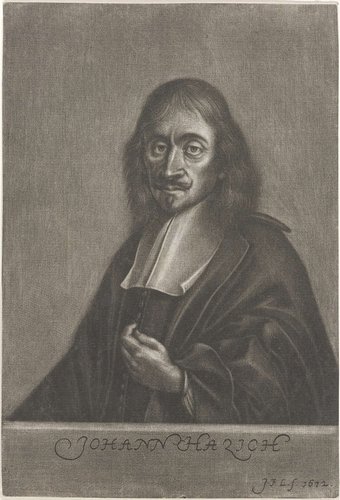
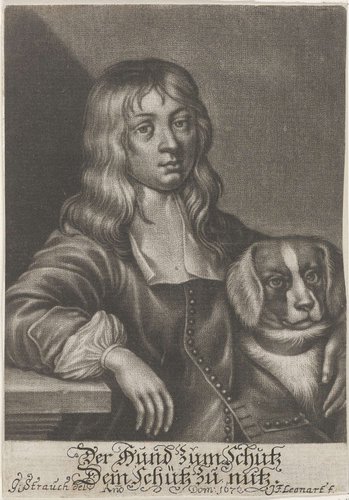
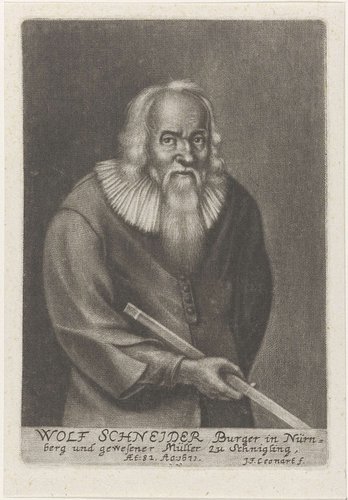
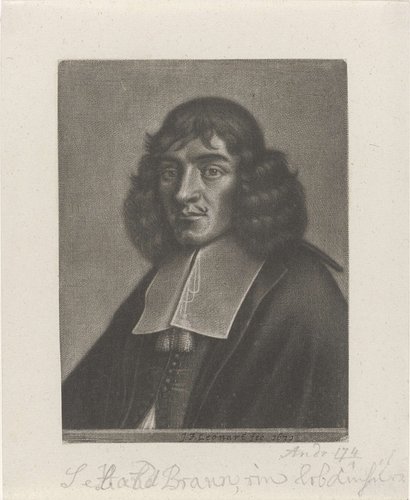
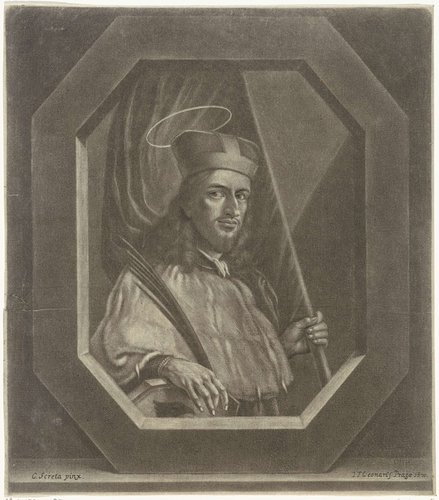
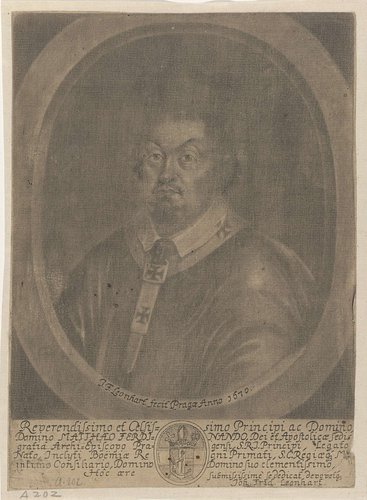
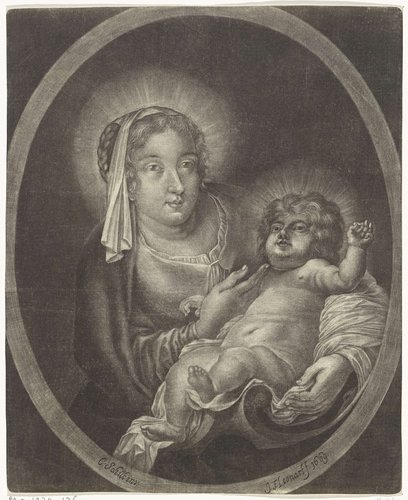
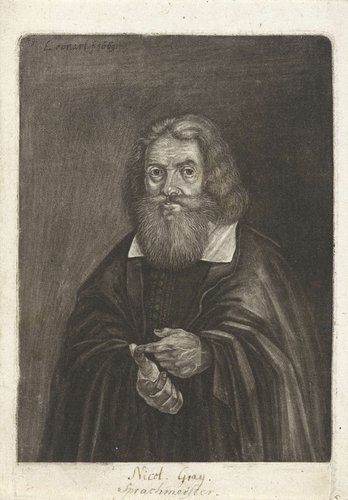
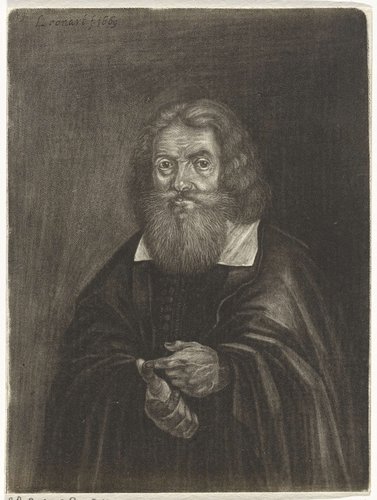
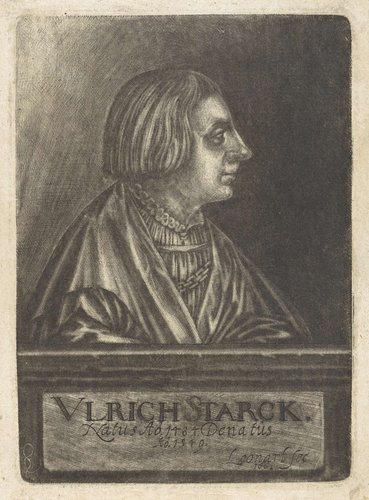
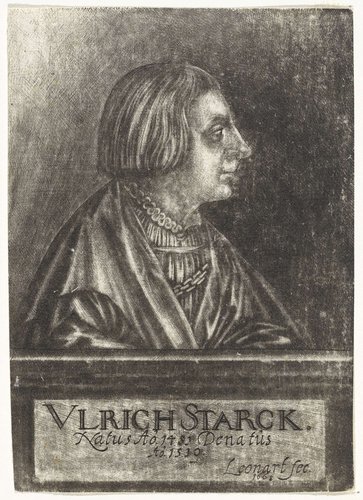
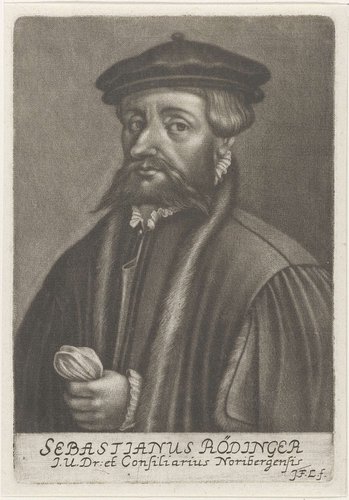
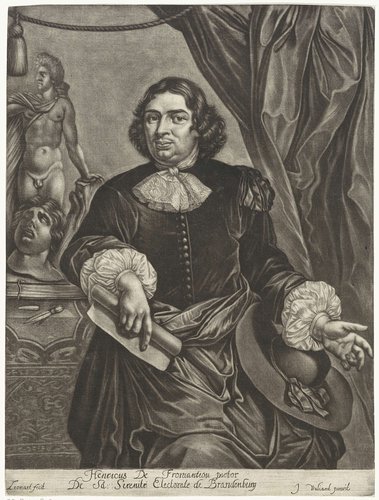
Johann Friedrich Leonhard (also spelled Leonard or Leonart, 1633–1680/87) was a German copperplate engraver and early practitioner of mezzotint who worked during the Baroque period, creating portraits and reproductive engravings after works by other artists. Though documentation of his life remains limited, his surviving works demonstrate mastery of engraving techniques and participation in the networks of printmaking that connected German artistic centers during the seventeenth century. His engravings after artists including Wenceslaus Hollar and Albrecht Dürer show his role in disseminating images of earlier masters' works to contemporary audiences.
Johann Friedrich Leonhard was born in 1633, with sources variously indicating Dünkirchen (Dunkirk) or Neuensalz, Thüringen as his birthplace. The uncertainty reflects the challenges of biographical research for artists of this period who, while professionally active, did not achieve the level of fame that ensured careful documentation of their lives. Different sources also provide conflicting information about where he died—either Berlin or Nürnberg (Nuremberg)—and when, with dates ranging from 1680 to 1687.
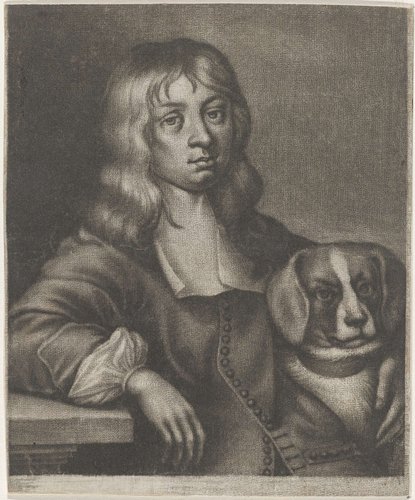
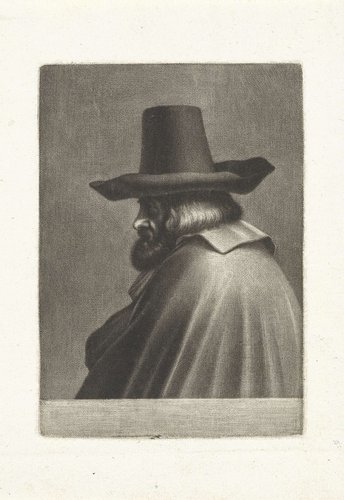
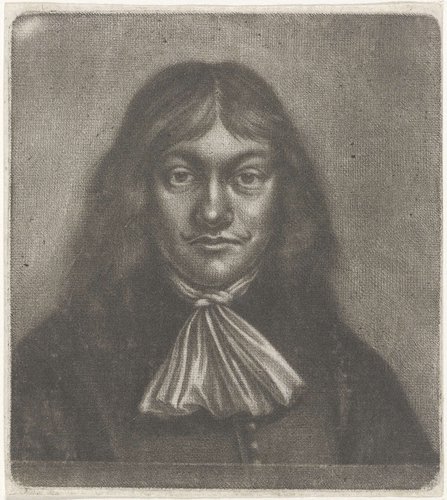
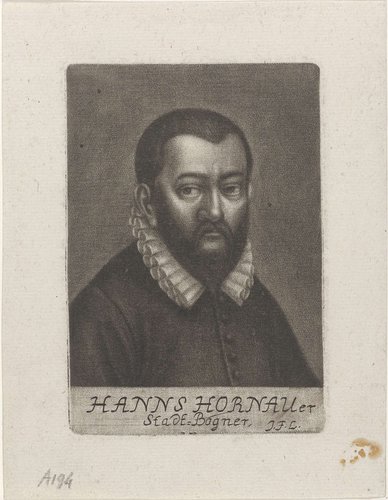
Leonhard worked as a copperplate engraver and was described as a Schabkünstler (mezzotint artist), indicating his practice of this relatively new printmaking technique. Mezzotint, invented around 1640, involved roughening the entire surface of a copper plate and then selectively smoothing areas to create images from dark to light. The technique allowed for rich tonal effects and subtle gradations impossible with traditional line engraving, making it particularly effective for reproducing paintings and creating portraits with atmospheric effects.
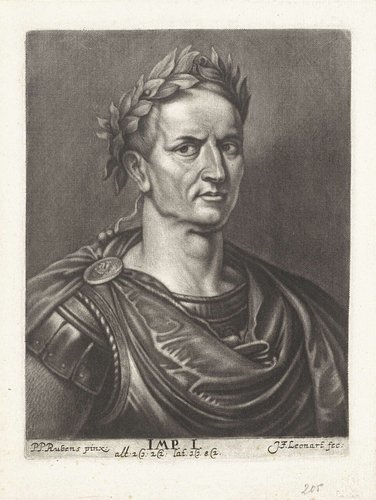
Documentation from Getty Images shows Leonhard active between 1643 and 1680 as a printmaker, creating various portraits including those of Emperor Galba (the Roman emperor) and Paulus Grundherr, demonstrating his work in both historical and contemporary portraiture. His portrait engravings would have served multiple purposes: commemorating important individuals, circulating their likenesses, and contributing to historical and educational publications.
Leonhard created engravings after other artists' works, functioning as a reproductive engraver who translated paintings and drawings into prints. His engraving 'Woman with Coiled Hair after Dürer' (c. 1660), which was itself after Wenceslaus Hollar's work, demonstrates the complex chains of artistic transmission common in this period. Hollar (1607–1677), one of the great master etchers of the seventeenth century, frequently reproduced Dürer's works, and Leonhard in turn created engravings after Hollar's etchings, extending the reach of Dürer's imagery to even broader audiences.
Working during the Baroque period in German-speaking lands, Leonhard operated in an artistic environment still recovering from the devastations of the Thirty Years' War (1618–1648), which had severely disrupted German cultural life. The post-war period saw gradual recovery and the reestablishment of artistic production, though German printmaking never fully regained the dominance it had enjoyed during the Renaissance when Dürer and others had established German engraving as Europe's finest.
Artheon Research Team
Last updated: 2025-11-09
Biography length: ~573 words
Wikidata/Wikimedia Commons