Ctrl K
1820–1908
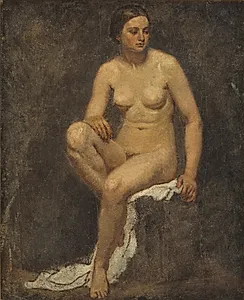
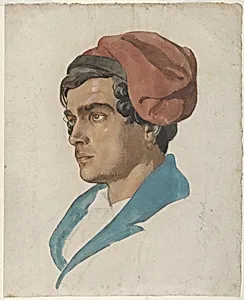
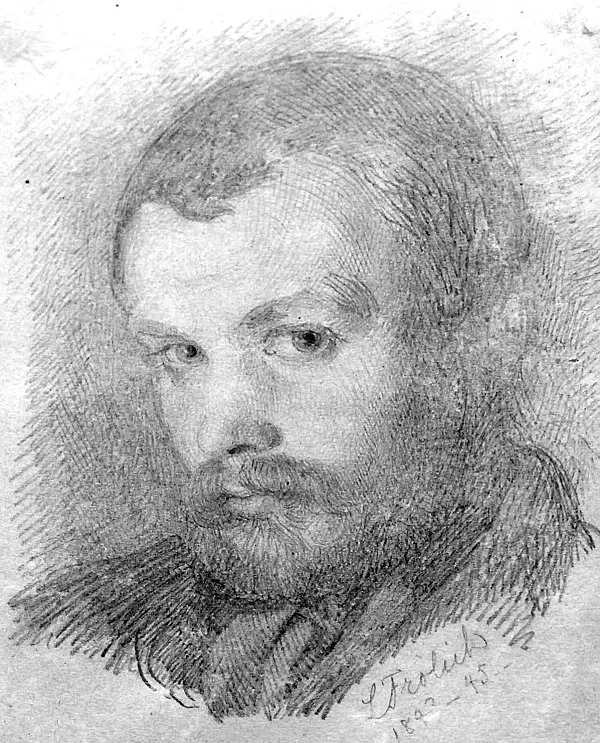
**Lorenz Frølich (1820–1908) was a Danish painter, illustrator, graphic artist, and etcher whose career bridged traditional academic training with a celebrated international reputation for book illustration.** Born into a wealthy bourgeois family in Copenhagen on 25 October 1820, he showed an early talent for drawing. He received private instruction from Martinus Rørbye starting in 1833, and later from Christen Købke and Christoffer Wilhelm Eckersberg. He continued his studies abroad, training in Dresden under Eduard Julius Bendemann from 1843 to 1846 and in Paris under Thomas Couture from 1852 to 1853, while spending significant time in Rome and Paris.
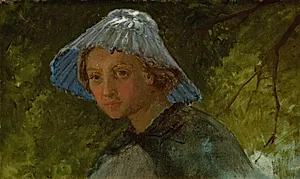
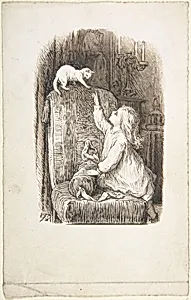
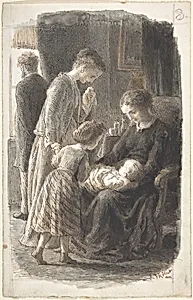
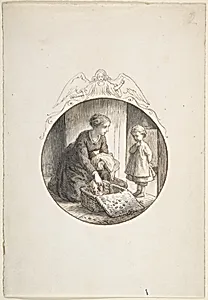
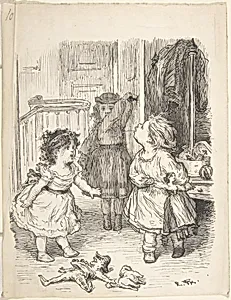
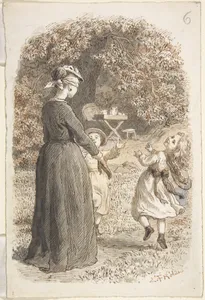
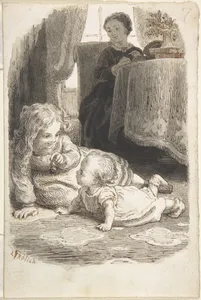
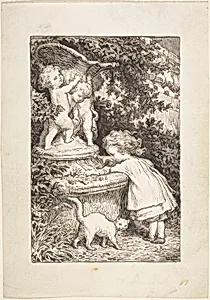
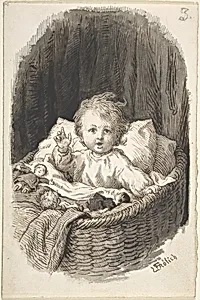
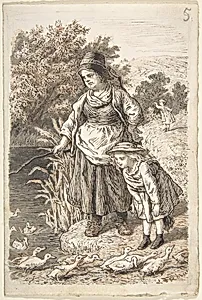
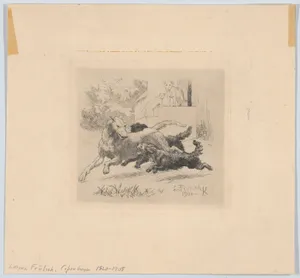
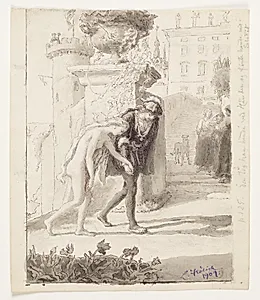
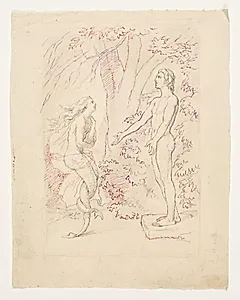
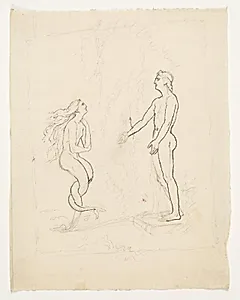
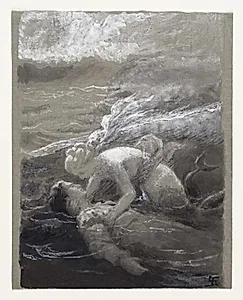
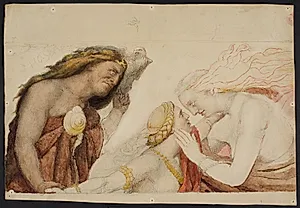
Frølich built an international career primarily as an illustrator, producing popular children’s books in collaboration with the French publisher Pierre-Jules Hetzel. His daughter Edma Frølich often served as his model for these French albums. He created original etchings for works such as *Illustreret Danmarkshistorie for Folket* by Adam Kristoffer Fabricius and illustrated Nordic mythology texts, including editions of Adam Gottlob Oehlenschläger’s poems and Karl Gjellerup’s *Den Ældre Eddas Gudesange*. Among his paintings are *King Harald Bluetooth* (1840) and *Cupid and the Water-Sprite* (1845). He also executed decorative works, including murals for the Court of Appeals in Flensburg and public buildings in Denmark; later, tapestries based on his Nordic mythology cartoons adorned a room in Copenhagen’s City Hall.
In 1855 Frølich married Carolina (Lina) Charlotta in de Betou; their daughter Edma (1859–1958) became a painter herself. Appointed professor at the Royal Danish Academy of Art in Copenhagen in 1877, he remained active into old age. Carl Nielsen composed a cantata for his eightieth birthday celebration in 1900. Frølich died in Hellerup on his birthday in 1908. His illustrations, widely reproduced and influential across Europe, form his most enduring legacy, earning him recognition as one of Denmark’s foremost graphic artists of the nineteenth century.