Ctrl K
1855
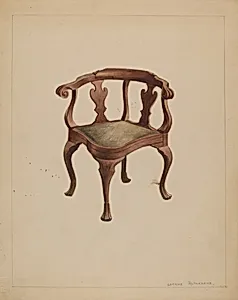
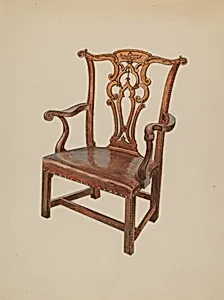
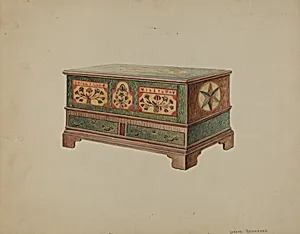
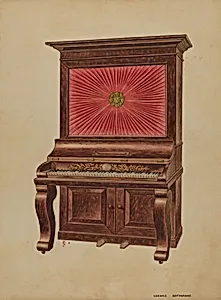
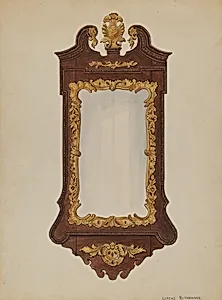
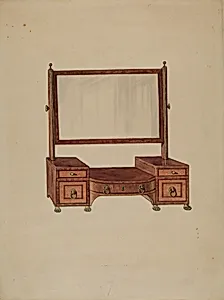
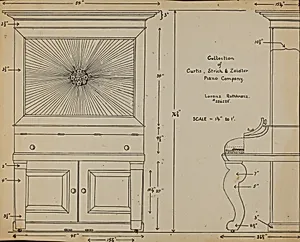
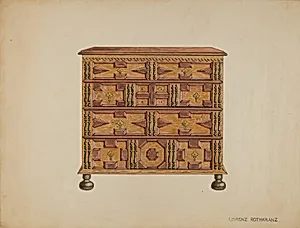
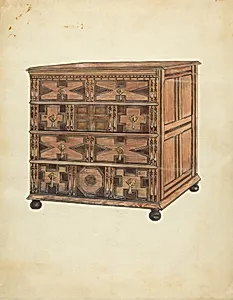
Lorenz Rothkranz (1898–1970) was an American artist best known for his meticulous contributions to the Index of American Design, a Federal Art Project under the Works Progress Administration (WPA) during the Great Depression. Born on April 10, 1898, in Manhattan, New York, Rothkranz captured the essence of early American folk art and decorative objects through highly detailed watercolor renderings. Active primarily in the late 1930s, he produced dozens of works documenting antique furniture and household items, preserving their craftsmanship for future generations. His output forms a significant portion of the National Gallery of Art's Index collection, which includes 30 pieces attributed to him.
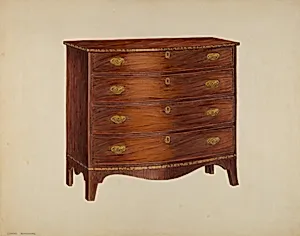
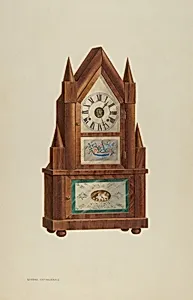
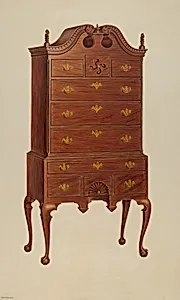
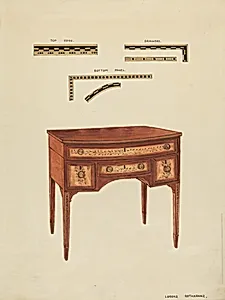
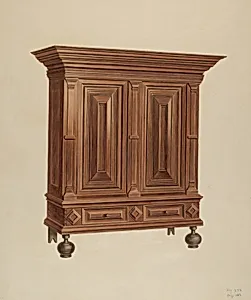
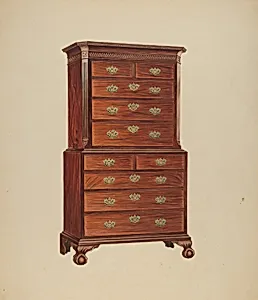
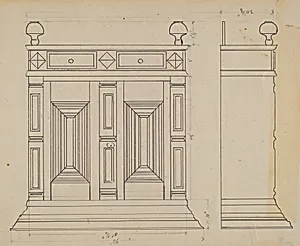
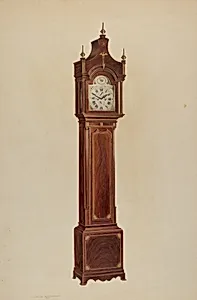
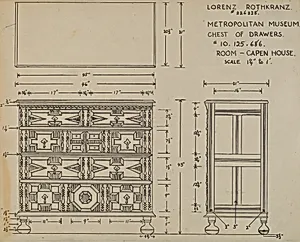
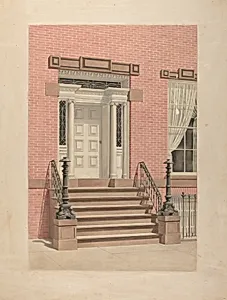
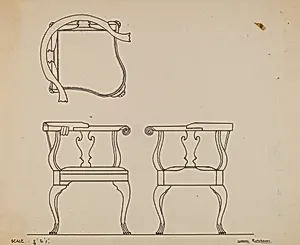
Rothkranz's style exemplifies the Index's emphasis on technical precision and historical accuracy, employing watercolor, colored pencil, pen and ink, gouache, and graphite on paperboard to replicate textures, grains, and aging with photographic realism. His subjects ranged from tall case clocks and highboys to kas cupboards and spinning wheels, often highlighting Pennsylvania German or colonial influences. Notable examples include *Tall Clock* (c. 1938), *Chest of Drawers* (c. 1939), *Highboy* (c. 1939), *Kas* (c. 1938), and *Entrance to Cutting House* (c. 1938), each showcasing intricate joinery and ornamental details. He occasionally collaborated, as seen in *Shelf Clock* (c. 1938) with Bernard Gussow, blending their skills to document complex mechanisms. These works not only served as artistic endeavors but also as scholarly records, aiding in the study of American material culture.
Though details of Rothkranz's early training remain sparsely documented, his proficiency suggests a background in commercial illustration or fine arts attuned to New York's vibrant art scene. Relocating later in life to Fishkill, New York, he passed away in September 1970 at age 72. Rothkranz's legacy endures through the enduring accessibility of his Index drawings, which continue to educate on America's vernacular design heritage. Housed prominently at the National Gallery of Art, they inspire contemporary designers and historians, underscoring the WPA's role in elevating everyday objects to icons of national identity.