Ctrl K
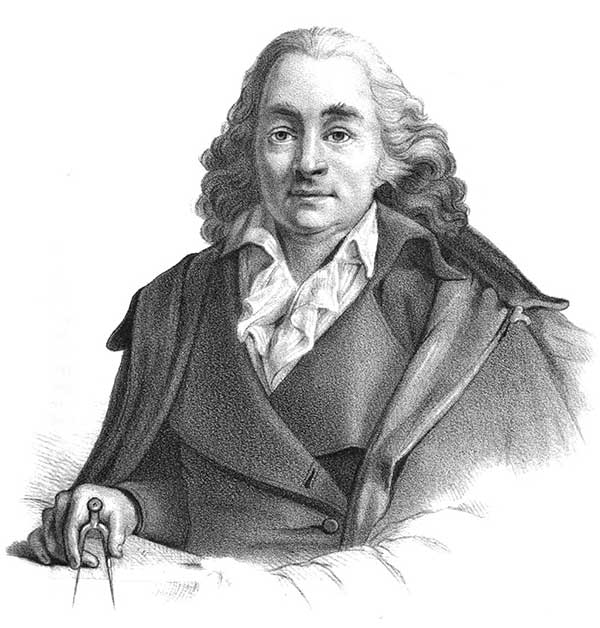
1743–1804
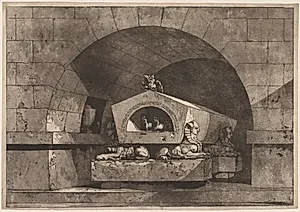
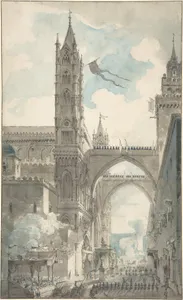
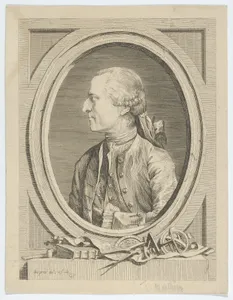
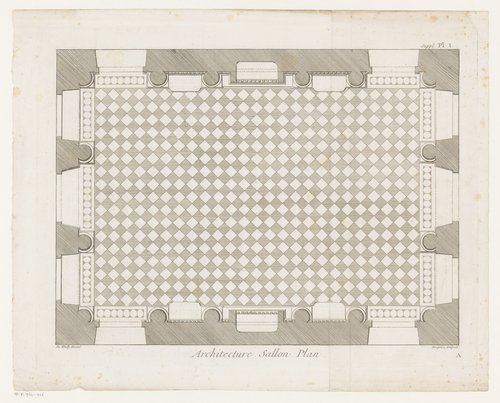
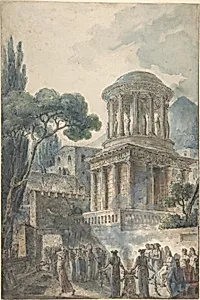
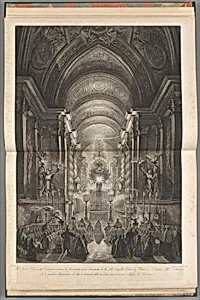
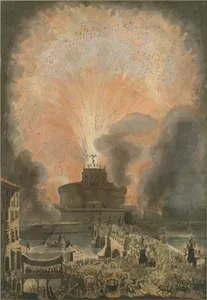
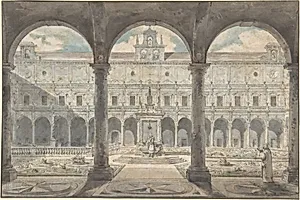
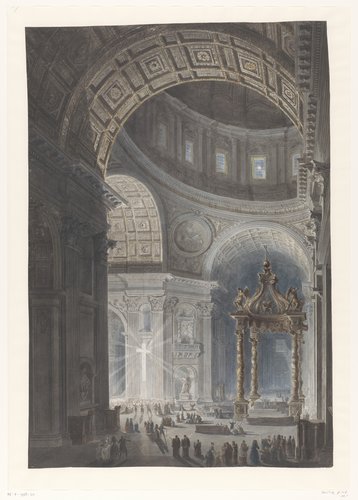
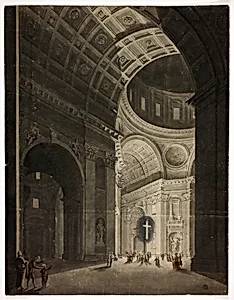
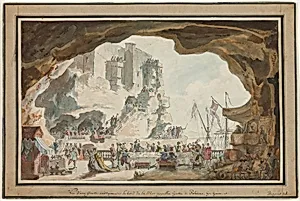
Louis Jean Desprez (1743–1804), born in Auxerre to a wig-maker father and widowed mother, began his artistic training as a twelve-year-old apprentice under engraver Charles-Nicolas Cochin in Paris in 1755. He later studied at the Académie royale d'architecture, sponsored by architect Pierre Desmaisons, and became a pupil of Charles de Wailly from 1768 to 1776, embracing neoclassicism inspired by Italian models, as well as engineer Jean-Rodolphe Perronet. Desprez served as drawing professor at the École militaire and published designs in Jacques-François Blondel's *Cours d'Architecture* in 1770. Winning the Grand Prix d'Architecture de Rome in 1776 propelled him to Italy, where he resided from 1777 to 1784 at the Académie de France à Rome, collaborating with the abbé de Saint-Non on illustrations for *Voyage pittoresque*—topographical drawings of Naples, Sicily, and Pompeii ruins—and associating with Giovanni Battista Piranesi.
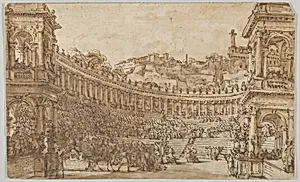
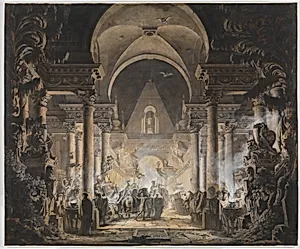
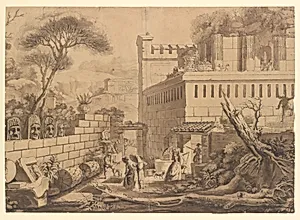
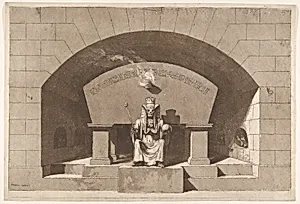
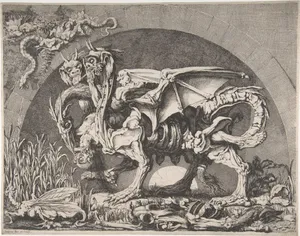
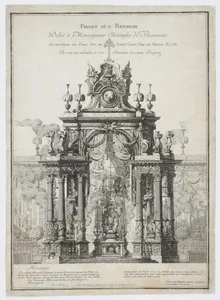
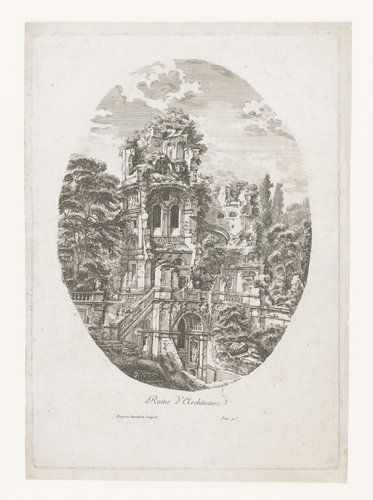
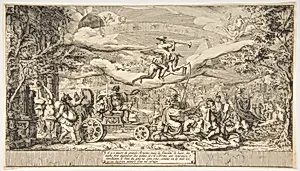
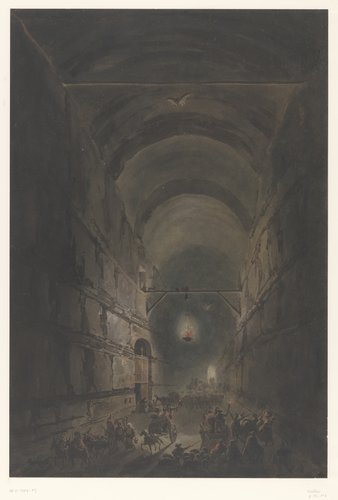
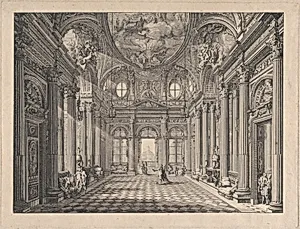
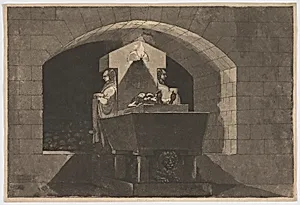
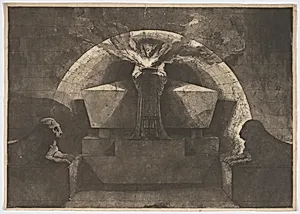
In 1784, King Gustav III of Sweden, encountered in Rome, summoned Desprez to Stockholm as director of scenic decorations for the new Royal Opera, revolutionizing stage design with dramatic, macabre neoclassical sets blending ruins, tombs, and grotesque elements that presaged Romanticism. He created scenery for operas like *Gustaf Wasa* (1786), *La Reine Christine* (1785), *Gustave Vasa* (1786), and *Armide* (1787), as well as outdoor spectacles at Drottningholm Palace. Appointed premier architecte du Roi in 1788, Desprez worked in a monumental neoclassical style influenced by Greco-Roman antiquities, designing the unrealized Haga Palace, Hämeenlinna Church in Finland (completed 1799), Uppsala Botanical Garden conservatory (inaugurated 1807), Villa Frescati (1791–92), and the Déjeuner Salon at Drottningholm.
Gustav III's assassination in 1792 ended Desprez's favor; despite continued teaching and minor commissions like the Slottsbacken obelisk (1800), he received no major projects from Gustav IV Adolf and died in poverty in Stockholm. Alongside Nicolas-Henri Jardin, he introduced neoclassicism to Scandinavia, leaving a legacy of innovative scenography and architecture preserved in Swedish collections like Nationalmuseum and Drottningholm Teatermuseum, his dramatic visions bridging Enlightenment rationality and pre-Romantic fantasy.