Ctrl K
1636–1707
Lodovico Ottavio Burnacini (1636–1707), born into an artistic family in northern Italy—likely Venice—was the son of the renowned theater architect Giovanni Burnacini from Cesena and his wife Grazia. From a young age, he studied under his father, mastering theater architecture, intricate stage machinery, and set design amid Venice's vibrant carnival culture and Commedia dell'arte performances. The family, including Burnacini's four siblings—Giustina, Costanza, Giacomo, and Antonio Felice—relocated to Vienna in 1651 at the invitation of Emperor Ferdinand III, where Giovanni served as imperial theatrical engineer. Following his father's death in 1655, the young Burnacini assumed responsibility for the family and, by 1659, secured lifelong appointment as imperial court architect and stage designer under Emperor Leopold I.
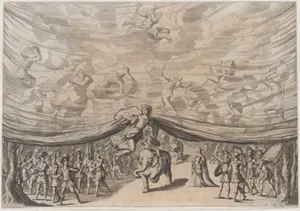
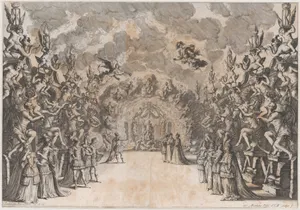
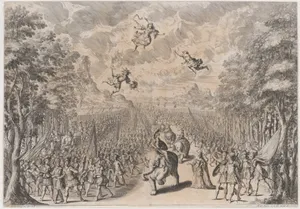
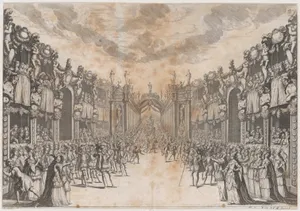
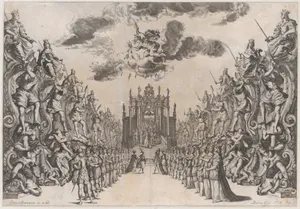
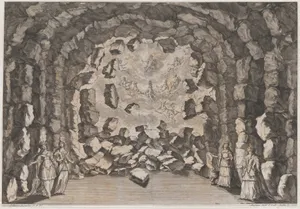
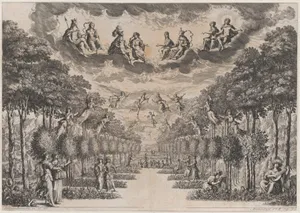
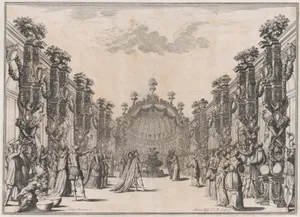
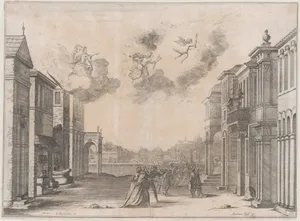
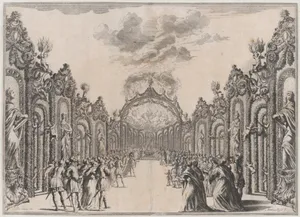
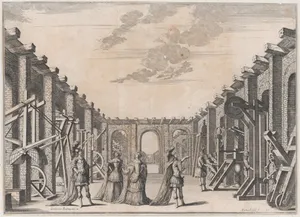
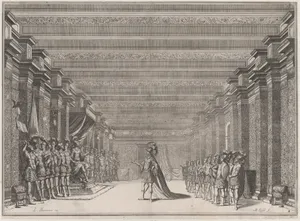
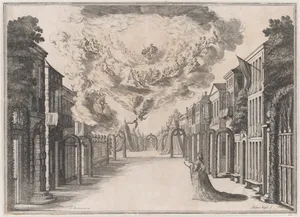
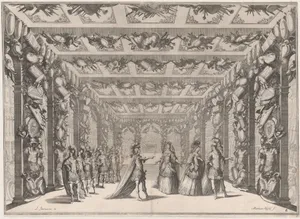
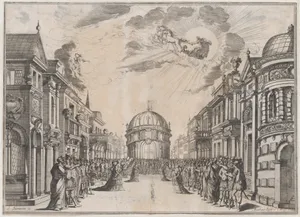
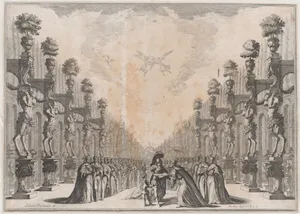
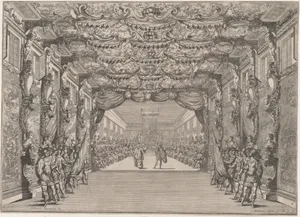
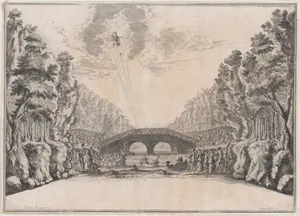
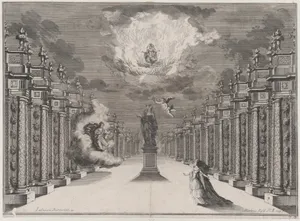
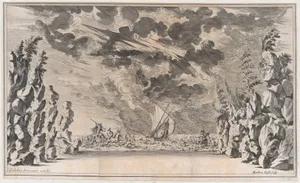
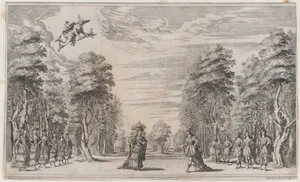
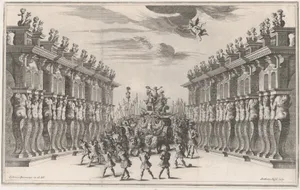
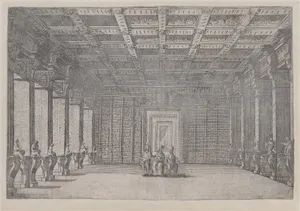
Burnacini's career flourished in the Habsburg court, where he orchestrated opulent spectacles for operas, ballets, weddings, and state events, blending engineering prowess with Baroque extravagance. He designed convertible stage sets using canvas flats for rapid scene changes, drawing from Venetian traditions. His masterpiece was the scenography for Antonio Cesti's *Il pomo d'oro* (1668), celebrating Leopold I's wedding with 23 elaborate sets—including hellish underworlds and divine palaces—engraved by Matthäus Küsel. Other triumphs included sets for *La monarchia latina trionfante* (1678) with Johann Heinrich Schmelzer, *L'inganno d'Amore* (1653) by Benedetto Ferrari, and *Il fuoco eterno delle Vestali* (1674) by Antonio Draghi. He built Vienna's Comedy House on Rosstummelplatz (1659) and Theater auf der Kurtine (1666–1668), pioneering multi-backdrop theaters for thousands.
Beyond theater, Burnacini contributed to architecture, rebuilding Laxenburg and Ebersdorf Castles post-1683 Turkish siege, reconstructing Favorita Palace, and drafting Vienna's iconic Plague Column (executed 1687). His style fused grotesque Commedia dell'arte figures—dwarves as giants, men as women—with mythological grandeur, evident in 410 surviving drawings at Vienna's Theatermuseum, capturing masks, floats, and landscapes. Collaborating with luminaries like Johann Bernhard Fischer von Erlach, he elevated Viennese Baroque festival culture. Married thrice but childless, Burnacini's legacy endures in his innovative machinery, engravings disseminated across Europe, and influence on 18th-century scenographers, cementing his status as Baroque Europe's preeminent theater engineer.