Ctrl K
1855
M. Rosenshield-von-Paulin was an American artist active around 1935, best known for their contributions to the Index of American Design, a Federal Art Project initiative under the Works Progress Administration (WPA). During the Great Depression, this New Deal program commissioned artists to create thousands of watercolor renderings documenting American crafts, furniture, and decorative arts, preserving cultural heritage through meticulous illustrations. Little is known about Rosenshield-von-Paulin's early life or formal training, as biographical details remain scarce in available records.
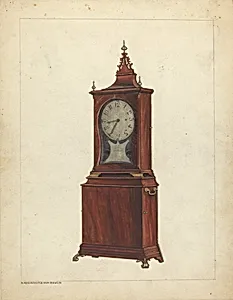
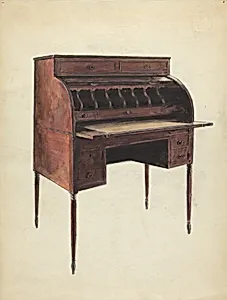
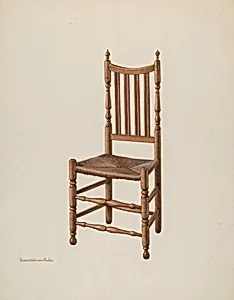
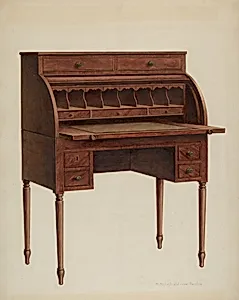
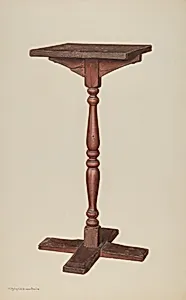
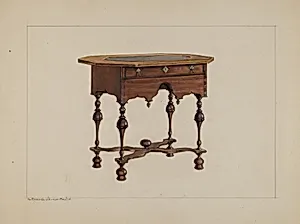
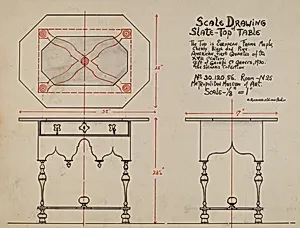
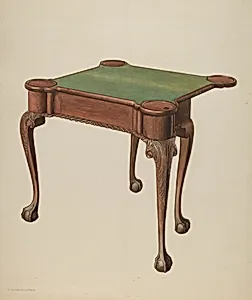
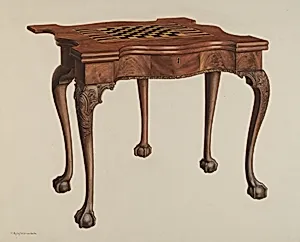
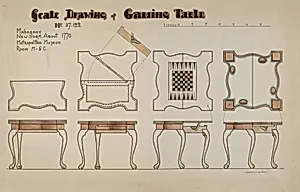
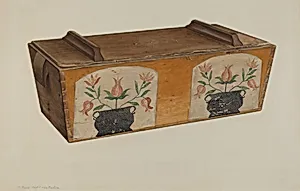
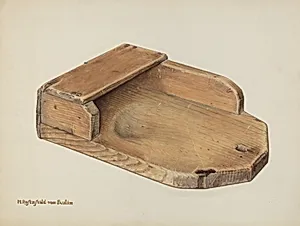
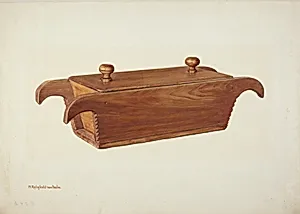
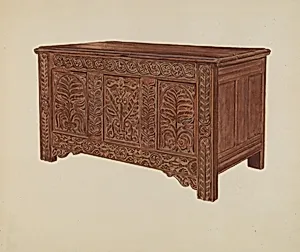
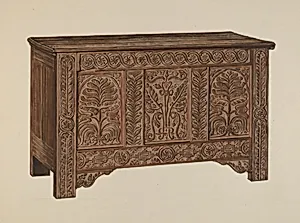
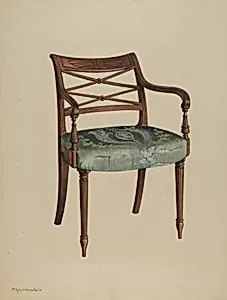
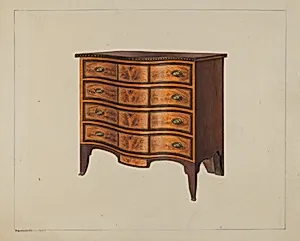
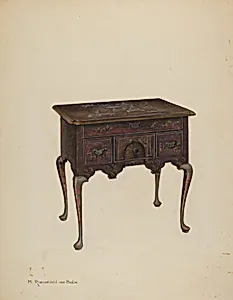
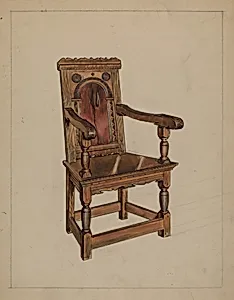
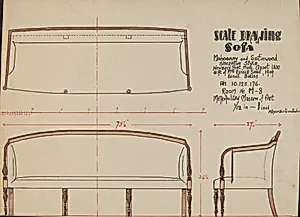
Rosenshield-von-Paulin specialized in detailed depictions of furniture, employing watercolor, gouache, colored pencil, graphite, pen and ink on paper or paperboard to capture textures, forms, and historical significance with precision. Their style emphasized functionality and clean lines, evident in renderings of both traditional and modernist-inspired pieces, such as slate-top tables with wooden bases showcasing sleek, practical designs. The National Gallery of Art holds 53 such works, forming a substantial portion of the artist's known oeuvre.
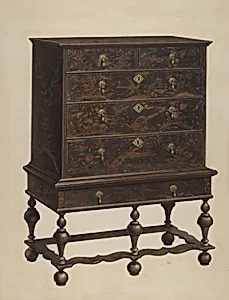
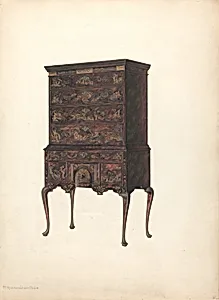
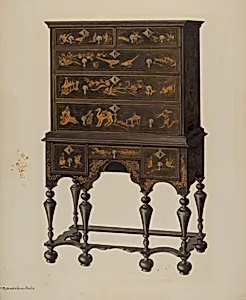
Among the standout pieces are the *Highboy* (1940), a tall chest with ornate proportions; *Chest of Drawers* (c. 1938); *Wing Chair* series (c. 1936), highlighting upholstered comfort; and *Slate-top Table* (c. 1940), blending natural stone with geometric woodwork. Other notable designs include roll-top desks, side chairs, and banjo clocks, all executed between 1935 and 1942.
Though personal details elude historians, Rosenshield-von-Paulin's output endures as a vital record of American material culture, influencing studies of design history and folk art. Their illustrations, now digitized and publicly accessible, continue to educate on the evolution of furniture from colonial highboys to mid-20th-century innovations, underscoring the WPA's role in supporting artists while safeguarding national identity.