Ctrl K
1515–1527
Marco Dente (died 1527), also known as Marco da Ravenna, was among the most accomplished printmakers working in Rome during the High Renaissance, a period that witnessed an extraordinary flowering of engraving as both a reproductive and an independent artistic medium. Little is known of his early training, but by the second decade of the sixteenth century he had established himself in the orbit of Marcantonio Raimondi, the preeminent engraver of the age and the figure most responsible for disseminating Raphael's compositions across Europe through the printed image.
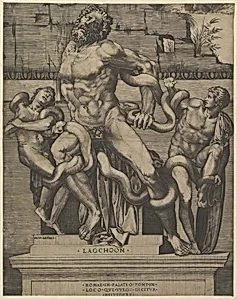
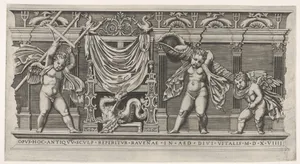
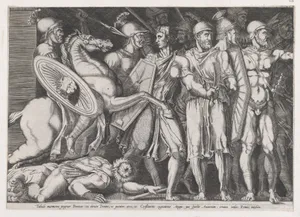
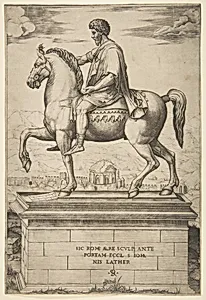
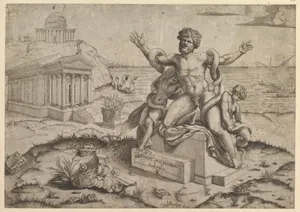
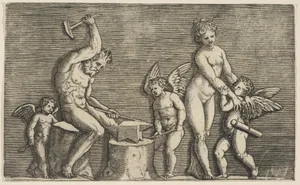
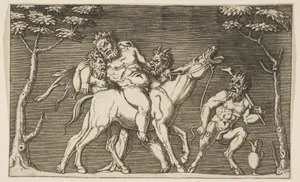
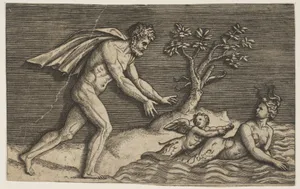
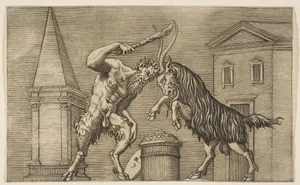
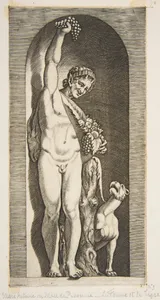
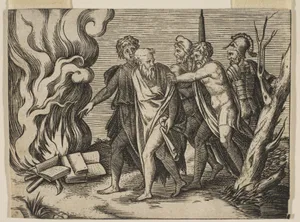
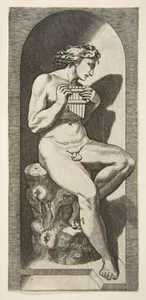
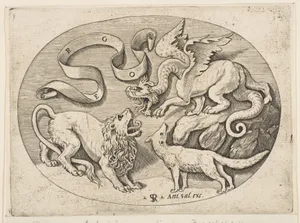
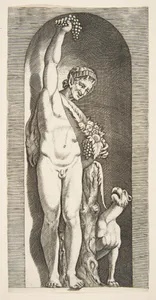
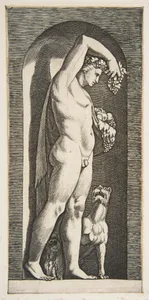
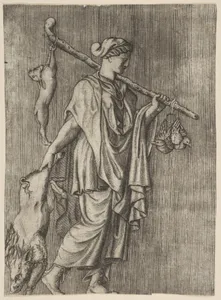
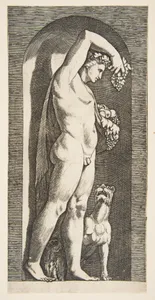
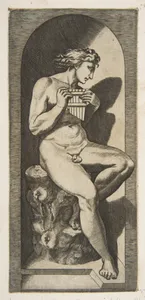
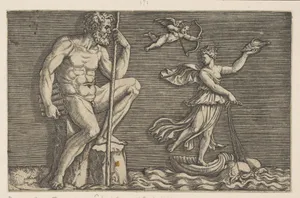
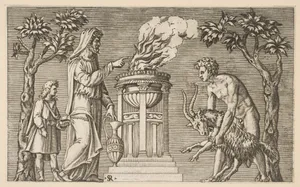
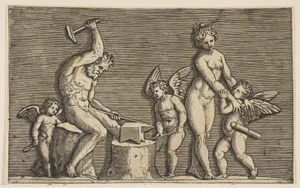
Working closely in Raimondi's tradition, Dente produced engravings of exceptional technical quality that translated paintings, drawings, and antique sculpture into the language of the burin. His prints circulated designs by Raphael and other leading masters to collectors, artists, and patrons throughout Europe who had no direct access to the originals, making him a crucial agent in the transmission of Renaissance style. Among his most notable engravings are reproductions after antique works and after compositions by Raphael, rendered with a precision and tonal subtlety that marked the highest achievements of the Roman school of engraving.
Dente's career was cut short by the catastrophic Sack of Rome in 1527, an event that dispersed the remarkable community of artists and craftsmen that had gathered in the papal city and effectively ended a golden age of Roman printmaking. Dente himself reportedly perished during the violence, leaving an oeuvre that, while unfinished by circumstance, stands as a monument to the Roman engraving school at its peak.
His legacy is inseparable from the broader achievement of Marcantonio and his circle in establishing the reproductive print as a major vehicle of artistic communication. Through his work, the visual language of the Roman High Renaissance reached audiences across the continent, shaping the development of painting, sculpture, and decoration far beyond Italy.