
Ctrl K
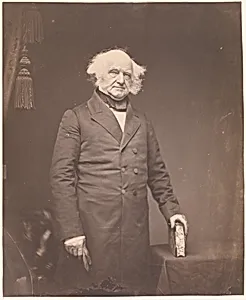
1823–1896
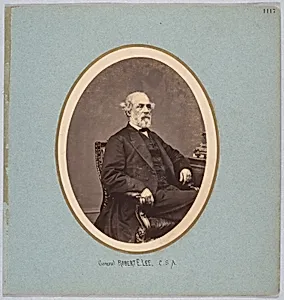
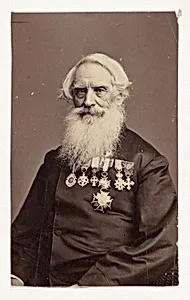
Mathew B. Brady (c. 1823–1896) was an American photographer who became the most famous photographer of the Civil War era and one of the founding figures of American photographic history. Born in Warren County, New York, to Irish immigrant parents, he learned the daguerreotype process from Samuel F.B. Morse and William Page and opened his first portrait studio in New York City in 1844.
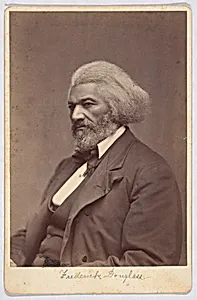
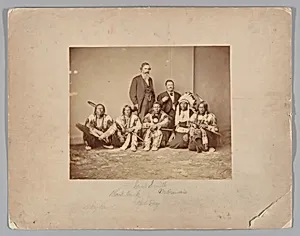
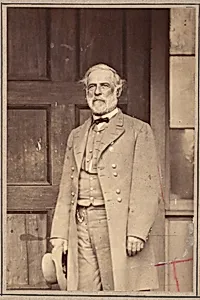
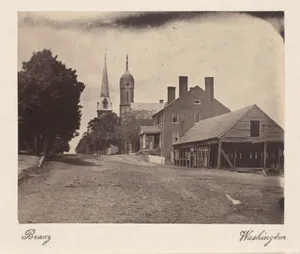
Brady quickly established himself as the preeminent portrait photographer in America, operating fashionable galleries in New York and Washington, D.C., where he photographed nearly every significant American public figure of the mid-nineteenth century, including Abraham Lincoln, Ulysses S. Grant, and dozens of other presidents, generals, writers, and statesmen. His 1860 Cooper Union portrait of Lincoln, which showed the candidate as dignified and presidential, is credited by Lincoln himself with helping to secure his election.
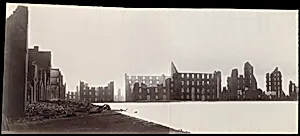
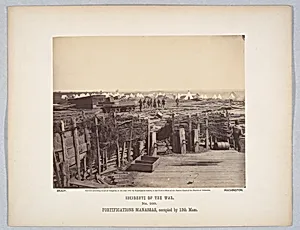
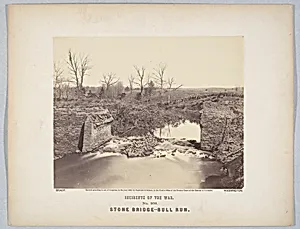
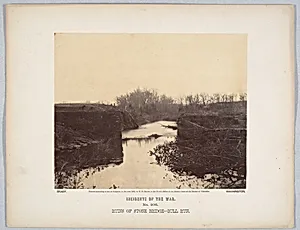
When the Civil War began, Brady organized and financed teams of photographers — including Alexander Gardner, Timothy O'Sullivan, and George Barnard — to document the conflict. The resulting photographs, numbering in the thousands, constitute the most important visual record of the war. Brady's exhibition of battlefield photographs at his New York gallery in 1862 brought the reality of war's carnage to the civilian public for the first time.
Brady invested his personal fortune in the war documentation project and was financially ruined when the government declined to purchase his archive at the price he sought. He spent his final years in poverty, though Congress eventually purchased a portion of his collection. His photographs are held by the National Archives, the Library of Congress, and the National Portrait Gallery, and they remain foundational documents of both American history and the history of photography.
![[Private James P. Bonnet and Unidentified Members of the 22nd New York State Militia in their Tent Camp, Near Harper's Ferry, Virginia]](https://images.artheonmuseum.org/met/ph/thumb/private-james-p-bonnet-and-unidentified-members-of-the-22nd-new-york-state-milit-268136.webp)
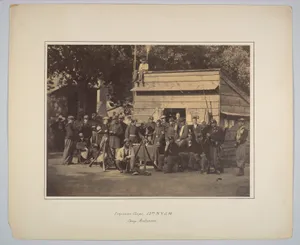
![[Camp Scene with Soldiers of the 22nd New York State Militia, Harper's Ferry, Virginia]](https://images.artheonmuseum.org/met/ph/thumb/camp-scene-with-soldiers-of-the-22nd-new-york-state-militia-harper-s-ferry-virgi-301954.webp)
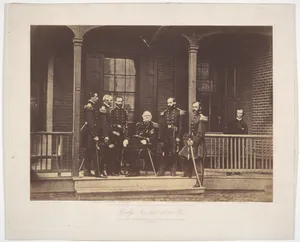
![[Japanese Embassy, Navy Yard, Washington, DC]](https://images.artheonmuseum.org/met/ph/thumb/japanese-embassy-navy-yard-washington-dc-286097.webp)
![[Members of the New York Sanitary Commission]](https://images.artheonmuseum.org/met/ph/thumb/members-of-the-new-york-sanitary-commission-286048.webp)
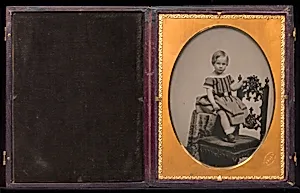
![[Cornelia Van Ness Roosevelt]](https://images.artheonmuseum.org/met/ph/thumb/cornelia-van-ness-roosevelt-283185.webp)
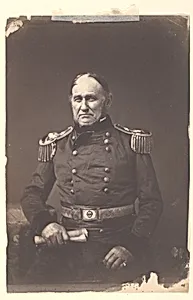
![[Commodore Matthew Calbraith Perry]](https://images.artheonmuseum.org/met/ph/thumb/commodore-matthew-calbraith-perry-283184.webp)