Ctrl K
1720–1780
**Matthew Darly (also known as Matthias Darly, c. 1720–1780)** was a versatile British printseller, engraver, caricaturist, and furniture designer active in London throughout the mid-to-late eighteenth century.
His early training began with an apprenticeship in 1735 to clockmaker Umfraville Sampson. He later established himself as a prominent figure in the print trade, operating shops known as “The Acorn” or “Golden Acorn” along the Strand. Darly took on four apprentices of his own between 1752 and 1778 and became a member of both the Incorporated Society of Artists and the Free Society of Artists, exhibiting architectural drawings and a self-portrait etching. He styled himself “Professor of Ornament to the Academy of Great Britain.”
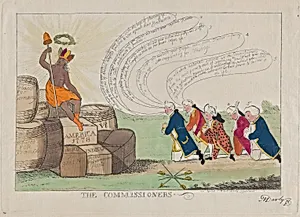
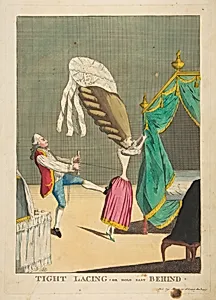
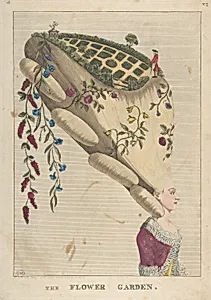
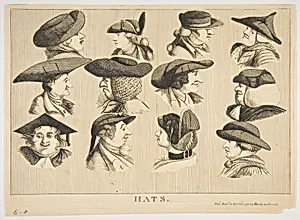
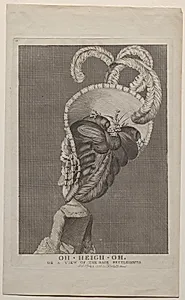
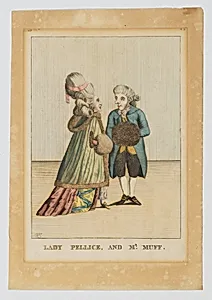
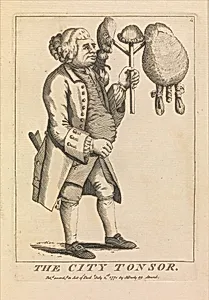
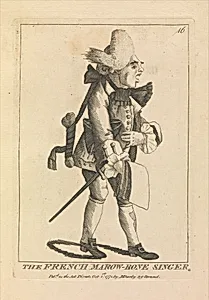
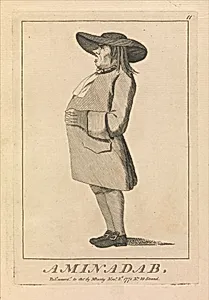
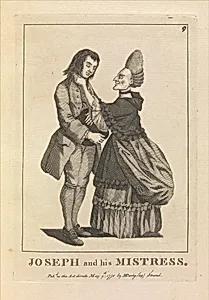
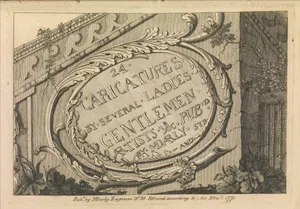
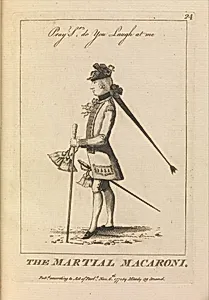
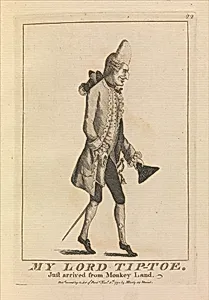
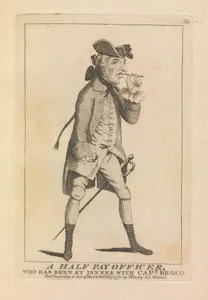
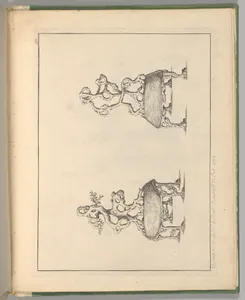
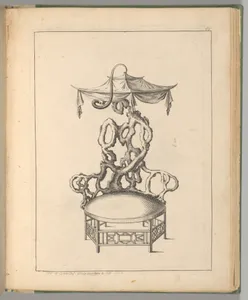
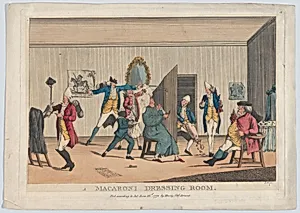
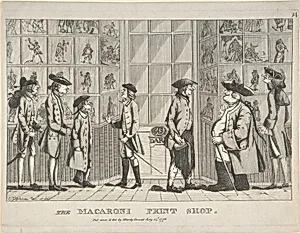
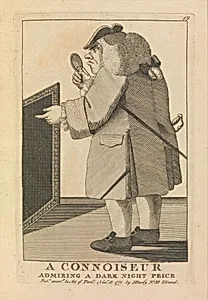
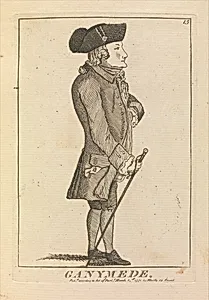
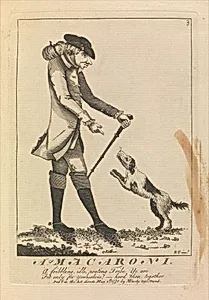
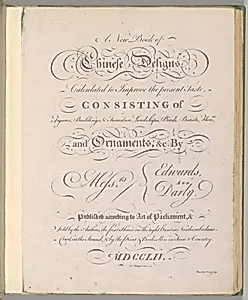
Darly worked across several interconnected artistic traditions of Georgian Britain, blending Rococo ornament, chinoiserie, and the emerging vogue for social and political caricature. He engraved numerous plates for Thomas Chippendale’s influential *The Gentleman and Cabinet-Maker’s Director* (1753–54 and the 1762 edition) and collaborated with a partner named Edwards on *A New Book of Chinese Designs* (1754), which catered to the fashionable taste for fanciful chinoiserie furniture and decorations. Other notable publications include *A New Book of Ceilings* (1760), *Sixty Vases by English, French and Italian Masters* (1767), and his major instructional work *The Ornamental Architect* (1770–71; reissued 1773 as *A Compleat Body of Architecture*). Together with his second wife, Mary Darly (his first wife was Elizabeth Harold), he produced and sold hundreds of satirical prints, especially the celebrated “macaroni” series of the early 1770s that lampooned fashionable excess.
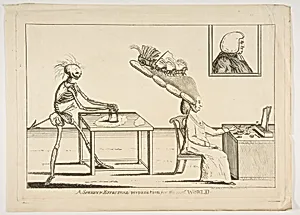
Darly’s legacy lies in his role popularizing caricature as both entertainment and social commentary while bridging the worlds of fine printmaking and furniture design. His shop became a hub for amateur artists and collectors, and he helped launch the careers of figures such as Henry Bunbury. He also engraved the drawings of others, offered etching lessons, and published political satires that reflected the turbulent politics of the era. His prolific output—encompassing bookplates, cabinet-makers’ catalogues, and architectural ornament—continues to be studied for its insight into eighteenth-century taste and visual culture. The virtual museum’s collection of 44 works by Darly highlights the breadth of his contributions to British graphic art.