Ctrl K
1730–1766
Mauro Antonio Tesi, affectionately nicknamed "Il Maurino" by his patron Francesco Algarotti, was born on January 15, 1730, in the small town of Montalbano near Modena, Italy. Largely self-taught, Tesi honed his skills as a painter, draftsman, and engraver, establishing himself in Bologna where he became a prominent figure in the late-Baroque decorative arts scene. His early career focused on architectural perspectives and ornamental designs, blending intricate illusionistic effects with emerging classical restraint, marking him as one of the first proponents of Neo-classicism in Italy.
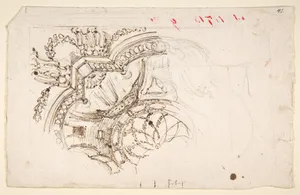
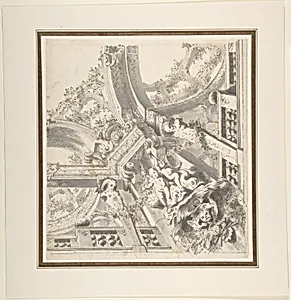
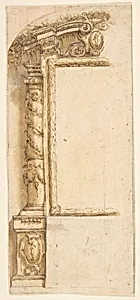
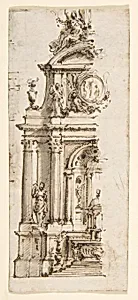
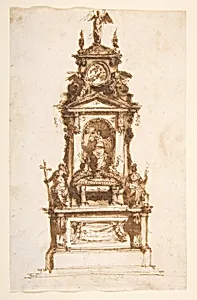
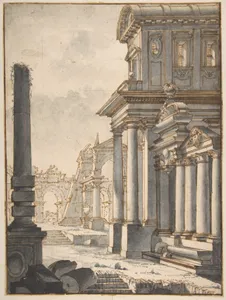
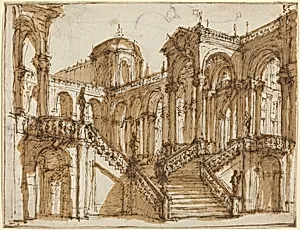
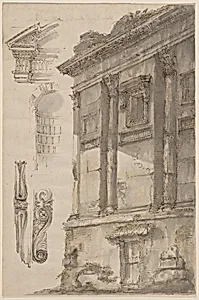
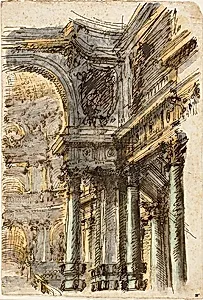
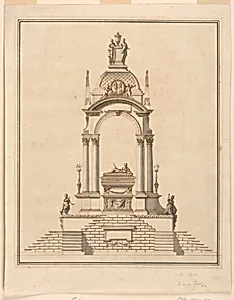
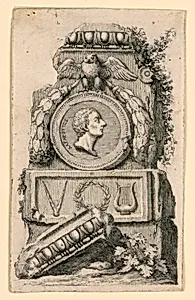
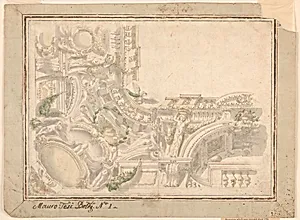
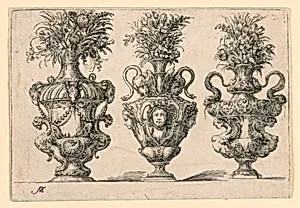
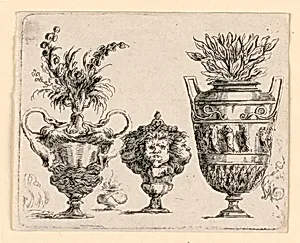
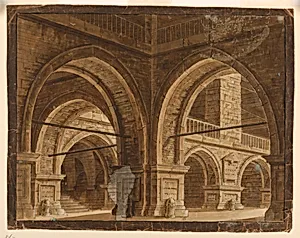
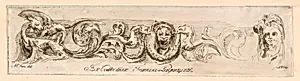
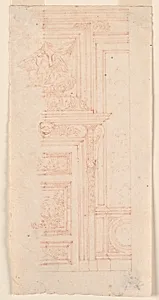
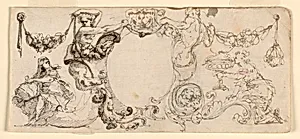
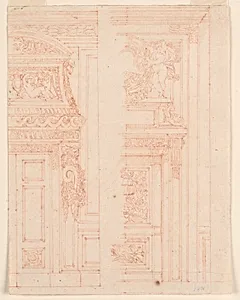
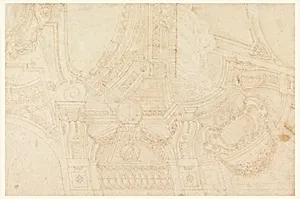
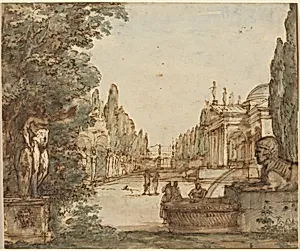
Tesi's oeuvre spanned frescoes, stage designs, altar sketches, and etchings, often commissioned for churches and theaters in Bologna, Florence, and beyond. In 1764, he painted the nave ceiling frescoes for the church of San Leone in Pistoia, showcasing his mastery of dramatic architectural illusions. He collaborated closely with Algarotti, traveling with him to illustrate publications and designing the funeral monument on Pisa's Campo Santo. Notable surviving works include the *Capriccio with a Palladian Villa* (c. 1760), a whimsical architectural fantasy in pen, ink, wash, and watercolor; *Stage Design* (c. 1755); *Studies of the Cenotaph of Annia Regilla* (1750s–1766); and *Design for the Left Half of an Altar* (1750–66), all demonstrating his precise draftsmanship and inventive compositions. His posthumously published *Raccolta di Disegni Originali di Mauro Tesi* (1787), a volume of 42 etched plates, preserved his classical-inspired motifs for future generations.
Working in the Bolognese tradition of quadratura—painting architectural frameworks to enhance illusion—Tesi trained a pupil, Valentino Baldi, perpetuating his techniques. Despite his short life, cut tragically by tuberculosis on July 18, 1766, in Bologna at age 36, Tesi's legacy endures through his innovative bridge between Baroque exuberance and Neoclassical purity. His prints and drawings, held in institutions like the National Gallery of Art, the Metropolitan Museum, and the Art Institute of Chicago, continue to inspire studies in 18th-century Italian ornament and scenography, underscoring his pivotal role in the stylistic transition of European art.