Ctrl K
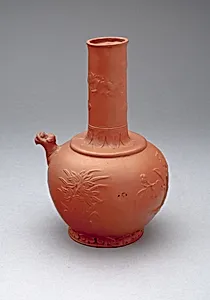
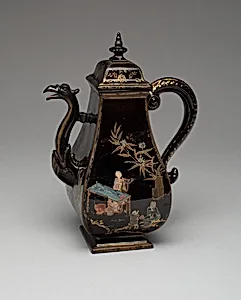
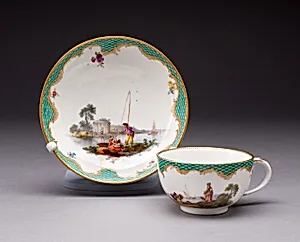
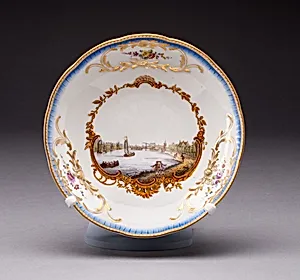
The Meissen Porcelain Manufactory, established on June 6, 1710, by Augustus II the Strong, Elector of Saxony and King of Poland, in the Albrechtsburg castle at Meissen near Dresden, marked Europe's breakthrough in producing true hard-paste porcelain. Building on experiments by physicist Ehrenfried Walther von Tschirnhaus and alchemist Johann Friedrich Böttger, who perfected the formula using local kaolin clays in 1708, the factory first produced refined red stoneware (Böttger ware) imitating Chinese Yixing teapots from 1710–1713, followed by brilliant white porcelain marketed in 1713. The crossed swords trademark, introduced in 1720–1722 and derived from the Elector's coat of arms, became a global symbol of authenticity.
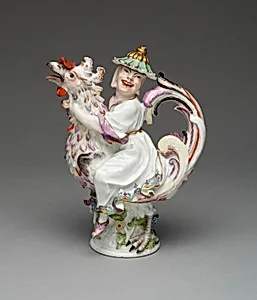
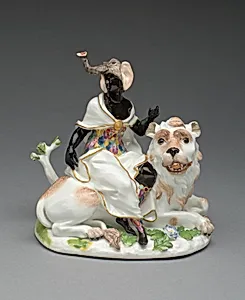
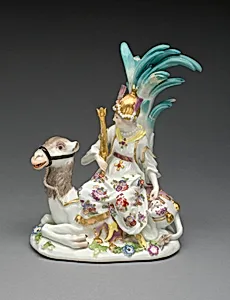
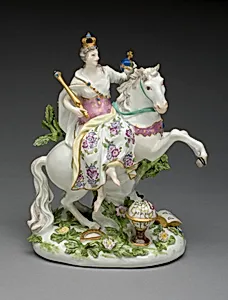
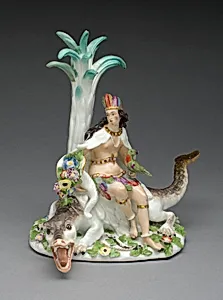
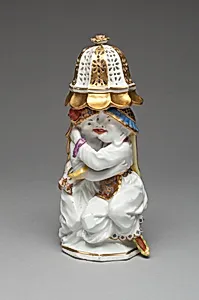
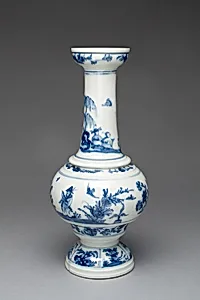
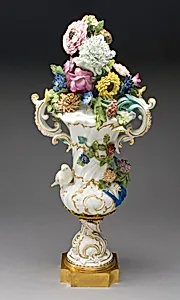
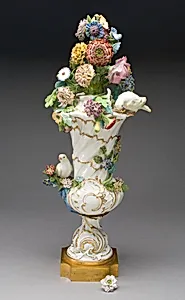
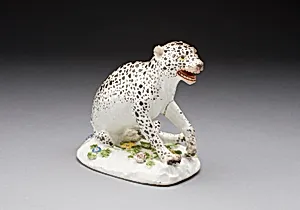
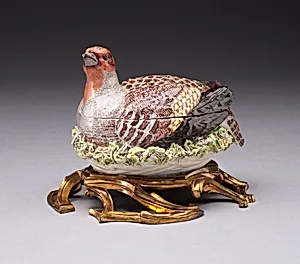
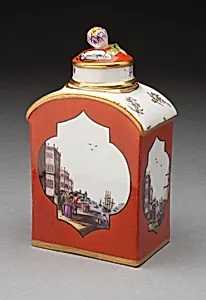
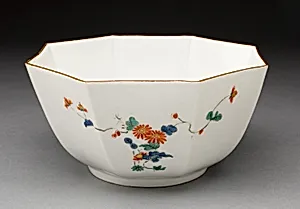
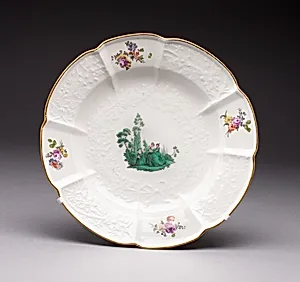
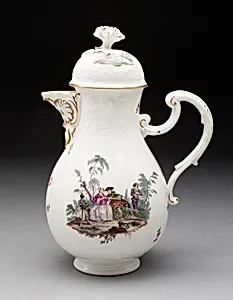
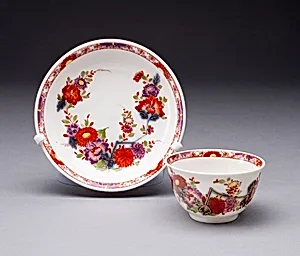
Under painters like Johann Gregorius Höroldt, who arrived in 1720 and developed vibrant overglaze enamels including "Indian Flowers" and "Onion Pattern" chinoiseries, and chief modeler Johann Joachim Kändler (1733–1775), the manufactory shifted from Asian-inspired designs to exuberant European Baroque and Rococo styles. Kändler, assisted by Johann Friedrich Eberlein and Peter Reinicke, crafted dynamic figurines of commedia dell'arte characters, animals, and shepherdesses, while early modeler Johann Gottlieb Kirchner produced large Baroque saints. Later directors like Michel Victor Acier (from 1764) introduced Neoclassicism with unglazed biscuit porcelain, and Count Camillo Marcolini (1774–1813) emphasized Sèvres-influenced monochromes.
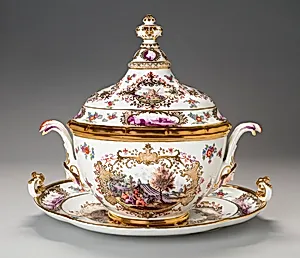
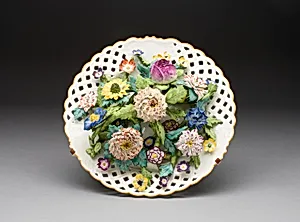
Iconic works include the monumental Swan Service (1737–1743), a 2,200-piece Baroque dinner set for Heinrich von Brühl modeled by Kändler and Eberlein, featuring swans amid mythological scenes; the satirical Monkey Band ensemble (1753–1754); the opulent Temple of Honour centerpiece (1748); and the floral Snowball Blossoms service (1739). Life-sized animal sculptures for Augustus's Japanese Palace menagerie further showcased technical prowess.
Meissen's innovations in hard-paste porcelain, firing techniques, and painting dominated European production until the mid-18th century, inspiring factories from Sèvres to Derby and establishing standards still upheld today at the Triebischtal site since 1864. Revivals by artists like Ernst August Leuteritz in the 19th century and modern collectives blend Rococo opulence with contemporary designs, cementing its legacy as porcelain's enduring pinnacle.