Ctrl K
1907–1976
Melita C. Hofmann (1907–1976) was a prolific American artist, illustrator, and author whose multifaceted career bridged fine art, historical documentation, and natural history. Born on October 13, 1907, in Toledo, Ohio, her early education reflected a strong foundation in art and design. She graduated from Toledo University and the Parsons School of Design, earning a B.A. in art education from New York University in 1929. Hofmann further honed her skills through graduate work at the Sorbonne in Paris and the Royal Academy of Art in Munich, Germany. These institutions shaped her precise, observational style, evident in her meticulous renderings of form, texture, and color.
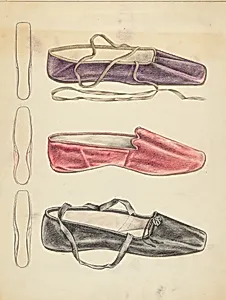
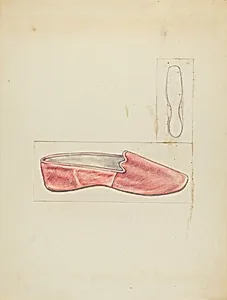
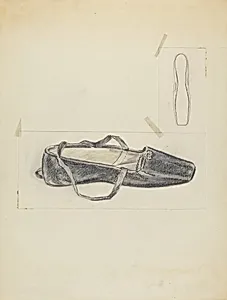
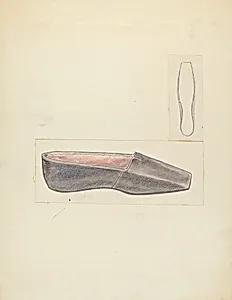
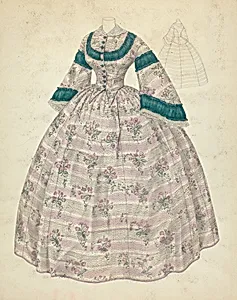
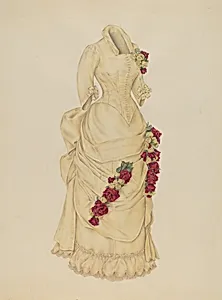
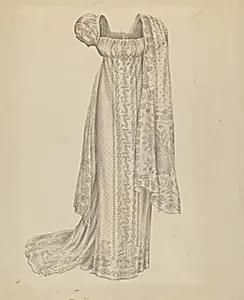
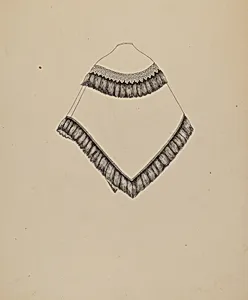
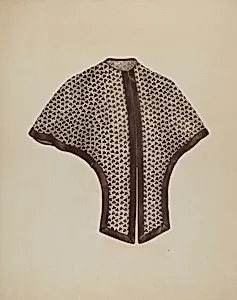
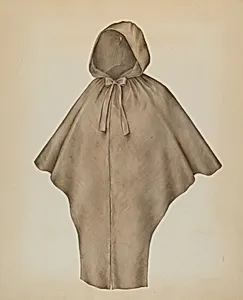
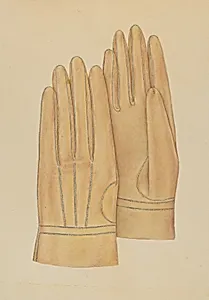
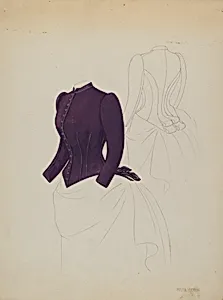
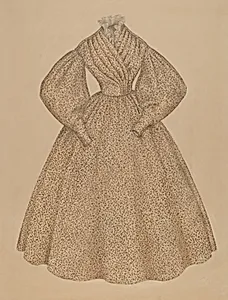
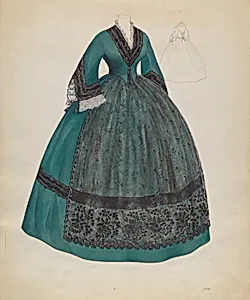
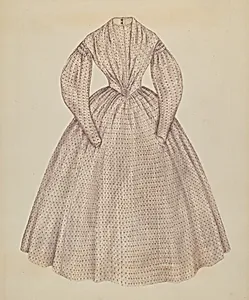
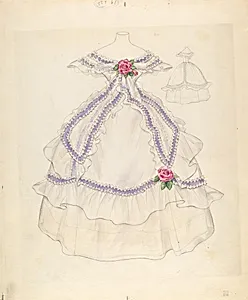
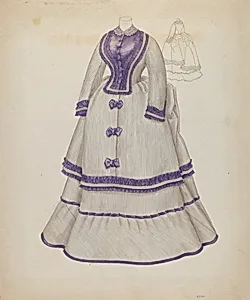
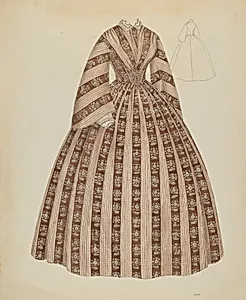
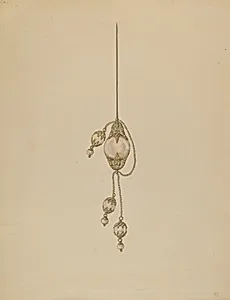
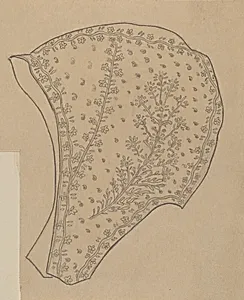
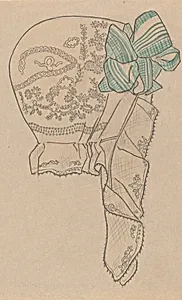
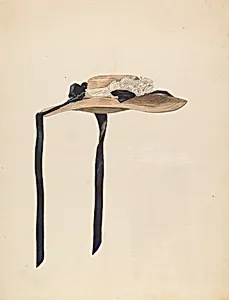
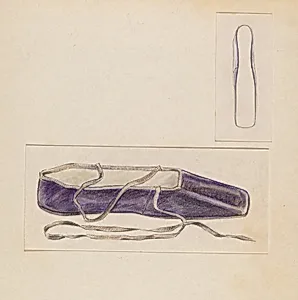
Hofmann's most enduring contributions came through her involvement in the Index of American Design, a Federal Art Project from 1935 to 1942 that documented everyday American artifacts. Working primarily in watercolor, graphite, colored pencil, and gouache on paper or paperboard, she produced nearly 90 detailed studies for the National Gallery of Art, capturing historical clothing and folk objects with ethnographic accuracy. Notable works include *Buckskin Legging with Beadwork* (1935), *Wedding Dress* (c. 1936), *Court Dress* (c. 1936), *Dress* (c. 1939–1940), and various slippers and shoes from the late 1930s, such as *Woman's Shoe* (c. 1936) and *Velvet Slipper* (c. 1940). These pieces, blending technical virtuosity with cultural insight, exemplify her commitment to preserving American material heritage in the tradition of the Index project.
Later in her career, Hofmann taught art at Sullins College in Virginia, Bennett Junior College in Millbrook, New York, and Parsons School of Design. She served as curator of the Oysterponds Historical Society in Orient, New York, from 1944 to 1963, lecturing widely on nature, history, photography, and music in New York and Toledo venues. Her authorship extended her influence: she wrote and illustrated *The Book of Big Birds* (with Audubon Society exhibitions), *Pearls of Ferrara* (a Renaissance historical narrative), and *A Guide to the Pond* (on pond ecosystems), while designing books for Grosset & Dunlap. Her watercolors, pastels, and graphics were exhibited across the United States and Europe, cementing her legacy as a versatile chronicler of both human craft and the natural world.