Ctrl K
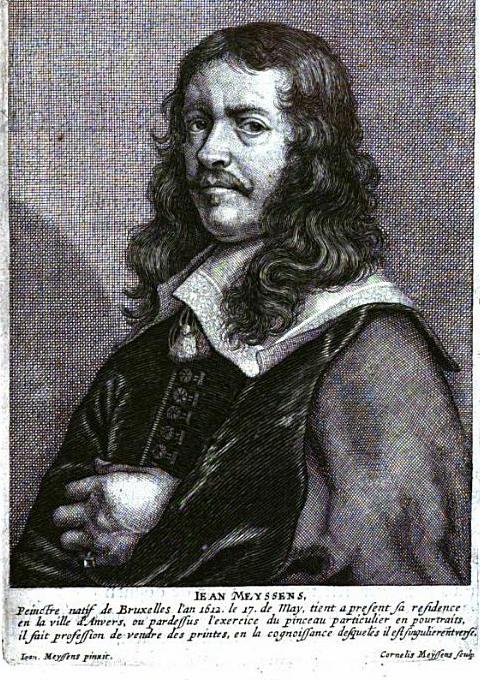
1612–1670
Movements
Occupations
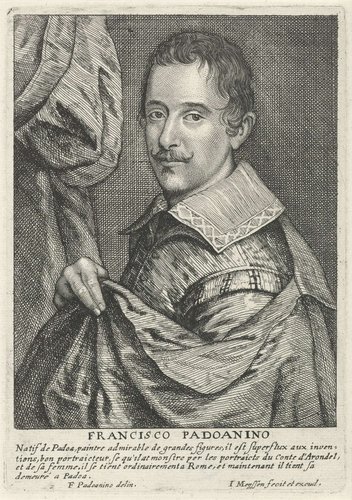
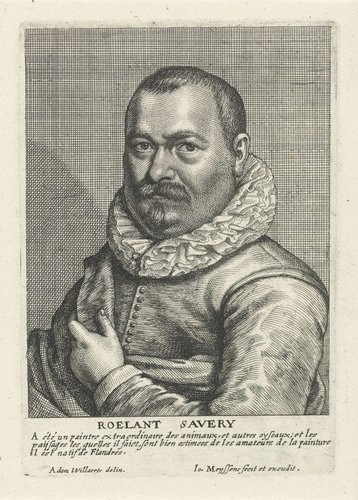
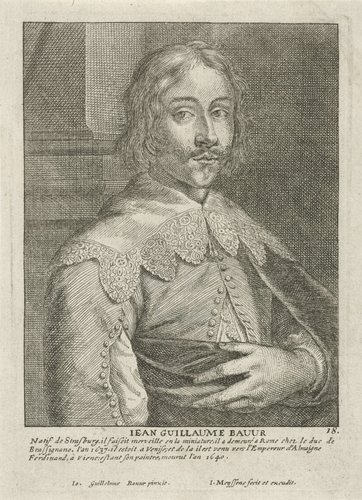
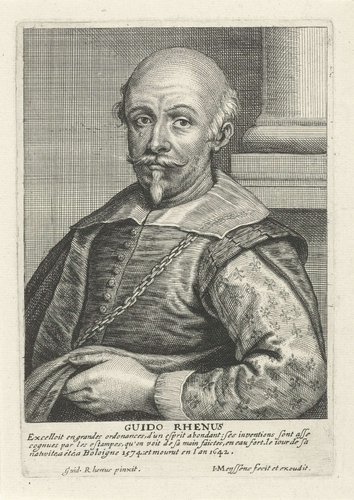
Joannes Meyssens (1612–1670), also known as Johannes, Jan, or Jean Meyssens, was a Flemish Baroque painter, engraver, and print publisher whose career exemplifies the multifaceted nature of seventeenth-century artistic enterprise. Born in Brussels on May 17, 1612, and active primarily in Antwerp where he died on September 18, 1670, Meyssens made his most significant contribution not through his paintings but through his ambitious publishing projects, which documented the artistic and intellectual elite of his era. Meyssens's publishing venture, 'Images de divers hommes d'esprit sublime' (Images of Various Men of Sublime Spirit), comprised portrait engravings of distinguished contemporaries accompanied by biographical descriptions in French. These portrait collections proved historically invaluable—the biographical texts Meyssens composed were later used as source material by influential art historians including Filippo Baldinucci, Joachim von Sandrart, and Arnold Houbraken. Through these publications, Meyssens helped establish the biographical tradition in art history and created an enduring visual and textual record of seventeenth-century cultural figures. As an engraver, Meyssens demonstrated considerable technical skill, producing portraits characterized by precise line work and careful attention to capturing the sitter's character. His dual role as both creator and publisher of prints gave him significant control over his artistic output and commercial success. The Meyssens workshop became something of a family enterprise—his son Cornelis also became an accomplished engraver, continuing his father's professional legacy. By the time of his death in 1670, Meyssens had established a reputation that extended beyond the Low Countries, with his portrait prints circulating throughout Europe and his biographical texts becoming standard reference sources for later art historians.
Joannes Meyssens was born in Brussels on May 17, 1612, during a period of relative prosperity in the Spanish Netherlands despite the ongoing conflict with the Dutch Republic to the north. Brussels, as the seat of the Habsburg governors, maintained a sophisticated court culture and vibrant artistic community.
Details of Meyssens's early artistic training remain sparse, but the quality of his later work suggests systematic instruction in both drawing and the technical aspects of engraving. He would have learned to handle the burin, the primary tool for line engraving, mastering the considerable manual skill required to incise clean, controlled lines into copper plates.
At some point during his youth or early adulthood, Meyssens relocated to Antwerp, the great commercial and artistic metropolis of the Southern Netherlands. Antwerp, though diminished from its sixteenth-century peak, remained a major center for art production and, crucially, for the print trade. The city's extensive merchant networks provided ready channels for distributing prints throughout Europe.
Meyssens established himself in Antwerp's artistic community, and in 1640 he achieved formal recognition by becoming a master in the Guild of Saint Luke, the professional organization that regulated artistic production in the city. Guild membership conferred both prestige and practical benefits, including the legal right to operate a workshop, take on apprentices, and sell artwork.
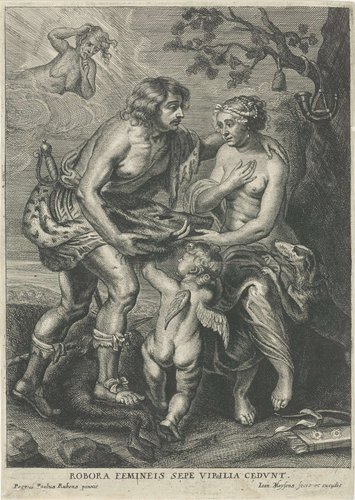
By this time, Meyssens had likely already begun his dual career as painter and engraver. As a painter, he worked in the Flemish Baroque tradition, though his painted works have received far less attention than his engravings. His primary focus appears to have been portraiture, the genre that would dominate his engraved output as well.
Meyssens also established himself as a print publisher—a role that required both capital investment and commercial acumen. As a publisher, he would purchase or commission copper plates, oversee their printing, and arrange for distribution and sale. This entrepreneurial dimension proved crucial to his career, allowing him to control his artistic output and maximize financial returns.
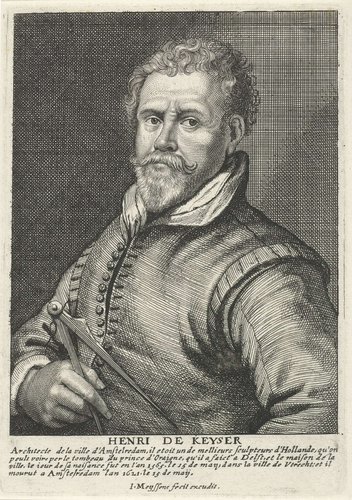
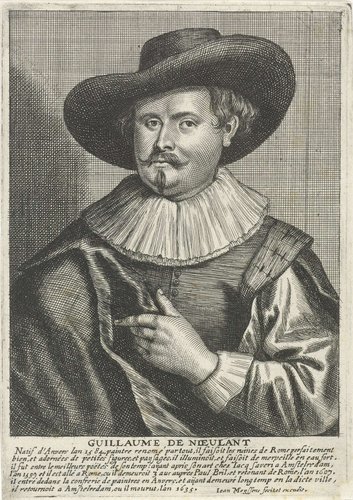
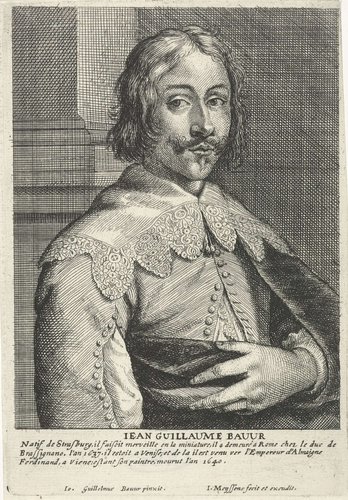
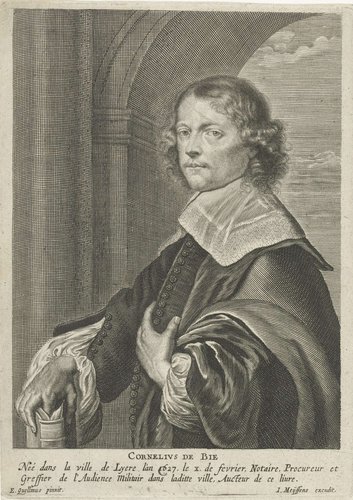
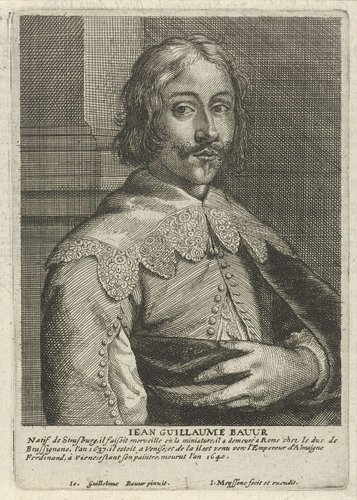
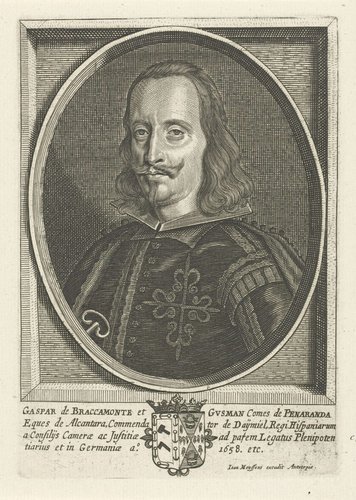
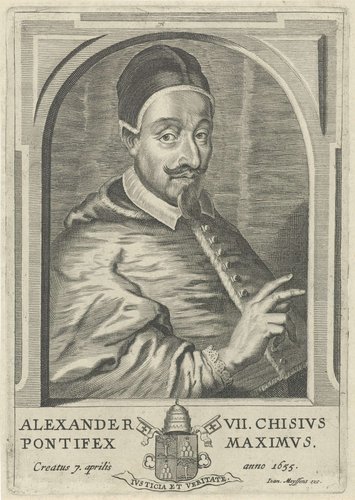
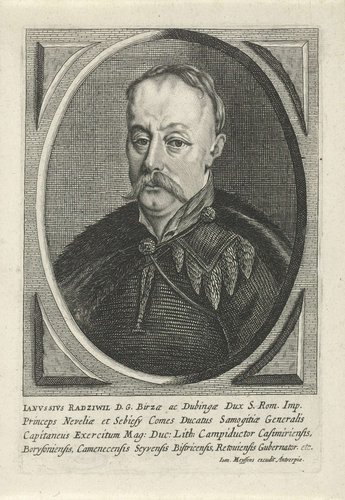
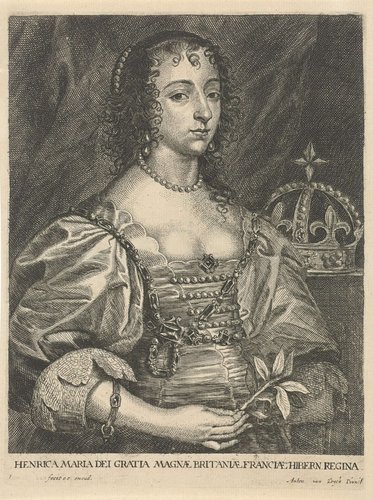
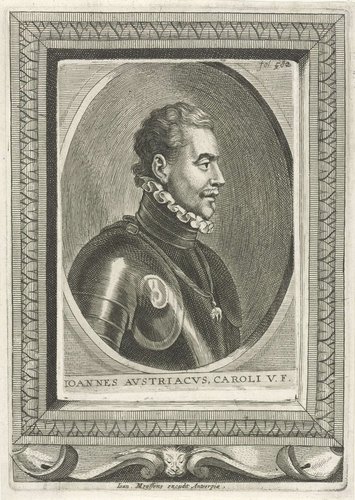
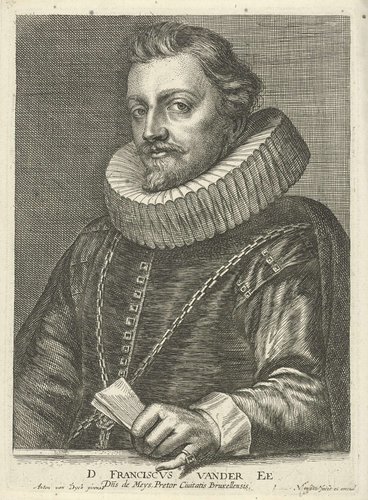
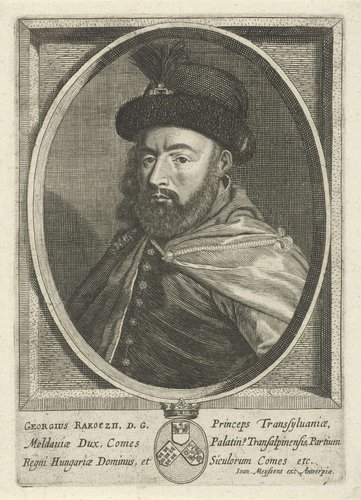
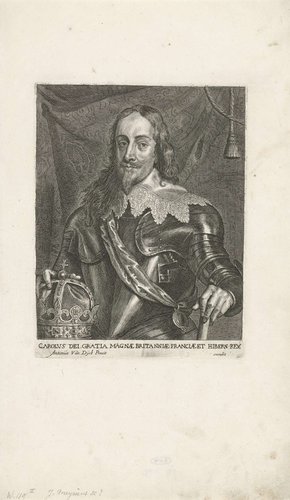
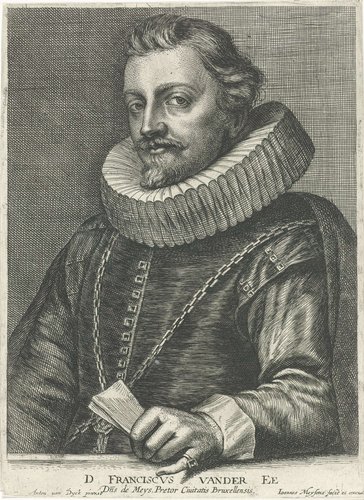
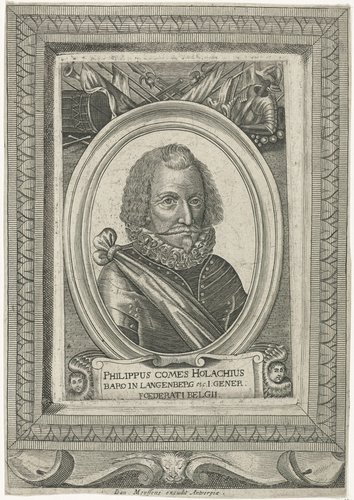
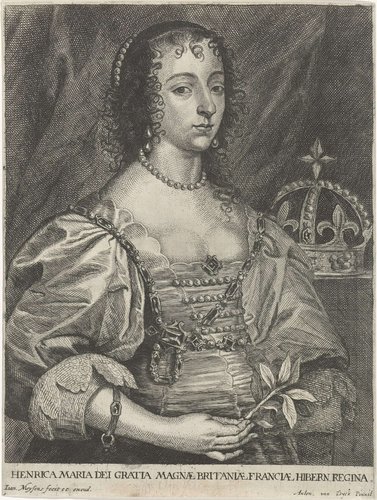
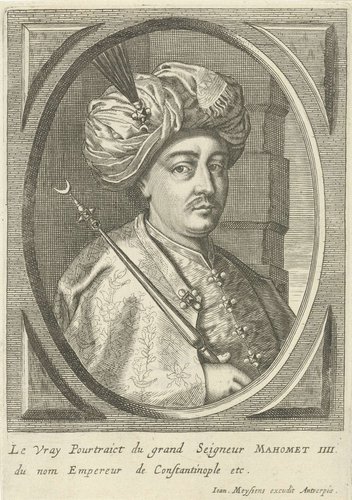
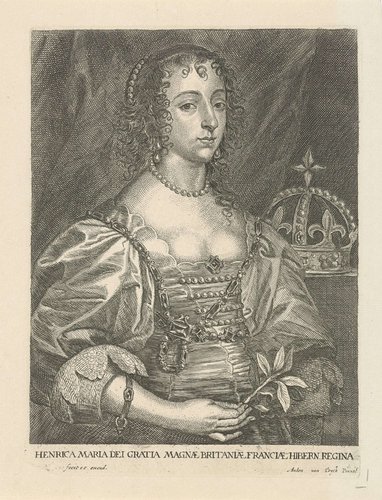
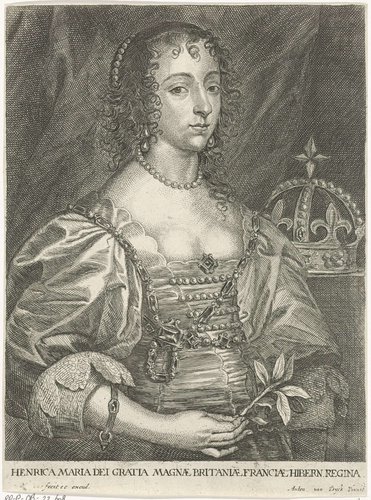
Meyssens's most ambitious and historically significant undertaking was his series of portrait publications, issued under the title 'Images de divers hommes d'esprit sublime' (Images of Various Men of Sublime Spirit). These collections presented engraved portraits of distinguished contemporaries—artists, scholars, military leaders, and other notables—each accompanied by biographical text in French.
The portrait series reflected both artistic and scholarly ambitions. As engravings, the portraits demonstrated Meyssens's technical skill and his ability to capture individual character. The compositions typically showed subjects in three-quarter view, often within oval frames, following the portrait conventions of the period. The engraved lines conveyed not just physical features but also suggestions of personality and intellectual distinction.
The accompanying biographical descriptions proved equally important. Meyssens gathered information about his subjects through various means—personal knowledge, correspondence, and consultation of available sources. These texts, though brief, provided valuable information about the lives and achievements of the portrayed individuals. Significantly, Meyssens wrote these descriptions in French rather than Latin or Dutch, making them accessible to the educated European elite who used French as an international language.
The historical importance of these biographical texts became apparent in subsequent decades. When later art historians compiled their foundational works on artists' lives and achievements, they frequently drew upon Meyssens's descriptions. Filippo Baldinucci in Italy, Joachim von Sandrart in Germany, and Arnold Houbraken in the Dutch Republic all consulted Meyssens's publications, incorporating his information into their own more comprehensive biographical compilations.
This recycling of Meyssens's texts established them as important primary sources for seventeenth-century cultural history. Information that might otherwise have been lost or remained scattered in archival documents was preserved and disseminated through Meyssens's publications, shaping subsequent historical understanding of the period's artistic and intellectual life.
During the 1660s, Meyssens continued his activities as engraver and publisher while also training his son Cornelis in the family profession. Cornelis Meyssens was born in Antwerp in or before 1640 to Joannes and his wife Anna Jacobs. The younger Meyssens apprenticed in his father's workshop, learning both the technical aspects of engraving and the business dimensions of print publishing.
Cornelis proved a talented engraver, and father and son apparently collaborated on various publication projects. The workshop took on the character of a family enterprise, with Cornelis working on plates from a relatively young age and gradually assuming more responsibility as his father aged.
Meyssens's reputation by this period extended well beyond Antwerp. His portrait prints had achieved wide circulation, and he had established professional relationships with artists, scholars, and collectors throughout Europe. The National Portrait Gallery in London would eventually hold 42 portraits associated with Meyssens, indicating the breadth of his portrait production and its importance for documenting period likenesses.
Joannes Meyssens died in Antwerp on September 18, 1670, at age 58. His death did not mark the end of the Meyssens artistic enterprise, as Cornelis continued the family business. The younger Meyssens would further develop his father's publishing ventures, ensuring that the Meyssens name remained associated with high-quality portrait engravings into the next generation.
Artheon Research Team
Last updated: 2025-11-09
Biography length: ~1,624 words
Wikidata/Wikimedia Commons