Ctrl K
1467–1528
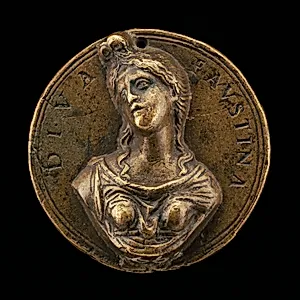
Galeazzo Mondella, known to history as Moderno, was born in Verona in 1467 and became one of the most accomplished and widely admired creators of bronze plaquettes during the Italian Renaissance. He joined the Goldsmiths' Guild of Verona in 1485 at the age of eighteen, and by 1487 he had begun working at the court of Mantua, where he adopted the name Moderno—chosen in deliberate counterpoint to his contemporaneous Mantuan rival Pier Jacopo Alari Bonacolsi, who was at the same moment being dubbed Antico. The pairing of names encapsulated two poles of Renaissance artistic identity: one looking back to antiquity, the other asserting a confident modernity.
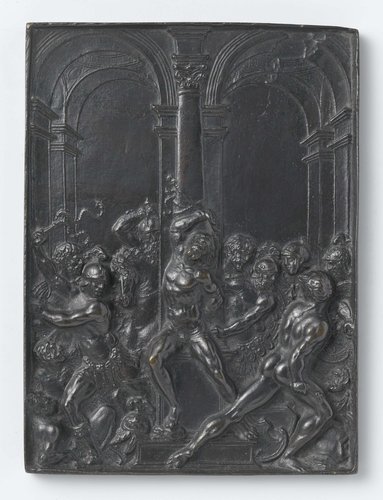
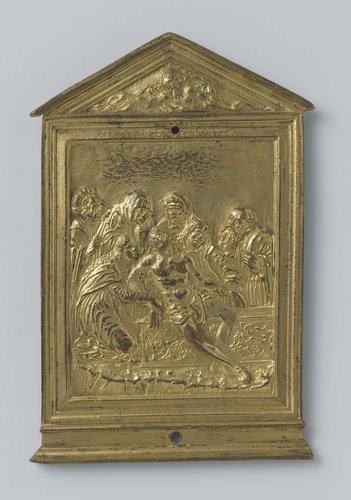
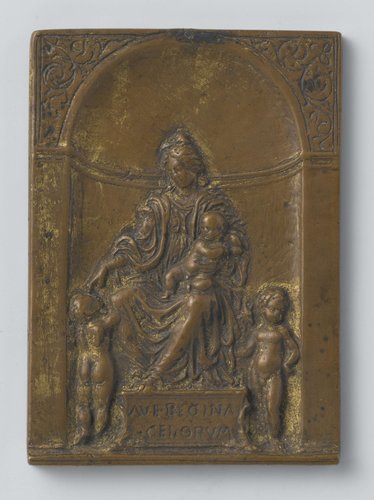
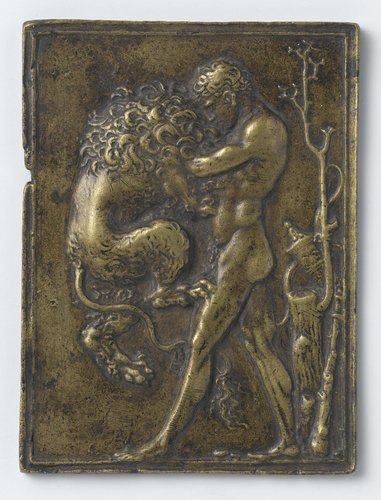
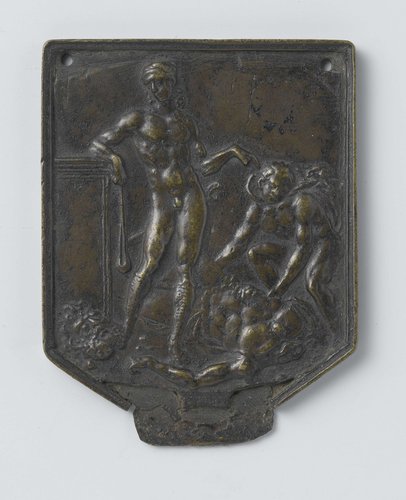
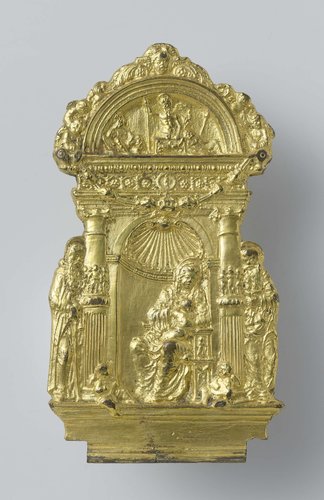
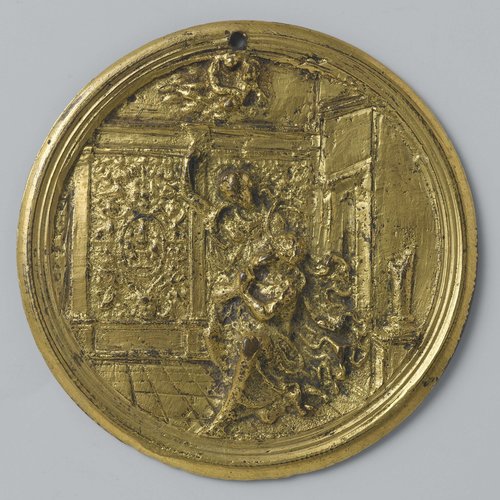
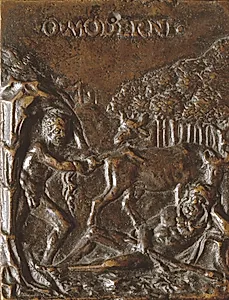
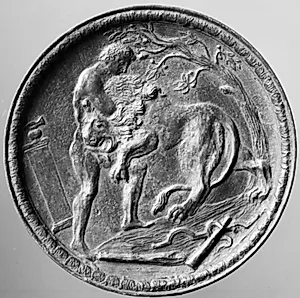
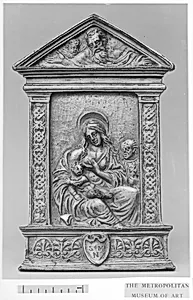
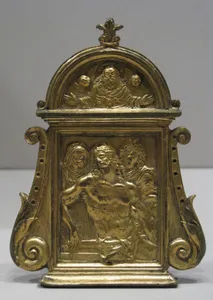
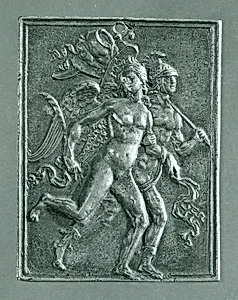
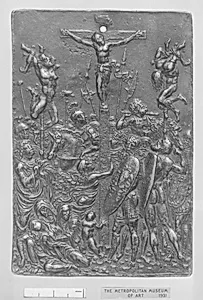
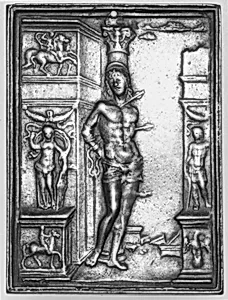
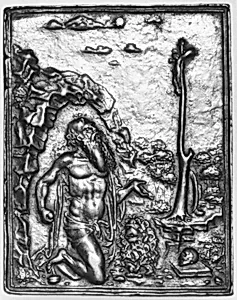
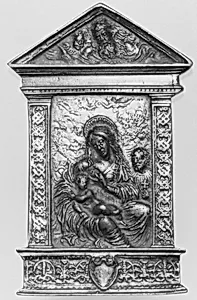
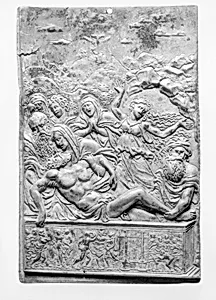
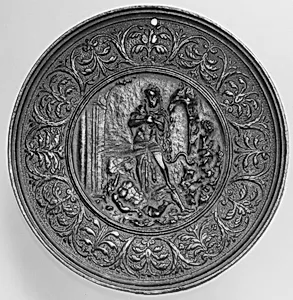
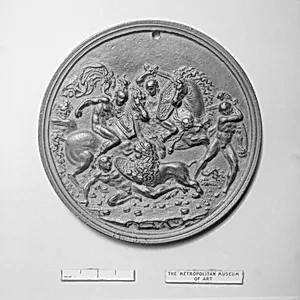
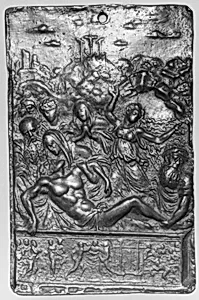
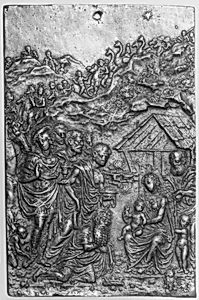
Moderno's style evolved from the influence of Veronese masters including Andrea Mantegna and Francesco Bonsignori, and through sustained exposure to painters such as Vincenzo Foppa, Antonello da Messina, and the Bellini family. Over time his compositions moved toward what scholars have described as a confident Roman classicism reminiscent of Raphael. He may have visited Rome around 1509–1511, a journey possibly facilitated by his Venetian patron Cardinal Domenico Grimani, who possessed an extensive collection of Raphael's drawings. His most celebrated commissions were two gilded silver reliefs, produced in 1506–1507 for Cardinal Grimani's Cabinet, now housed in the Kunsthistorisches Museum in Vienna. Over the course of his career he created approximately fifty plaquettes and ten medals, treating subjects ranging from biblical narratives such as The Presentation of Christ in the Temple and Saint Sebastian to mythological scenes including David Triumphant Over Goliath.
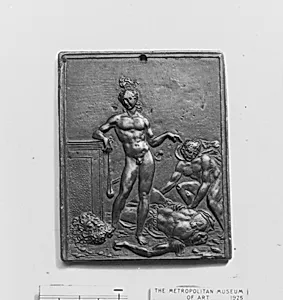
The reach of Moderno's influence was remarkable for a craftsman working in a relatively intimate format. Erasmus collected his plaquettes, and artists of the stature of Albrecht Dürer and Hans Holbein studied them. His composition of David and a Companion with the Dead Goliath has been identified as a prototype for a comparable figure in Michelangelo's Last Judgment. He held leadership positions in the Goldsmiths' Guild of Verona in 1496–1497 and again in 1506–1507. After he assumed control of the family workshop in 1512, his independent production of new designs declined, though his son Giambattista continued casting his models for decades after his death in 1528.
Moderno's plaquettes survive in great numbers in museum collections worldwide, including the Metropolitan Museum of Art and the National Gallery of Art, a testament to the voracious demand they inspired across Europe. His ability to condense monumental religious and mythological narrative into small-scale bronze relief remains a defining achievement of Renaissance minor arts.