Ctrl K
1782–1882
Moritz Fürst was a Hungarian-born engraver and medalist who became one of the most accomplished practitioners of his craft in the early United States. Born in Hungary in 1782, he acquired his technical training in European ateliers before emigrating to America, where he arrived in the early years of the nineteenth century and ultimately settled in Philadelphia — then the center of the young nation's artistic and commercial life.
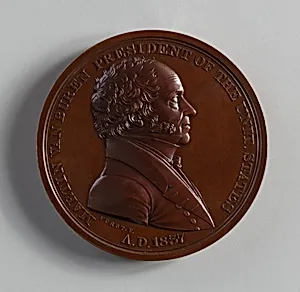
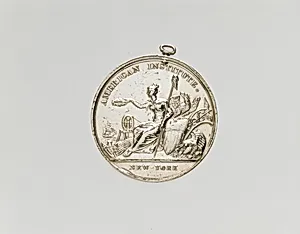
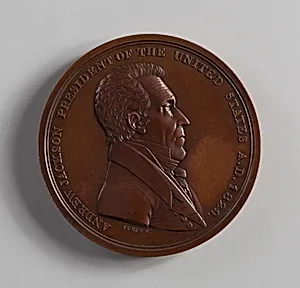
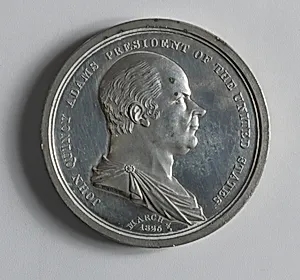
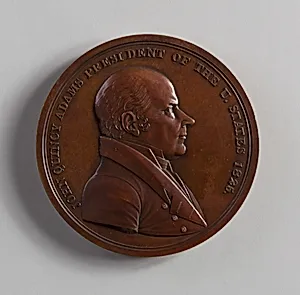
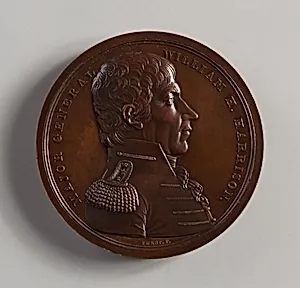
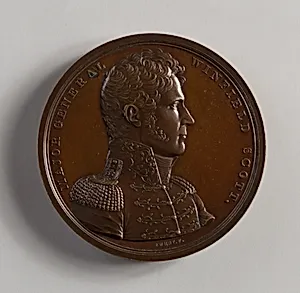
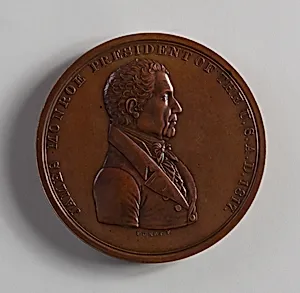
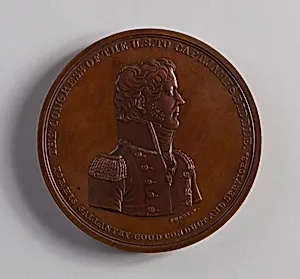
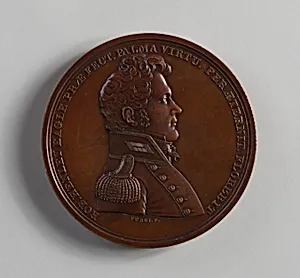
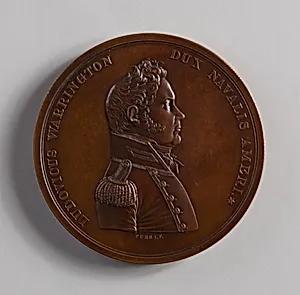
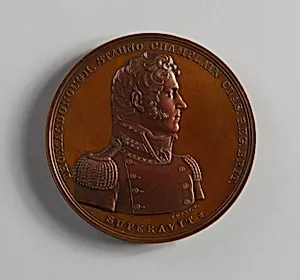
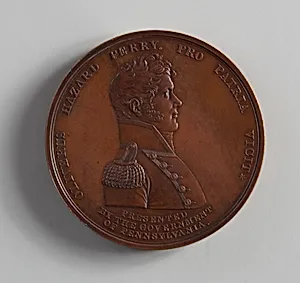
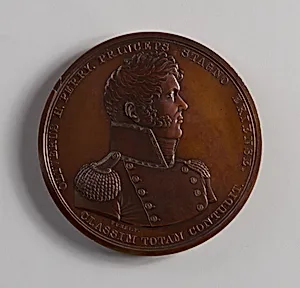
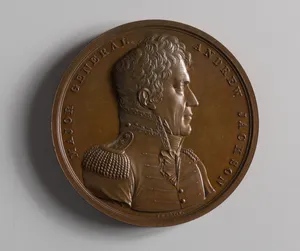
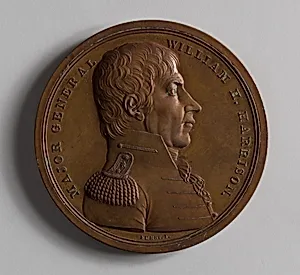
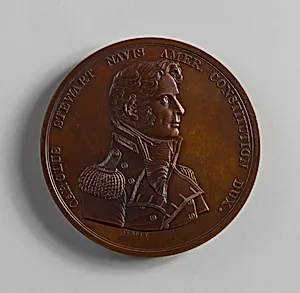
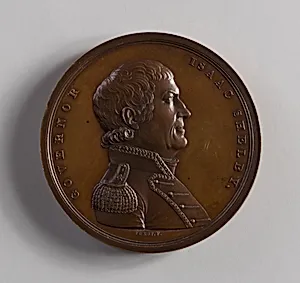
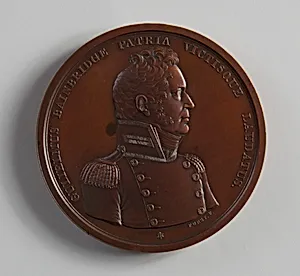
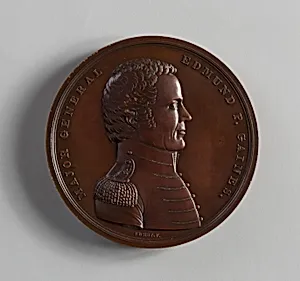
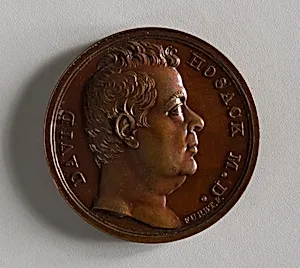
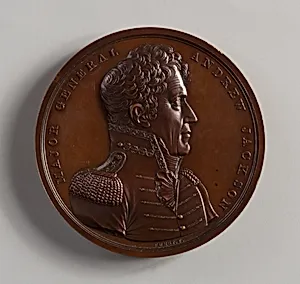
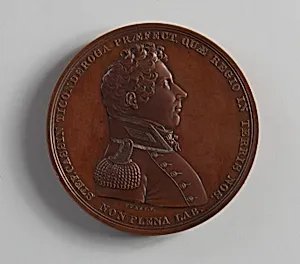
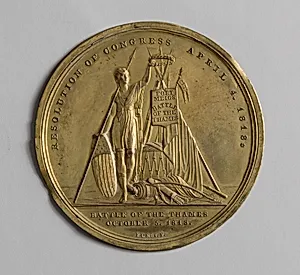
Fürst joined the United States Mint in Philadelphia, where his skills as an engraver and die-cutter made him an invaluable contributor to American numismatic and medallic art. He produced a significant number of commemorative medals and coins during his tenure, working on official government commissions as well as private decorative projects. His portrait medals of American statesmen, military heroes, and political figures are particularly noted for their refined modeling and the psychological sensitivity with which he captured individual likenesses — qualities that reflected his European academic training.
Beyond official Mint work, Fürst was active in the broader Philadelphia art world, contributing to the culture of a city that prided itself on its civic institutions and collecting traditions. His engravings and medals circulated both as objects of patriotic commemoration and as finely crafted works appreciated by connoisseurs of the medallic arts.
Fürst lived to an extraordinary age — dying in 1882 at around one hundred years old, a lifespan that allowed him to witness the full arc of American development from the early republic to the Gilded Age. His work endures in American museum collections and in the holdings of numismatic institutions, where it is studied as a high point of early American medallic artistry and as evidence of the European craft traditions that helped shape the visual culture of the new nation.