Ctrl K
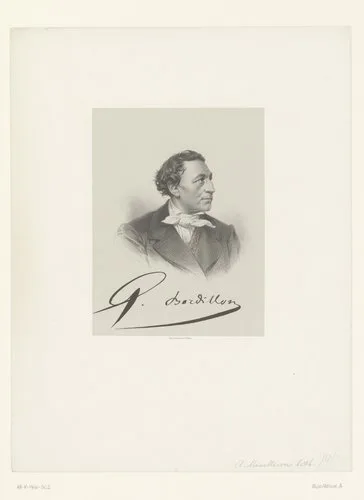
1820–1881
Occupations
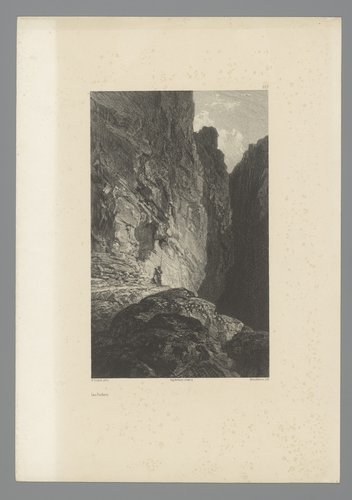
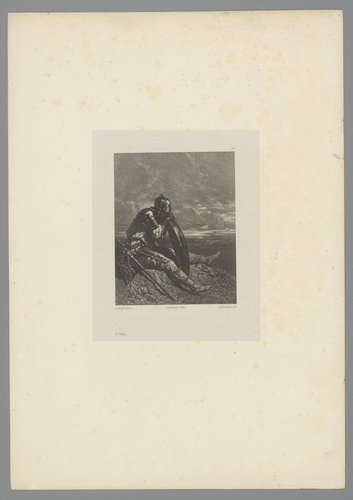
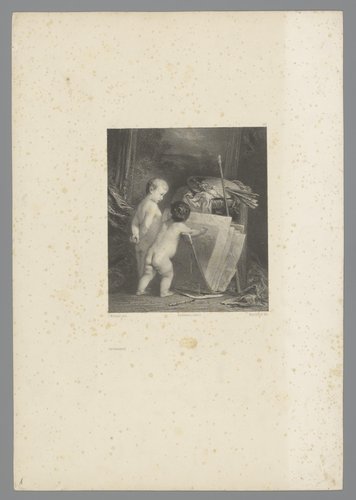
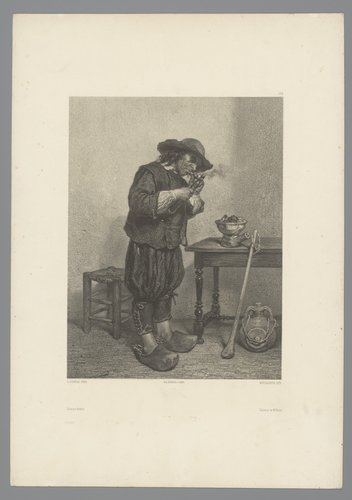
Adolphe Mouilleron (1820–1881) was a French painter and lithographer whose significant contributions to French printmaking and co-founding role in the artists' collective 'Les Artistes Contemporains' made him an important figure in mid-19th-century Parisian art. Born in Paris on December 20, 1820, Mouilleron achieved recognition through both his original lithographs and paintings, earning multiple medals at the Paris Salon and appointment to the Legion d'honneur. His career exemplifies the 19th-century artist working across multiple media—painting, original lithography, and reproductive printmaking—while also engaging in collective efforts to promote contemporary art. His surprising move to Amsterdam in 1856, where he worked for several years, demonstrated the international scope of successful French printmakers. When he died in Paris on February 24, 1881, he left behind works in major museums including the Museum of Fine Arts Boston, the Rijksmuseum, the British Museum, and the Bibliothèque Nationale de France.
Adolphe Mouilleron was born in Paris on December 20, 1820, during the Restoration period when the Bourbon monarchy had returned to power after Napoleon's defeat. Little is known of his early life or family background, but his later achievements suggest access to artistic training and cultural opportunities.
He received artistic education in painting and lithography, developing skills in both media that would characterize his dual career. The 1830s and 1840s were a dynamic period in French art, with Romantic movement challenging Neoclassical traditions while lithography was emerging as both a commercial medium and a vehicle for original artistic expression.
Mouilleron debuted at the Paris Salon of 1848, the year of revolution that overthrew the July Monarchy and established the Second Republic. The Salon debut was crucial for young artists seeking recognition, and Mouilleron's acceptance indicated his readiness for professional artistic practice.
Following his Salon debut, Mouilleron quickly achieved recognition. He was awarded medals at the Paris Salon of 1849, 1852, and 1855—a pattern of consistent success indicating both quality and favor with the Salon jury. In 1852, he received the prestigious appointment to the Legion d'honneur, France's highest order of merit, at age 32—relatively young for such recognition.
In 1845, Mouilleron co-founded 'Les Artistes Contemporains' alongside Eugene Leroux, Celestin Nanteuil, François-Louis Français, and Henri Baron. This collective ran from 1845 to 1855, promoting contemporary art and providing members with mutual support and exhibition opportunities. Such artist collectives became increasingly important in the 19th century as alternatives or supplements to official Salon exhibitions.
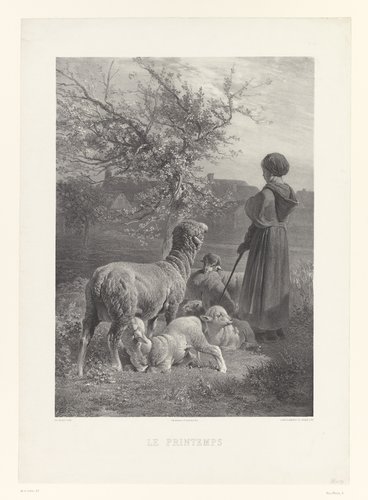
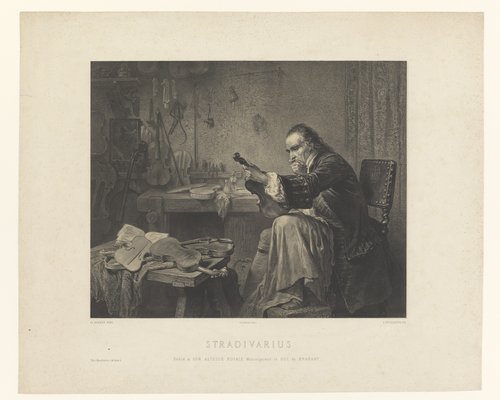
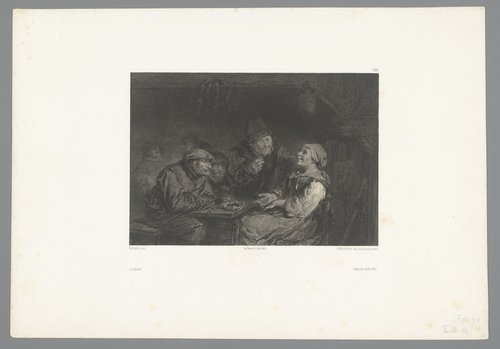
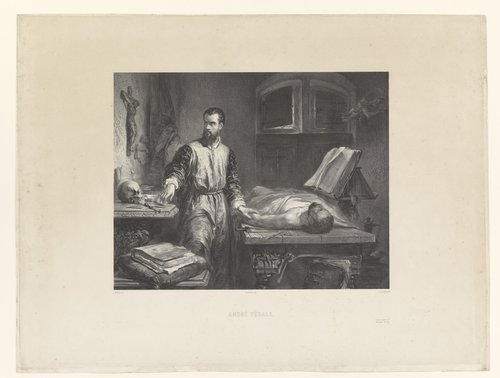
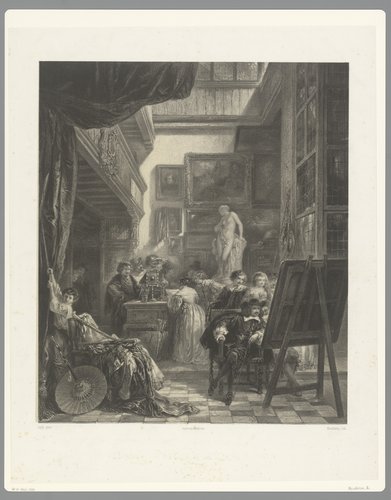
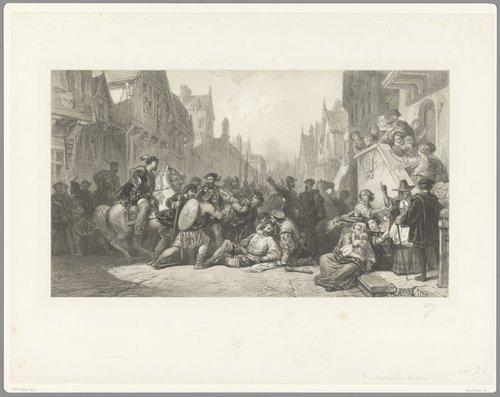
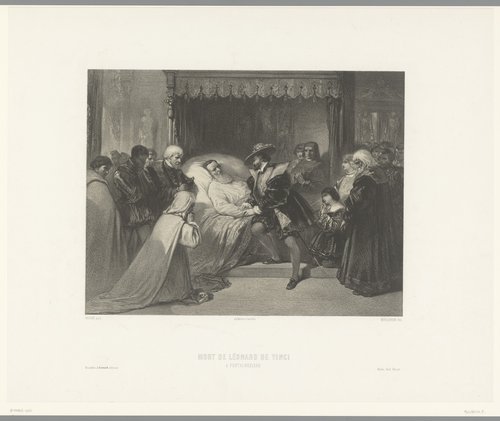
Mouilleron also contributed to the lithographic series 'Les Artistes Anciens et Modernes,' which ran from about 1850 to 1860. This series published reproductive lithographs after works by both Old Masters and contemporary artists, serving the growing market for art reproductions among the educated middle class.
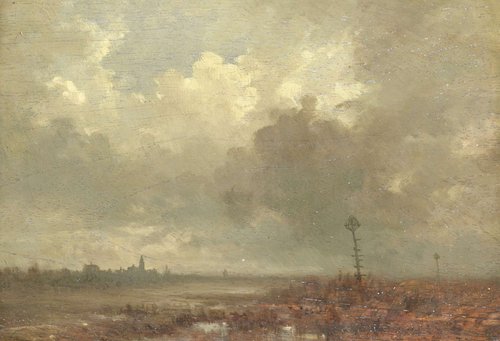
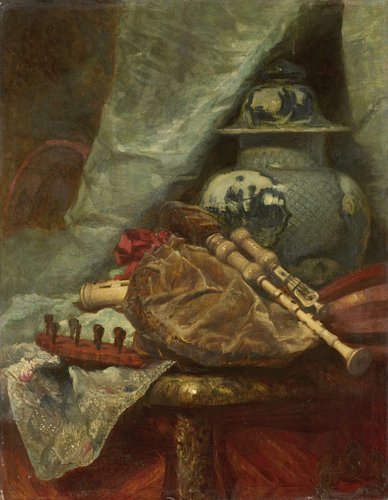
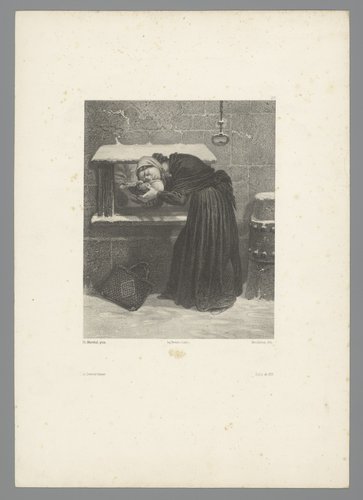
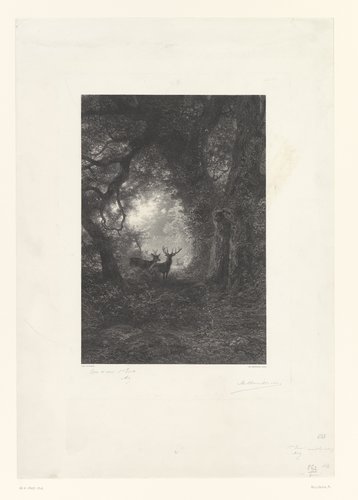
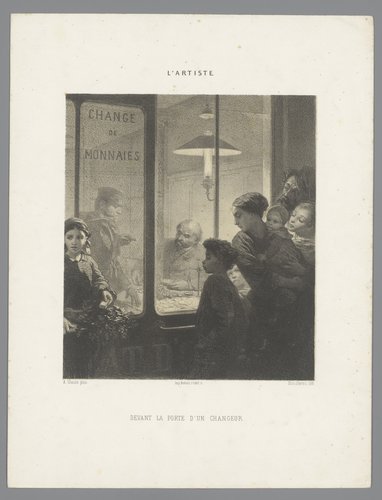
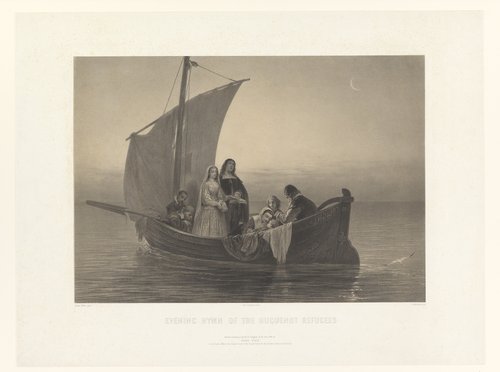
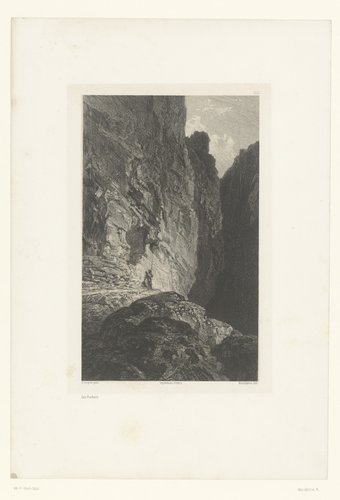
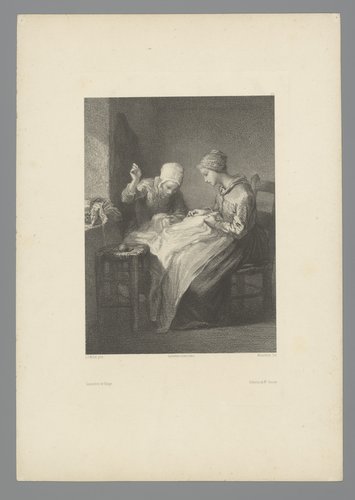
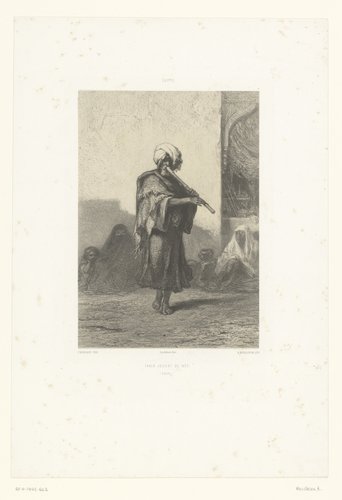
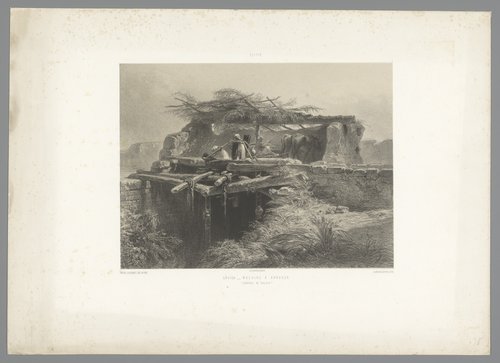
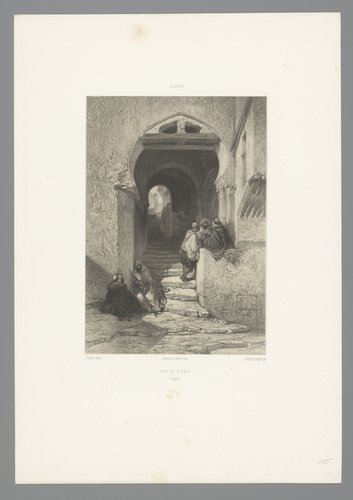
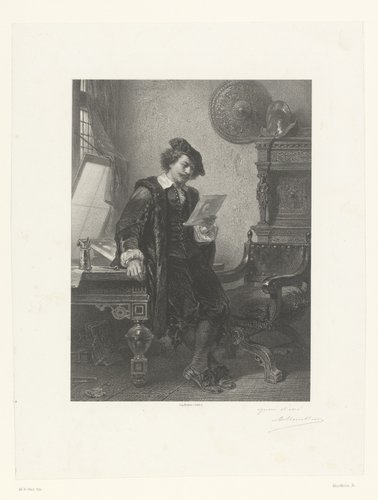
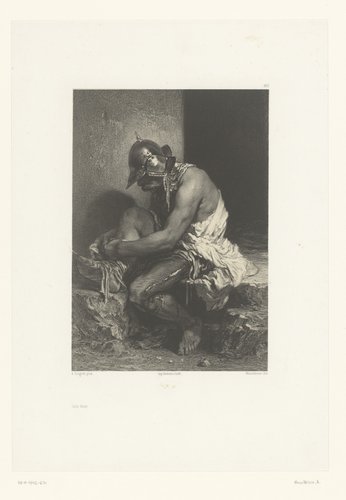
His work during this period demonstrated versatility across painting and lithography, with subjects ranging from landscapes to genre scenes to historical subjects. He was highly regarded for both his original lithographs and paintings, establishing himself as a significant figure in Parisian art.
In 1856, Mouilleron made the surprising move to Amsterdam, where he worked for several years. This international career move was unusual for French artists, who typically centered their careers in Paris. The reasons for this relocation remain unclear from available sources, but Amsterdam offered opportunities in publishing and printmaking, with Dutch institutions and collectors valuing French artistic expertise.
During his Amsterdam years, Mouilleron continued his artistic practice, likely working with Dutch publishers and producing prints for the Dutch market. His presence in Amsterdam during this period contributed to cultural exchange between French and Dutch art worlds.
His work during the Amsterdam period would eventually be represented in the Rijksmuseum collection, indicating engagement with Dutch artistic institutions and collectors. The cross-cultural experience likely influenced his artistic development and expanded his professional networks.
Mouilleron eventually returned to Paris, where he continued his career as painter and lithographer. His established reputation, Salon medals, and Legion d'honneur designation ensured continued opportunities for commissions and sales.
He maintained his dual practice in painting and printmaking, contributing to the vibrant Parisian art market of the Second Empire and early Third Republic periods. His work found collectors both in France and internationally, with examples eventually entering museum collections worldwide.
Adolphe Mouilleron died in Paris on February 24, 1881, at age 60. His career had spanned a transformative period in French art, from the late Romantic era through the rise of Realism and the beginnings of Impressionism, though Mouilleron himself worked in more traditional modes throughout his career.
Artheon Research Team
Last updated: 2025-11-09
Biography length: ~819 words
Wikidata (CC0); Getty ULAN (ODC-By)