Ctrl K
1900–1978
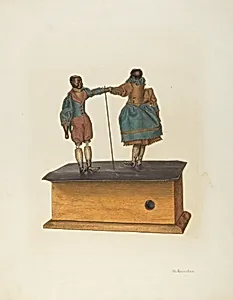
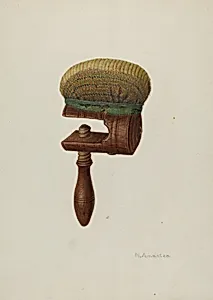
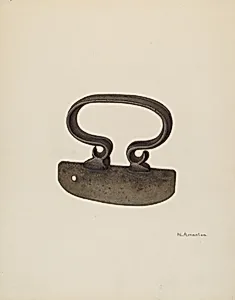
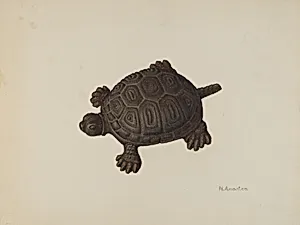
Nicholas Amantea (1900–1978) was an American artist born on July 13, 1900, in Pittsburgh, Pennsylvania. His early life and artistic training are not well documented, but by the mid-1930s, he had established himself in New York City, where he contributed significantly to federal art initiatives during the Great Depression. From March 13, 1936, to July 15, 1942, Amantea worked for the Works Progress Administration (WPA), participating in the Federal Art Project. He produced over 100 meticulous renderings as part of the Index of American Design (IAD), a WPA program aimed at documenting the nation's folk crafts, decorative arts, and utilitarian objects through precise artistic reproductions.
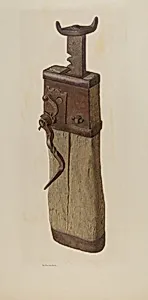
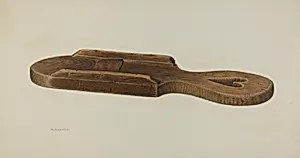
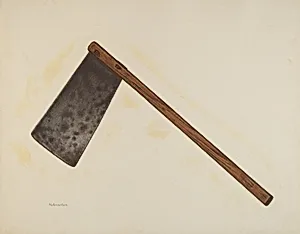
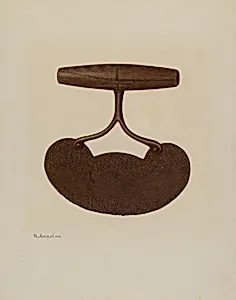
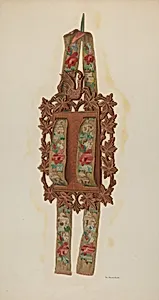
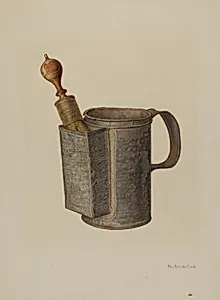
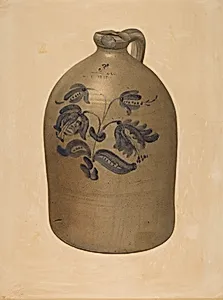
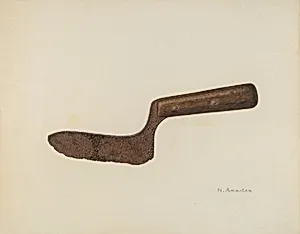
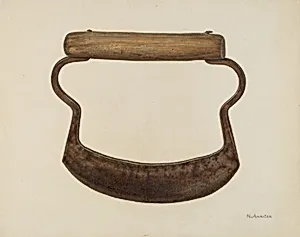
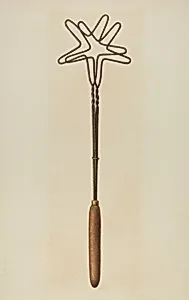
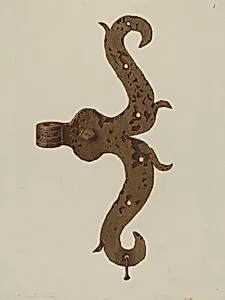
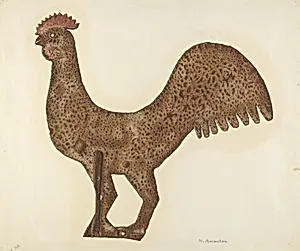
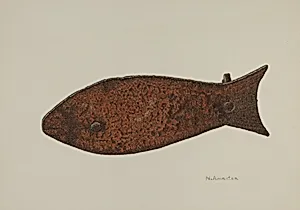
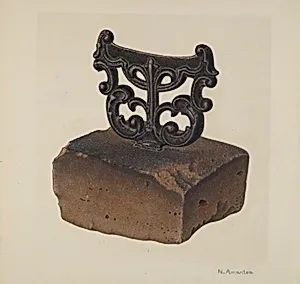
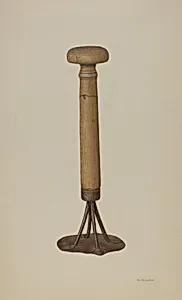
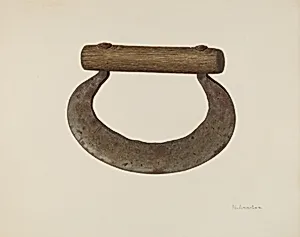
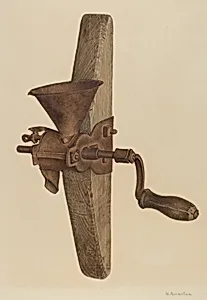
Amantea's style was characterized by hyper-detailed watercolor, graphite, and colored pencil depictions that captured the textures, forms, and historical essence of everyday American artifacts. Working in the IAD tradition, he elevated humble items—pottery, tools, glassware, and metalwork—into studies of cultural heritage, blending technical precision with an appreciation for regional craftsmanship. His compositions often featured isolated objects against neutral backgrounds, highlighting subtle imperfections and hand-made qualities that reflected early American ingenuity, from Pennsylvania German cabbage cutters to Conestoga wagon jacks.
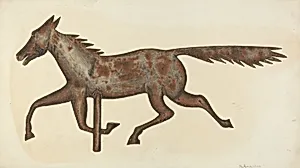
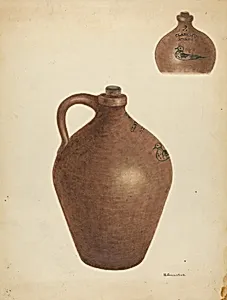
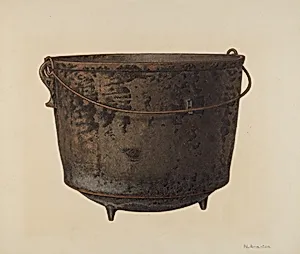
Among his major works are *Toaster* (c. 1940), *Crock* (1939 and c. 1938 variants), *Indian Weather Vane* (1935–1942), *Decanter* (1935/1942), *Apple Butter Pot* (1935–1942), *Shaving Mug* (c. 1941), *Chopping Knife* (multiple versions, c. 1941), and *Jug* (c. 1936 and c. 1941). These pieces, now housed primarily in the National Gallery of Art's collection of 104 works, exemplify his focus on functional beauty.
Amantea's legacy endures through his role in preserving a visual record of America's material culture at a time when such traditions risked fading. His IAD contributions informed mid-20th-century scholarship on folk art and design, influencing exhibitions like *Drawing on America's Past: Folk Art, Modernism, and the Index of American Design*. By rendering the ordinary with extraordinary fidelity, he bridged artistry and anthropology, ensuring that the vernacular objects of American life remain vividly accessible today.