Ctrl K
1740–1812
**Nicolas Lavreince (Niklas Lafrensen the Younger)**
Nicolas Lavreince, born Niklas Lafrensen on October 30, 1737, in Stockholm, Sweden, was the son of the esteemed miniature portrait painter Niklas Lafrensen the Elder and Magdalena Stuur. He received his initial training under his father, mastering the delicate techniques of miniature painting and gouache on ivory, paper, and parchment, which became hallmarks of his oeuvre. This familial apprenticeship immersed him in the Swedish courtly tradition of intimate portraiture, laying the foundation for his later innovations. In 1762, Lavreince traveled to Paris, where he spent seven formative years absorbing the effervescent French Rococo style, with its emphasis on graceful, lighthearted scenes of everyday gallantry and social intrigue.
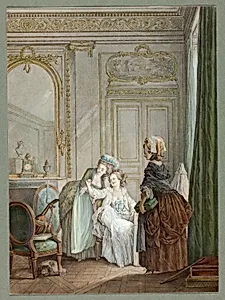
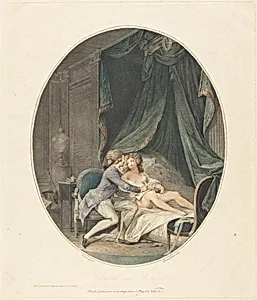
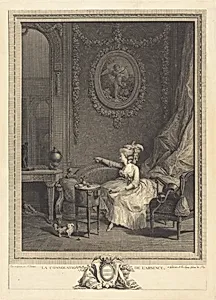
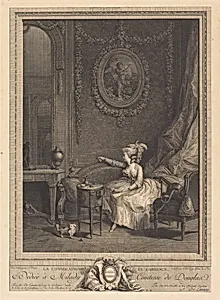
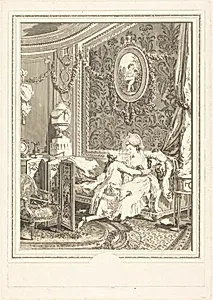
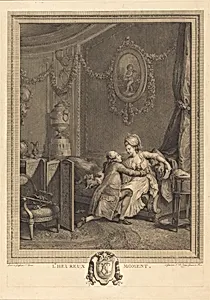
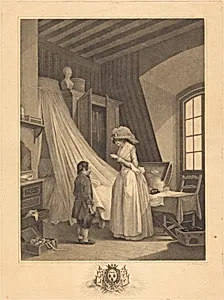
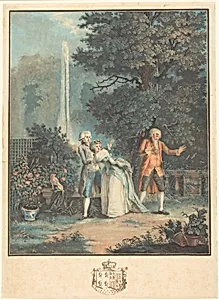
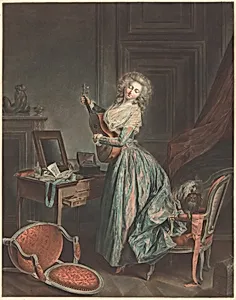
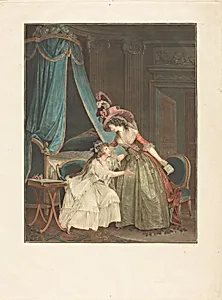
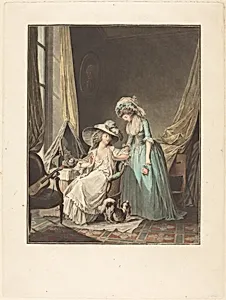
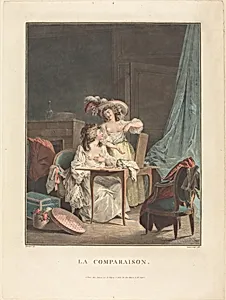
Returning briefly to Sweden, Lavreince was commissioned in 1770 by Crown Prince Gustav (later King Gustav III) to paint a dozen exquisite miniature portraits, earning him the title of Royal Court Miniature Painter and membership in the Royal Swedish Academy of Fine Arts. Disappointed by lack of further advancement, he relocated permanently to Paris in 1774, adopting the French moniker "Nicolas Lavreince" and thriving for 17 years amid the Ancien Régime's final flourish. There, he crafted piquant "cabinet pieces"—small-scale gouaches and watercolors depicting flirtatious encounters, musical soirées, and card games—realistic vignettes that captivated the public but irked academic purists favoring classical themes. Expelled during the French Revolution in 1791, he resettled in Stockholm, painting portraits of King Gustav III and Queen Sophia Magdalene around 1792 before his death on December 6, 1807.
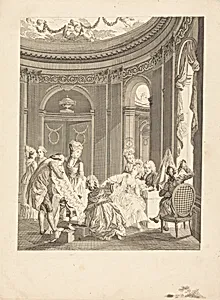
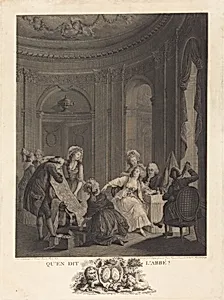
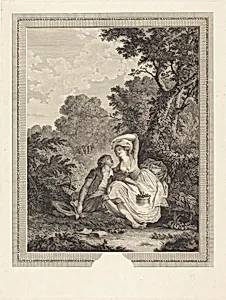
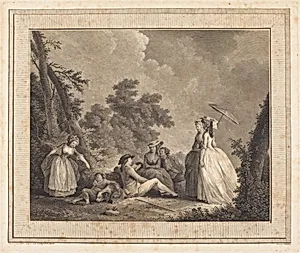
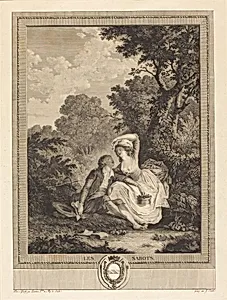
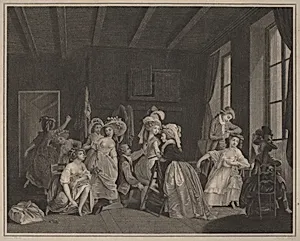
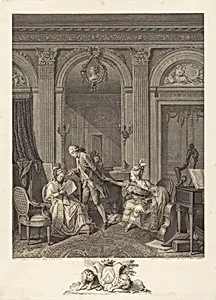
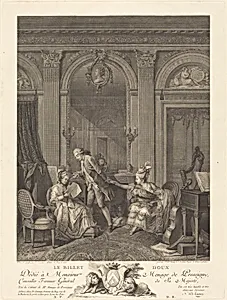
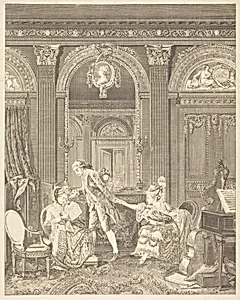
Lavreince's legacy endures through major works like *Three Ladies Who Make Music*, *Music Making Men and Women in Landscape*, and *Card Gaming Ladies* at Sweden's Nationalmuseum, alongside 50 miniatures and 13 gouaches there, and a dozen pieces at the Louvre. His designs inspired engravings by masters such as Nicolas Delaunay and Jean-François Janinet, disseminating his rococo genre scenes across Europe. Hailed as one of the preeminent miniaturists of the late eighteenth century, Lavreince bridged Swedish precision with French whimsy, capturing the era's fleeting pleasures in jewel-like precision.(312 words)