Ctrl K
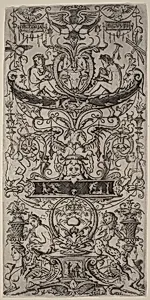
1500–1520
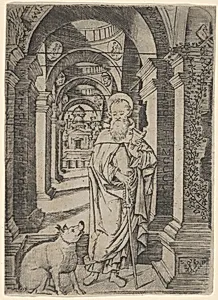
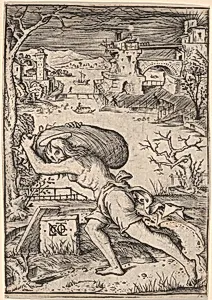
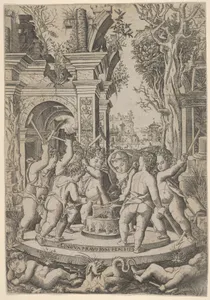
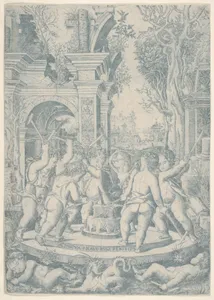
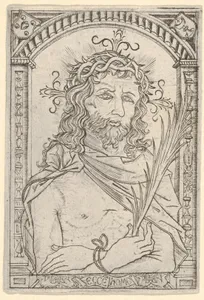
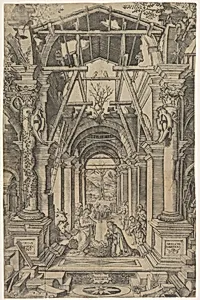
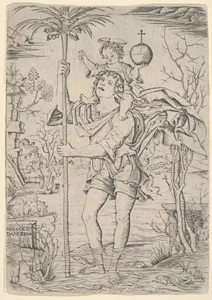
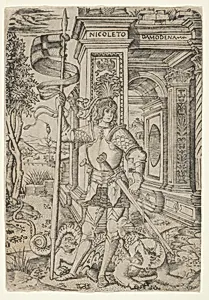
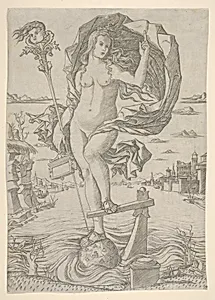
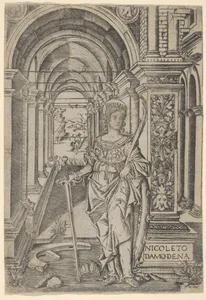
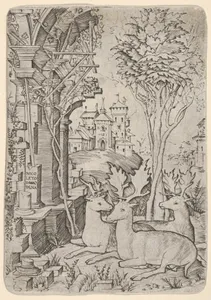
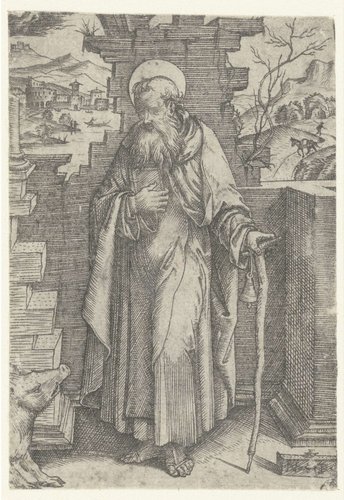
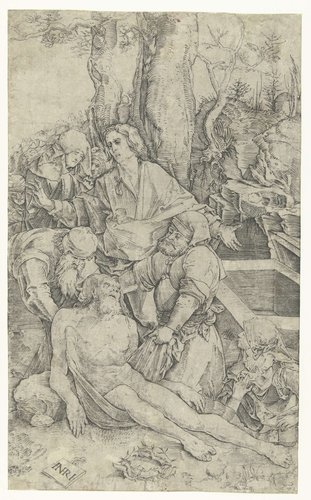
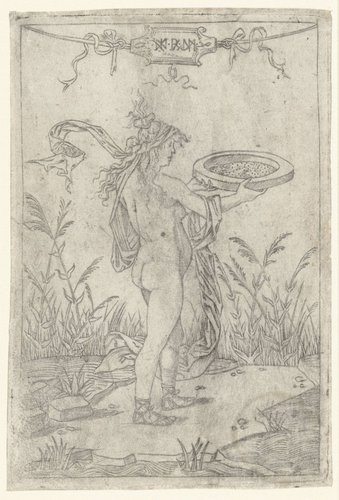
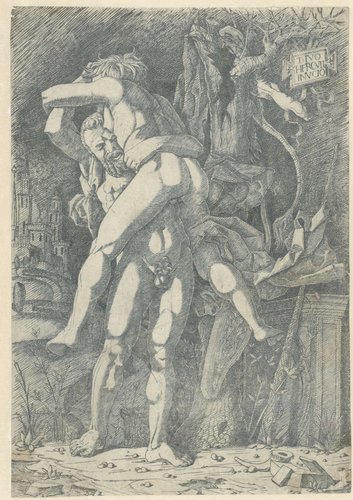
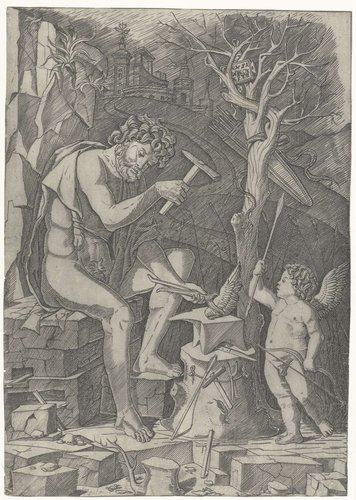
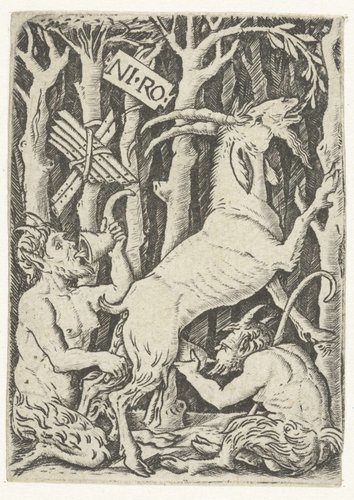
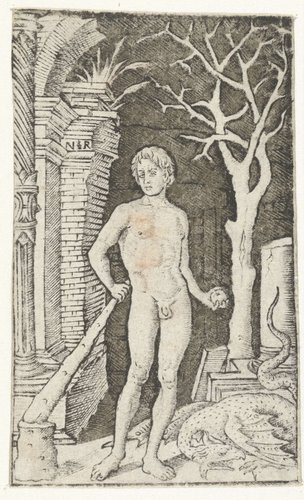
Nicoletto da Modena was an Italian engraver active in the late fifteenth and early sixteenth centuries, one of the most prolific and stylistically eclectic printmakers of the early Italian Renaissance. The details of his biography remain uncertain — his precise birth and death dates are unknown, and he is identified primarily through the body of prints that bear his name or monogram. He appears to have been active roughly between 1490 and 1520, working in northern Italy and possibly spending time in Rome, where he would have encountered the rich visual culture of papal patronage.
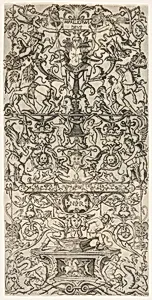
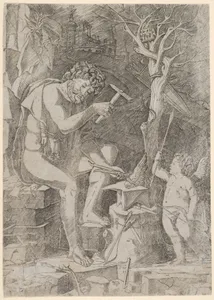
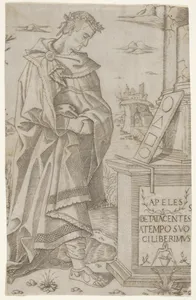
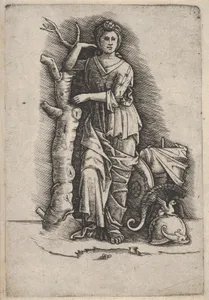
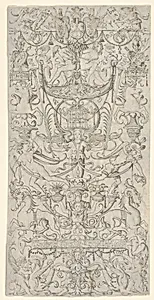
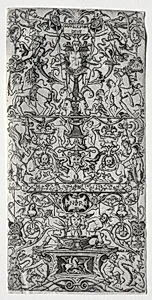
As an engraver, Nicoletto operated at a moment of tremendous energy and experimentation in Italian printmaking. His work reflects an avid absorption of multiple stylistic sources: he drew on the innovations of the Mantuan school associated with Andrea Mantegna and Giovanni Antonio da Brescia, responded to the decorative vocabulary of ancient Roman ornament, and assimilated motifs from German prints by artists such as Albrecht Dürer and Martin Schongauer. The resulting body of work is stylistically varied, ranging from mythological and religious subjects to ornamental designs featuring grotesques, trophies, and candelabra — decorative forms derived from the rediscovered Roman interiors known as grottoes.
Nicoletto's prints circulated widely across Europe and exerted considerable influence on the dissemination of Italian Renaissance ornamental and figurative vocabulary. His grotesque designs in particular were copied and adapted by craftsmen and artists working in a variety of media, spreading motifs from the Italian courts and ancient Rome into broader European decorative practice.
Despite the breadth and influence of his printed output, Nicoletto da Modena remains a somewhat shadowy figure in art-historical literature. Scholars have debated attributions within his oeuvre and sought to clarify his connections to other printmakers of the period. His work nonetheless represents a vital chapter in the story of how Renaissance visual ideas traveled across Europe through the medium of the printed image.