Ctrl K
1881–1965
Nina de Garis Davies, born Anna Macpherson Cummings on January 6, 1881, in Salonika, Greece, to English-Scottish parents Cecil J. Cummings and Sarah Macintosh Tannoch, showed early artistic talent as the eldest of three daughters. After her father's death in 1894, the family relocated to Scotland and then London, where she trained at the Slade School of Art. In 1906, at age 25, a holiday trip to Egypt introduced her to the ancient monuments and to Norman de Garis Davies, a fellow copyist sixteen years her senior; they married on October 8, 1907, in Hampstead, London, and immediately settled near Luxor's Theban Necropolis to join the Metropolitan Museum of Art's Egyptian Expedition.
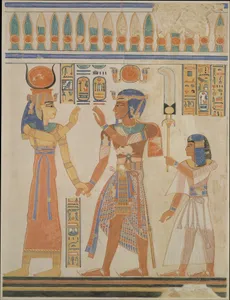
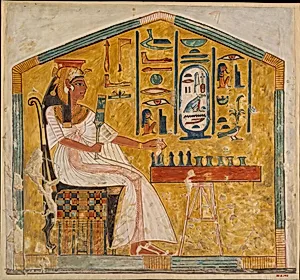
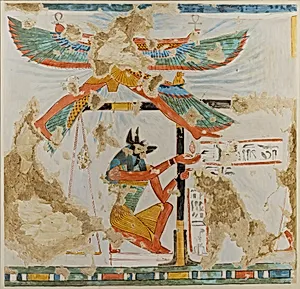
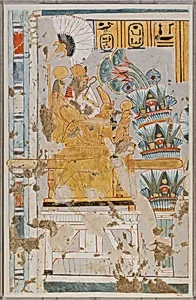
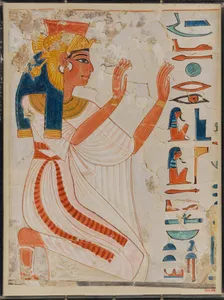
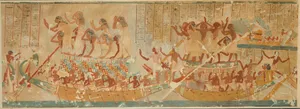
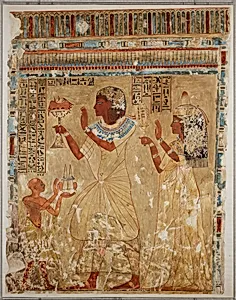
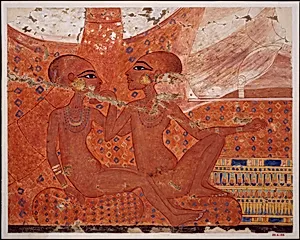
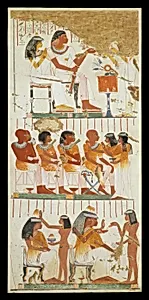
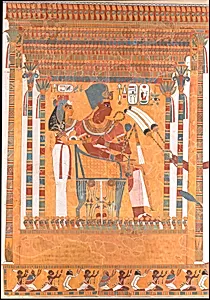
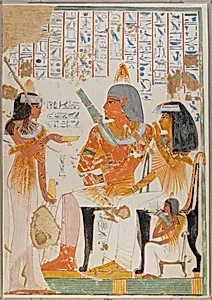
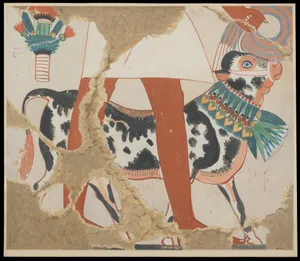
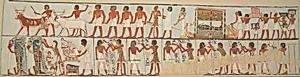
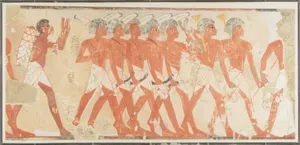
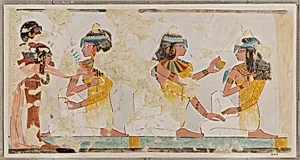
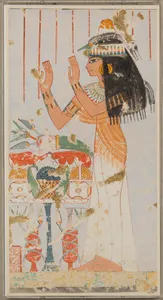
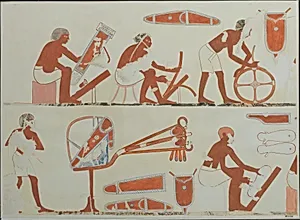
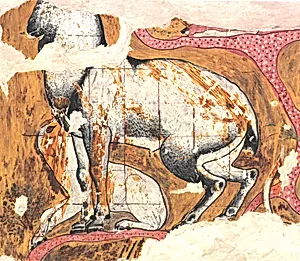
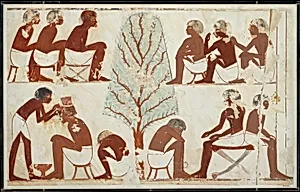
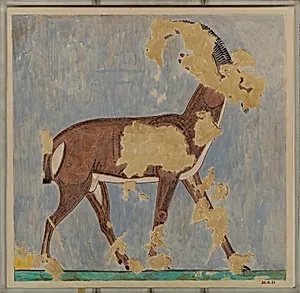
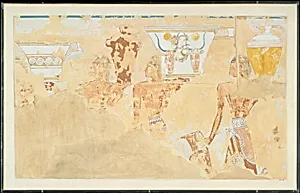
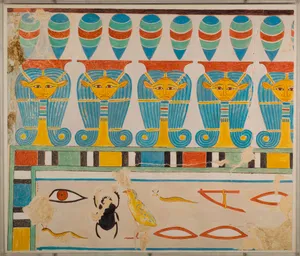
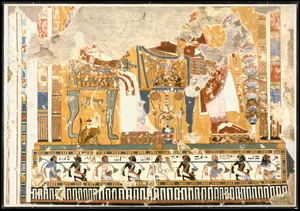
Davies quickly mastered egg tempera facsimiles, a technique using sunlight reflected by mirrors into tombs, pencil tracings transferred via graphite, and freehand painting in the exact sequence of ancient artists—background first, then flesh tones, overlays, outlines—to replicate brushstrokes, colors, and even damages with astonishing fidelity. Her first copies came from the Tomb of Djehuty (TT45, 1907–1908), followed by masterpieces like *Netting Birds* from the Tomb of Khnumhotep (Middle Kingdom, ca. 1897–1878 B.C.), *Sculptors at Work* and *Carpenter Making a Chair* from the Tomb of Rekhmire (TT100, New Kingdom, ca. 1479–1425 B.C.), *Queen Nefertari Playing Senet* from the Valley of the Queens (ca. 1279–1213 B.C., painted 1921–22), and scenes from the Tombs of Nakht, Nebamun and Ipuky, and Khnumhotep II. Often collaborating with her husband—publishing jointly as "N. de Garis Davies"—and scholars like Alan Gardiner, she documented over 350 Theban tombs, Deir el-Medina workshops, Amarna sites, and more for the Met, Egypt Exploration Society, and Oriental Institute.
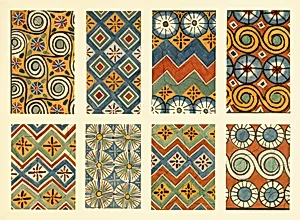
In publications like the five-volume *Theban Tombs Series* (1913–) and her landmark *Ancient Egyptian Paintings* (1936, with 104 plates spanning dynasties 4–20), Davies not only provided plates but analyzed techniques, pigments, and societal insights, later translated into French and German. Returning to England in 1939 amid unrest, she continued with a Tutankhamun box copy (1951) and *Scenes from Some Private Tombs* (1963) until her death on April 21, 1965, in Oxford. As the last great tomb copyist—superseded by photography—her 157+ Met holdings (many tombs now ruined) vividly preserve Egypt's vibrant daily life, flora, fauna, and artistry for scholars and visitors alike, ensuring ancient walls endure in tempera splendor.