Ctrl K
1881–1973
Pablo Picasso (1881–1973), born Pablo Diego José Francisco de Paula Juan Nepomuceno María de los Remedios Cipriano de la Santísima Trinidad Ruiz y Picasso in Málaga, Spain, was the son of José Ruiz Blasco, a painter and art professor who served as his first teacher. From age seven, Picasso trained under his father in figure drawing and oil painting, mastering naturalistic techniques by copying masters and plaster casts. The family relocated to A Coruña and then Barcelona, where he entered the La Llotja art academy in 1895 and briefly attended the Real Academia de Bellas Artes de San Fernando in Madrid in 1897, though he soon rejected formal academia for self-directed study at the Prado Museum.
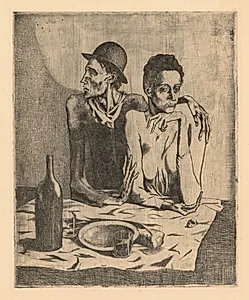
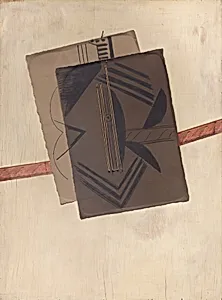
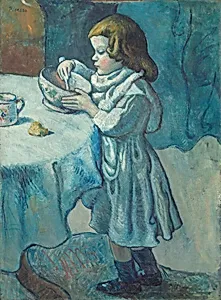
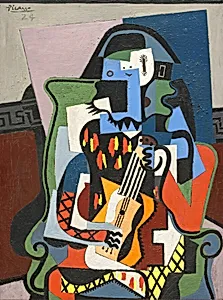
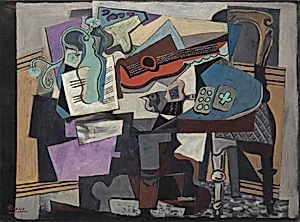
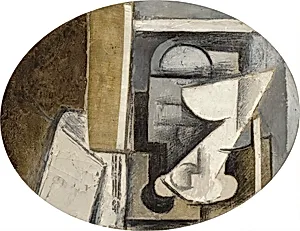
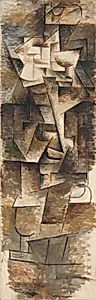
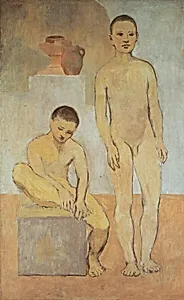
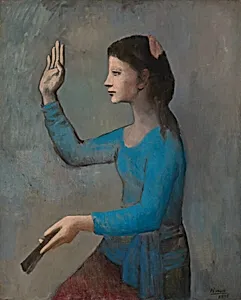
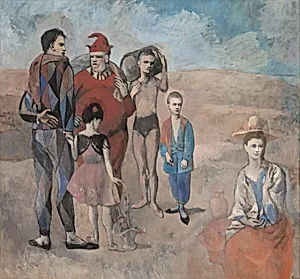
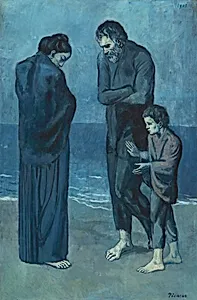
Picasso's career revolutionized modern art through distinct periods and innovations. He worked in the School of Paris tradition, co-founding Cubism with Georges Braque around 1907, pioneering Analytic Cubism (1909–1912) and Synthetic Cubism (1912–1919), which fragmented form and introduced collage and constructed sculpture. Earlier, his Blue Period (1901–1904) evoked melancholy in works like *The Old Guitarist* (1903–1904), followed by the warmer Rose Period, seen in *Family of Saltimbanques* (1905). Proto-Cubist breakthroughs included *Les Demoiselles d'Avignon* (1907), while later masterpieces like *Guernica* (1937)—a monumental anti-war mural—and *Three Musicians* (1921) showcased his evolving neoclassicism and Surrealist influences.
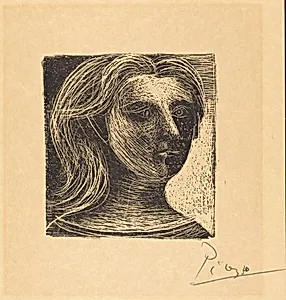
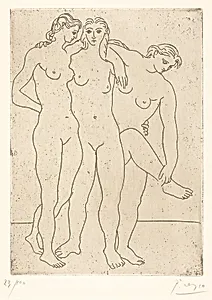
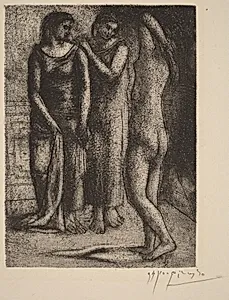
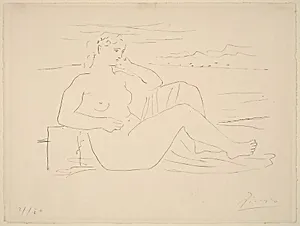
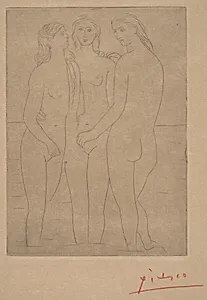
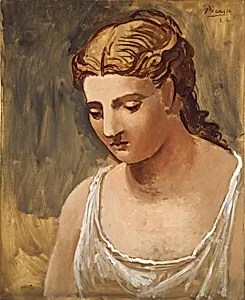
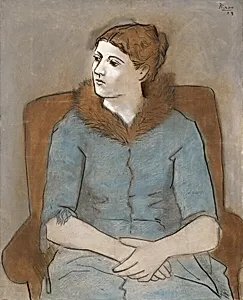
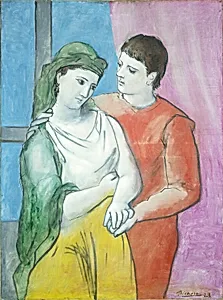
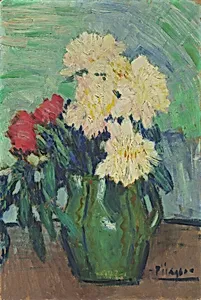
Picasso's prolific output exceeded 45,000 works, including paintings, sculptures, and ceramics, cementing his legacy as one of the 20th century's most influential artists. He amassed fame and fortune, with dedicated museums in Paris and Barcelona housing his oeuvre. The virtual museum's collection proudly features 274 of his works, from early academic pieces to Cubist icons, underscoring his enduring impact on form, perspective, and expression.
![Woman Sitting in a Garden [verso]](https://images.artheonmuseum.org/nga/thumb/woman-sitting-in-a-garden-verso-nga-91590.webp)