Ctrl K
1688–1751
Paul de Lamerie was born on April 9, 1688, in 's-Hertogenbosch in the Dutch Republic, the son of Paul Souchay de la Merie, a French Huguenot nobleman who had fled France following the revocation of the Edict of Nantes in 1685 and subsequently served as an officer under William III of Orange. The family settled in London by 1691, and young Paul grew up in a community of skilled Huguenot craftsmen who had brought with them from France some of the most refined decorative arts traditions in Europe. In August 1703, de Lamerie was apprenticed to Pierre Platel, a distinguished London goldsmith of Huguenot descent, under whom he learned the full craft of the silversmith. He established his own independent workshop in 1713 and registered his maker's mark.
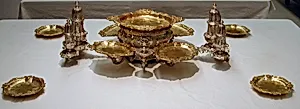
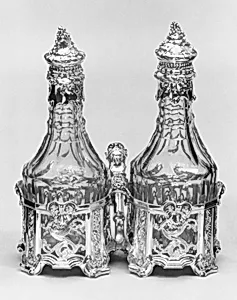
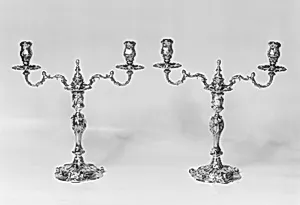
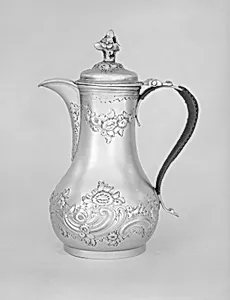
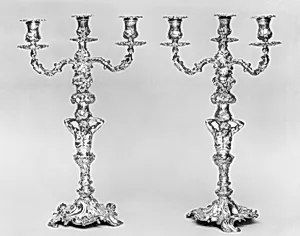
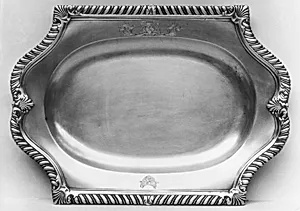
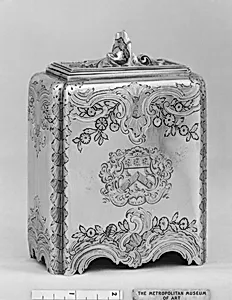
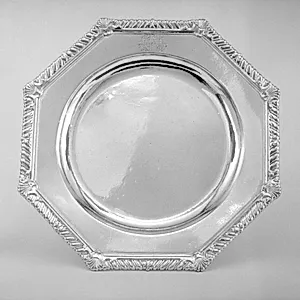
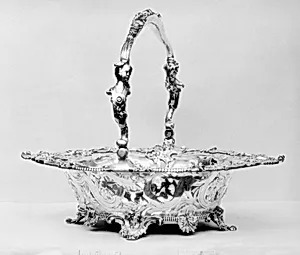
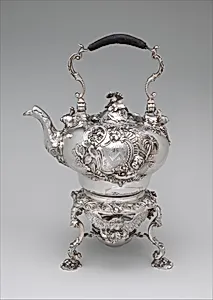
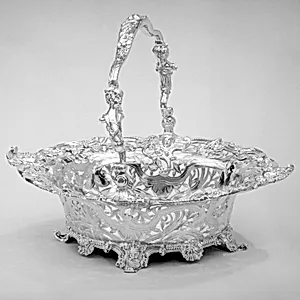
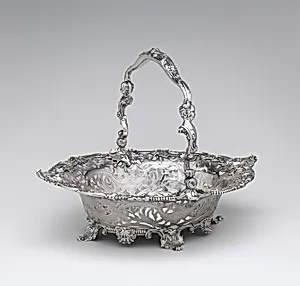
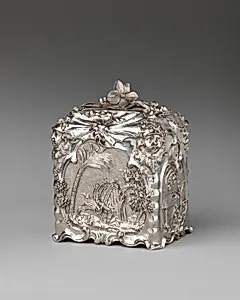
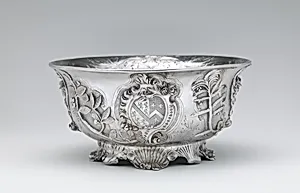
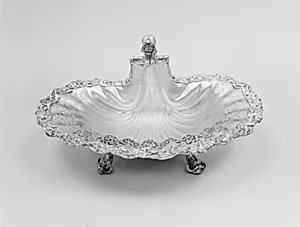
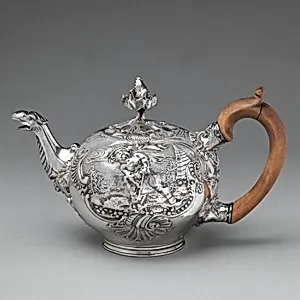
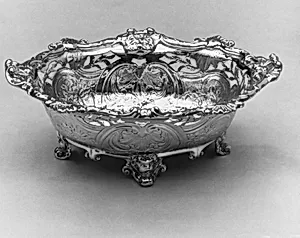
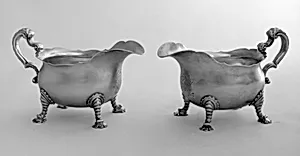
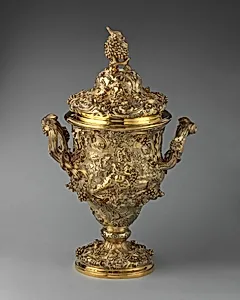
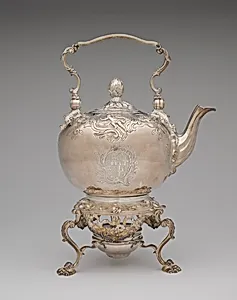
De Lamerie's rise was swift. In 1716 he was appointed goldsmith to King George I, and by 1717 he was referred to as the "King's silversmith." His early output worked in the restrained Queen Anne idiom favored by English taste — clean lines, minimal ornament, functional elegance. But from the 1730s onward, he increasingly embraced the Rococo, developing a richly theatrical style of chased and cast silver: handles writhing with sea creatures, surfaces encrusted with shells, foliage, and allegorical figures. The Victoria and Albert Museum has described him as the greatest silversmith working in England in the eighteenth century.
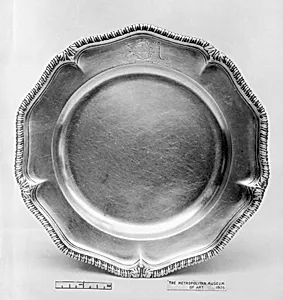
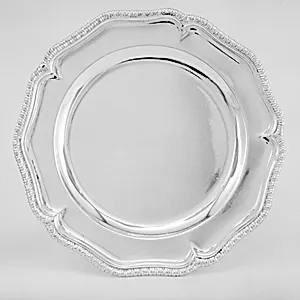
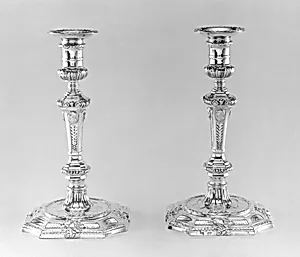
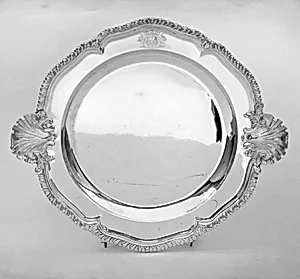
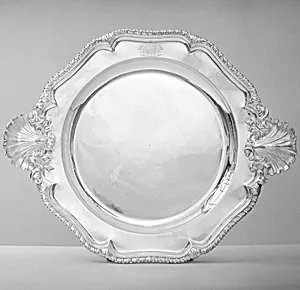
His clientele was among the most distinguished in Europe, ranging from British nobility including Sir Robert Walpole to Russian imperial patrons. He worked on elaborate presentation pieces, wine cisterns, covered cups, candelabra, and domestic wares, often pushing silver into forms of sculptural extravagance that stretched the material to its limits. He died in London on August 1, 1751. His works are held in major museum collections worldwide and continue to set records at auction, recognized as the supreme expression of English Rococo silver.